


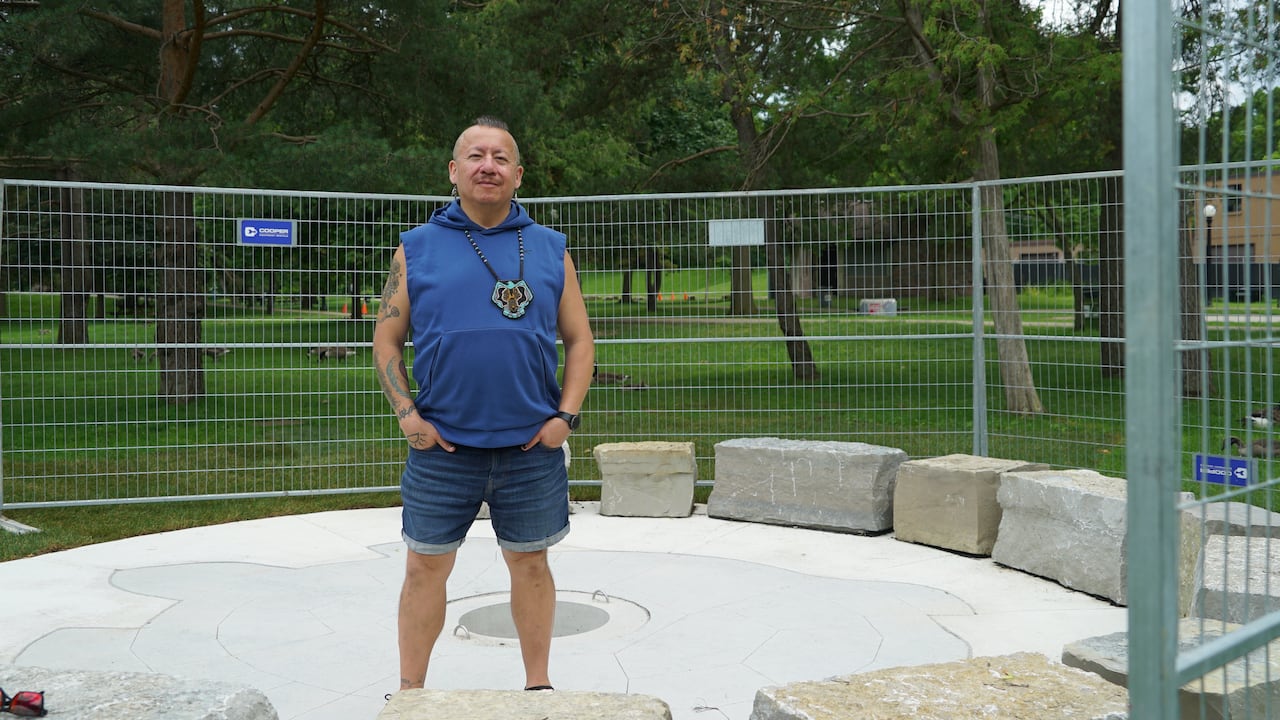
The City of Kitchener has officially dedicated a new Indigenous ceremonial fire space, marking a significant step toward reconciliation and cultural recognition in the Waterloo Region. This permanent sacred space provides Indigenous communities with a dedicated location to practice traditional ceremonies, gather in community, and preserve cultural heritage for future generations.
The dedication ceremony represents years of collaboration between municipal leaders and Indigenous stakeholders, highlighting the growing commitment across Canadian cities to honor First Nations, Métis, and Inuit traditions. As communities nationwide work toward meaningful reconciliation, this Indigenous ceremonial fire space stands as a tangible symbol of respect and partnership.
A Sacred Space for Traditional Practices
Understanding the Significance of Ceremonial Fires
Ceremonial fires hold profound spiritual importance in Indigenous cultures across Turtle Island. These sacred fires serve as central gathering points for prayer, healing ceremonies, and community celebrations that have sustained Indigenous peoples for thousands of years.
The newly dedicated space in Kitchener provides Indigenous community members with a permanent location to conduct these vital cultural practices. Unlike temporary arrangements, this dedicated area ensures that sacred traditions can continue without interruption or displacement.
Elders and knowledge keepers emphasize that ceremonial fires connect participants to ancestors, the land, and spiritual teachings. The smoke carries prayers upward, while the fire itself represents life, renewal, and the enduring strength of Indigenous nations.
Community Collaboration Drives the Project
Building Partnerships for Reconciliation
The creation of this ceremonial fire space emerged from extensive consultation between the City of Kitchener and local Indigenous organizations. This collaborative approach ensured that the space authentically reflects Indigenous needs and cultural protocols.
Municipal officials worked closely with Indigenous advisors to select an appropriate location and design elements that honor traditional practices. The partnership model demonstrates how meaningful reconciliation requires ongoing dialogue rather than token gestures.
Community leaders have praised the city’s commitment to listening and learning throughout the planning process. This approach aligns with the Truth and Reconciliation Commission’s Calls to Action, which urge all levels of government to support Indigenous cultural revitalization.
Indigenous Voices Lead the Way
Local Indigenous community members played central roles in shaping every aspect of the ceremonial space. From site selection to dedication protocols, Indigenous knowledge guided decision-making at each stage.
This Indigenous-led approach ensures cultural authenticity and demonstrates respect for traditional governance structures. Many communities across Canada now recognize that reconciliation efforts must center Indigenous voices rather than impose external solutions.
The Broader Context of Urban Indigenous Spaces
Growing Recognition Across Canadian Cities
Kitchener joins a growing number of Canadian municipalities creating dedicated spaces for Indigenous cultural practices. Cities including Toronto, Vancouver, and Edmonton have established similar gathering places in recent years.
These urban Indigenous spaces address a critical need, as significant Indigenous populations now reside in cities rather than on reserves. Urban Indigenous residents often face barriers accessing traditional practices, making dedicated ceremonial spaces essential for cultural continuity.
The development of these spaces also benefits non-Indigenous residents by providing opportunities for cultural education and bridge-building between communities. Many ceremonial spaces host public events that welcome all community members to learn about Indigenous traditions.
Supporting Indigenous Well-being
Research consistently demonstrates connections between cultural practice and Indigenous community well-being. Access to traditional ceremonies supports mental health, strengthens community bonds, and reinforces cultural identity.
The Kitchener ceremonial fire space contributes to these positive outcomes by removing barriers to cultural participation. Indigenous families can now gather locally for ceremonies that previously required travel to distant locations.
Reconciliation in Action
Moving Beyond Symbolic Gestures
While land acknowledgments and symbolic gestures have become common across Canadian institutions, the dedication of physical spaces represents a more substantive commitment to reconciliation. This ceremonial fire space provides tangible resources that directly benefit Indigenous communities.
The investment demonstrates that reconciliation requires action, not just words. Municipal leaders who prioritize Indigenous cultural spaces signal genuine commitment to addressing historical wrongs and building better relationships.
Community advocates note that such investments must continue alongside other reconciliation measures, including addressing housing, education, and economic disparities affecting Indigenous peoples.
A Model for Other Communities
The collaborative process that created Kitchener’s ceremonial fire space offers lessons for municipalities elsewhere. Key elements of success include:
- Early and ongoing Indigenous consultation
- Respect for traditional protocols and knowledge
- Long-term commitment to space maintenance
- Integration with broader reconciliation strategies
Other communities seeking to establish similar spaces can learn from Kitchener’s partnership model. Success requires patience, humility, and genuine willingness to follow Indigenous leadership.
Looking to the Future
Sustaining the Space for Generations
The dedication ceremony marks a beginning rather than an endpoint. Maintaining the ceremonial fire space requires ongoing municipal commitment and continued partnership with Indigenous communities.
Plans include regular programming, elder-led teachings, and community gatherings that will activate the space throughout the year. These activities ensure the space remains vibrant and relevant to Indigenous community members.
Youth involvement remains a particular priority, as ceremonial spaces provide crucial opportunities for intergenerational knowledge transfer. Young Indigenous people can learn traditional practices directly from elders in a setting specifically designed for this purpose.
The dedication of Kitchener’s Indigenous ceremonial fire space represents meaningful progress toward reconciliation in the Waterloo Region. This permanent sacred space provides Indigenous communities with essential resources for cultural practice while demonstrating municipal commitment to partnership and respect.
As Canadian communities continue working toward reconciliation, the Kitchener model offers valuable lessons about collaboration, Indigenous leadership, and tangible action.
