


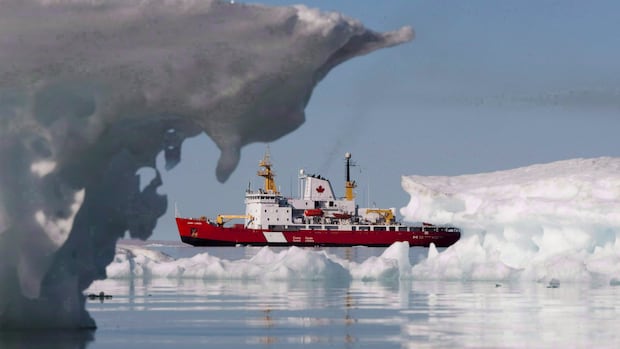
The Canadian Coast Guard is receiving a major funding injection of $816 million to strengthen Arctic security and protect southern waters from emerging threats. This significant investment signals Ottawa’s growing concern over foreign adversaries operating in Canadian waters and the increasingly strategic importance of the Arctic region.
The announcement, made by Fisheries Minister David McGuinty, represents one of the largest single investments in Canadian Coast Guard Arctic security in recent years. The funding will modernize surveillance capabilities, deploy cutting-edge drone technology, and establish new radar systems across Canada’s vast northern coastline.
New Drones and Radar Systems to Monitor Arctic Waters
A substantial portion of the funding will go toward acquiring medium-altitude, long-endurance drones capable of monitoring Canada’s expansive Arctic territory. These unmanned aerial vehicles will provide persistent surveillance over remote regions that have historically been difficult to patrol.
The investment also includes new high-frequency radar installations along the Arctic coastline. These systems will detect vessel movements in real-time, giving Canadian authorities unprecedented awareness of maritime activity in northern waters.
Minister McGuinty emphasized that Canada must adapt to a changing security landscape. Foreign vessels, including those from Russia and China, have increased their presence in Arctic waters as climate change opens new shipping routes.
Addressing Threats in Southern Waters
While Arctic security dominates the headlines, the funding package also addresses vulnerabilities in Canada’s southern maritime zones. The Great Lakes and St. Lawrence Seaway will receive enhanced monitoring capabilities to counter illegal fishing, smuggling, and potential hostile reconnaissance.
Coast Guard officials have noted an uptick in suspicious vessel activity near critical infrastructure, including ports and underwater cables. The new funding will allow for rapid response capabilities and improved coordination with allied nations.
The investment aligns with broader NORAD modernization efforts and reflects growing North American concern about maritime domain awareness. Canada’s vast coastline—the longest in the world—presents unique challenges that require technological solutions.
Climate Change Opens New Arctic Shipping Routes
The urgency behind this investment stems partly from rapidly changing Arctic conditions. Melting sea ice has made previously impassable waters navigable for longer periods each year, attracting commercial shipping interests and military vessels alike.
The Northwest Passage, once a frozen barrier, now sees increased traffic during summer months. While this creates economic opportunities, it also raises sovereignty concerns and environmental risks.
Canada has long maintained that the Northwest Passage constitutes internal waters, a position disputed by the United States and other nations. Enhanced Coast Guard presence strengthens Canada’s claim through effective occupation and monitoring.
Scientists predict that by 2050, the Arctic could experience ice-free summers regularly. This timeline underscores the need for immediate infrastructure investment rather than reactive measures.
Modernizing an Aging Fleet
The Canadian Coast Guard has struggled with aging vessels and outdated equipment for years. This funding represents a shift toward technological modernization rather than simply replacing old ships with new ones.
Drones offer significant advantages over traditional patrol vessels. They can cover vast distances quickly, operate in harsh conditions, and provide continuous surveillance without crew fatigue concerns. The cost per operational hour is also substantially lower than manned aircraft.
However, the investment does not neglect physical assets. A portion of the funding will support vessel maintenance and crew training to ensure existing ships remain operational while new technologies come online.
Coast Guard personnel will receive specialized training in drone operations, data analysis, and integrated surveillance systems. This human capital investment ensures the technology delivers maximum value.
International Cooperation and NATO Alignment
Canada’s Arctic investment aligns with broader NATO priorities in the High North. Alliance members have expressed increasing concern about Russian military activity in Arctic regions and Chinese interest in polar resources.
The funding announcement comes as Canada faces pressure from allies to contribute more to collective security. Enhanced Coast Guard capabilities demonstrate tangible commitment to North American and Arctic defence.
Joint exercises with United States Coast Guard and Nordic partners will test new surveillance systems and establish interoperability protocols. Information sharing agreements will allow allies to benefit from Canada’s expanded Arctic awareness.
Indigenous Communities and Northern Partnerships
The investment includes provisions for collaboration with Indigenous communities in the Arctic. Northern residents possess invaluable knowledge of local conditions and have long served as Canada’s eyes and ears in remote regions.
Funding will support communication infrastructure improvements in northern communities, enabling faster reporting of unusual activity. Training programs will also prepare local residents for employment in expanded Coast Guard operations.
Indigenous leaders have welcomed the investment while emphasizing that security measures must respect traditional land use and environmental protection. The government has committed to meaningful consultation throughout implementation.
What This Means for Canadian Sovereignty
This $816 million investment sends a clear message about Canadian intentions in the Arctic. As great power competition intensifies and climate change reshapes the geopolitical landscape, Canada is positioning itself to defend its sovereignty effectively.
The combination of drone surveillance, radar systems, and enhanced Coast Guard capabilities creates a layered defence network. While challenges remain—particularly regarding the sheer scale of territory involved—this funding represents meaningful progress.
Canadians should monitor how quickly these new capabilities become operational and whether additional investments follow. Arctic security will likely remain a priority for successive governments as northern waters grow increasingly contested.
