


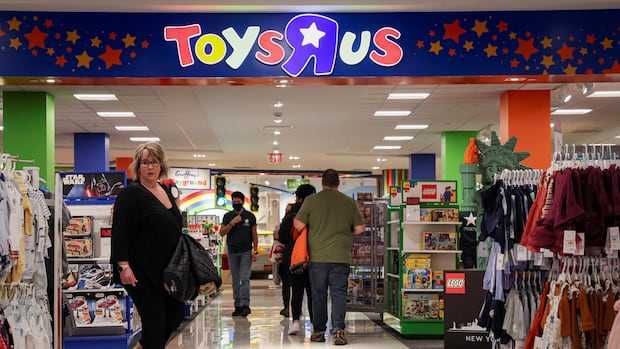
The beloved toy retailer’s Canadian chapter enters a new era as courts greenlight a landmark deal that will divide the struggling chain among three separate purchasers.
A Canadian court has officially approved the Toys R Us Canada sale, marking the end of an era for the iconic toy store chain and the beginning of an uncertain future under fragmented ownership. The decision, handed down this week, allows three distinct buyers to acquire different portions of the retailer’s assets, effectively dismantling what was once a unified retail giant in the Canadian toy market.
Court Ruling Finalizes Historic Retail Breakup
The Ontario Superior Court of Justice granted approval for the transaction, which will see Toys R Us Canada divided among three purchasers. This court-supervised sale process emerged after the company faced mounting financial pressures that ultimately forced it into insolvency proceedings.
The restructuring deal represents one of the most significant retail breakups in recent Canadian history. Industry analysts note that the fragmented approach to the sale reflects the challenging conditions facing brick-and-mortar toy retailers in an increasingly digital marketplace.
The approval follows months of negotiations and due diligence by potential buyers. Creditors and stakeholders had the opportunity to review the proposed transactions before the court made its final determination.
Who Are the Three Buyers Taking Over?
The Toys R Us acquisition involves three separate entities, each acquiring distinct components of the retailer’s Canadian operations. While the specific terms of each deal vary, the combined transactions aim to preserve as much of the business as possible while satisfying creditor claims.
Each buyer brings different strategic interests to their respective portions of the toy retail business. Some focus on the real estate value of store locations, while others see potential in the brand’s remaining customer goodwill and inventory.
The division of assets includes:
- Store locations across multiple provinces
- Remaining inventory and merchandise
- Intellectual property and licensing rights
- Distribution and logistics infrastructure
This multi-buyer approach differs significantly from traditional retail acquisitions, where a single purchaser typically assumes control of an entire operation.
Impact on Canadian Toy Retail Market
The Toys R Us bankruptcy and subsequent sale sends ripples throughout the Canadian retail landscape. Competitors and industry observers are closely watching how the transition affects market dynamics and consumer shopping patterns.
Canadian families have relied on Toys R Us stores for decades, creating deep emotional connections with the brand. The company’s struggles mirror broader challenges facing specialty retailers competing against e-commerce giants and big-box stores with extensive toy sections.
Market experts suggest the fragmented ownership could lead to several outcomes:
- Store closures in underperforming locations
- Rebranding efforts by new owners
- Inventory liquidation sales during the transition
- Job losses for retail employees across Canada
The toy retail sector has experienced significant consolidation in recent years, with fewer dedicated toy stores surviving the shift toward online shopping and changing consumer preferences.
What This Means for Employees and Customers
Thousands of Toys R Us Canada employees face uncertainty as the ownership transition unfolds. The court-approved sale includes provisions addressing employee claims, though the extent of job preservation remains unclear under the new ownership structure.
Customers holding gift cards, loyalty points, or pending orders should monitor official communications regarding how the transition affects their accounts. Previous retail insolvencies have sometimes left consumers with unredeemed store credits.
The new owners will determine which locations continue operating and under what branding. Some stores may remain open during the transition, while others could close permanently as buyers assess their newly acquired assets.
The Rise and Fall of a Toy Empire
Toys R Us once dominated the North American toy market, serving as the destination for holiday shopping and birthday gifts for generations of children. The company’s Canadian operations maintained relative stability even as the U.S. parent company faced its own bankruptcy proceedings years earlier.
However, the retail industry downturn eventually caught up with the Canadian division. Factors contributing to the company’s decline included:
- Increased competition from Amazon and Walmart
- Changing consumer habits favoring online shopping
- High operating costs for large-format retail stores
- Shifting toy industry trends toward digital entertainment
The brand’s nostalgic value couldn’t overcome these structural challenges, leading to the insolvency proceedings that culminated in this week’s court approval.
Looking Ahead: The Future of Toy Retail in Canada
The Toys R Us Canada sale raises broader questions about the viability of dedicated toy retailers in the modern marketplace. Industry analysts debate whether the specialty toy store model can survive long-term against diversified competitors.
Some observers see opportunity in the transition. New ownership could bring fresh perspectives, updated retail strategies, and potentially more sustainable business models. Others remain skeptical that any configuration can revive the struggling toy retail format.
The three buyers now face the challenge of extracting value from their respective acquisitions while navigating a difficult retail environment. Their success or failure will provide important lessons for the broader Canadian retail sector.
Key Takeaways from the Toys R Us Canada Sale
The court-approved breakup of Toys R Us Canada marks a significant moment for Canadian retail. Consumers, employees, and industry watchers should stay informed as the transition progresses over the coming months. Those with connections to the retailer—whether as customers, workers, or creditors—should seek official updates through court filings and company announcements.
