


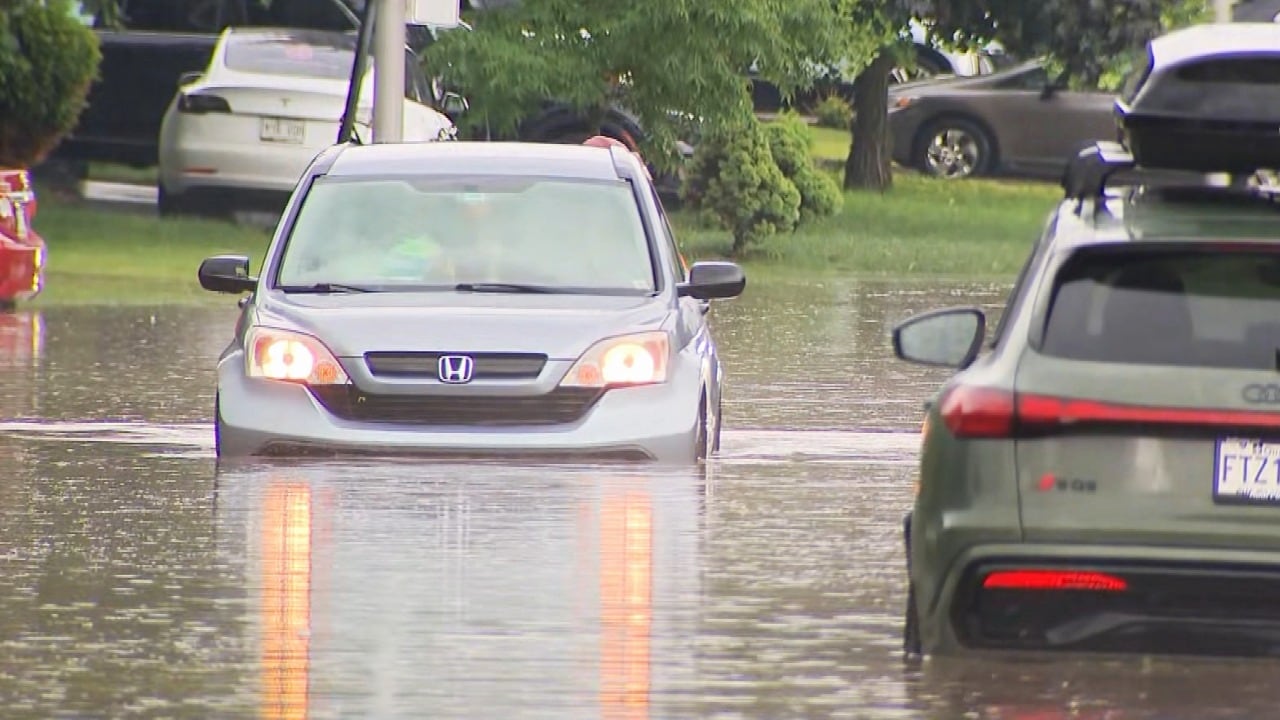
After enduring yet another devastating round of flooding, West Island municipalities are shifting their focus toward West Island flooding solutions that address the root causes of recurring water damage. Recent storms have once again left residents scrambling to protect their properties, prompting local leaders to explore comprehensive, long-term strategies rather than temporary fixes.
The repeated flooding events across Montreal’s West Island have exposed critical vulnerabilities in existing infrastructure and emergency response systems. Municipal officials now recognize that reactive measures alone cannot protect communities from increasingly unpredictable weather patterns and rising water levels.
Understanding the West Island Flooding Crisis
Geographic Vulnerabilities
The West Island region faces unique geographic challenges that make it particularly susceptible to flooding. Located along the shores of Lac Saint-Louis and the Rivière des Prairies, communities like Sainte-Anne-de-Bellevue, Pierrefonds-Roxboro, and Île-Bizard have historically dealt with spring floods and storm surges.
Low-lying terrain combined with aging drainage infrastructure creates a perfect storm for water accumulation during heavy precipitation events. Climate change has intensified these challenges, bringing more frequent and severe weather systems to the region.
Many residential areas developed decades ago without adequate consideration for flood mitigation. As a result, homeowners now face repeated property damage and escalating insurance costs.
Recent Flooding Events
The latest flooding incidents have caused significant damage to homes, businesses, and public infrastructure throughout the West Island. Basements have filled with water, roads have become impassable, and emergency services have worked around the clock to assist affected residents.
Local officials report that some areas experienced flooding for the third or fourth time in recent years. This pattern has pushed municipalities to acknowledge that traditional sandbag deployments and temporary pumping stations simply cannot provide adequate protection.
Municipal Response and Planning Initiatives
Collaborative Approach Among Communities
West Island municipalities have begun coordinating their efforts to develop regional flood management strategies. This collaborative approach recognizes that water does not respect municipal boundaries and that effective solutions require unified action.
Representatives from multiple communities have met to discuss shared challenges and potential joint investments in infrastructure improvements. These discussions have included representatives from the City of Montreal, which oversees many West Island boroughs.
Local officials have emphasized during recent public meetings that working together is essential because water flows through all communities. The intermunicipal cooperation marks a significant shift from previous approaches where each community addressed flooding independently.
Infrastructure Upgrades Under Consideration
Several major infrastructure projects have emerged as priorities in the long-term planning process. Municipal leaders are examining options including:
- Upgraded stormwater management systems with increased capacity
- Green infrastructure installations such as retention ponds and permeable surfaces
- Improved pumping station networks with backup power systems
- Enhanced monitoring and early warning systems
- Strategic land acquisition in flood-prone areas
These projects require substantial financial investment, and municipalities are actively seeking funding from provincial and federal governments. The costs of repeated emergency responses and property damage have helped build the case for preventative spending.
Long-Term Solutions Being Explored
Natural Infrastructure and Green Solutions
Environmental experts have recommended incorporating nature-based flood mitigation strategies into municipal planning. These approaches work with natural water systems rather than against them, often proving more cost-effective and sustainable than traditional engineering solutions.
Wetland restoration projects can absorb significant quantities of stormwater while providing wildlife habitat and recreational opportunities. Several West Island communities have identified potential wetland areas that could serve as natural flood buffers.
Rain gardens, bioswales, and permeable pavement represent smaller-scale interventions that municipalities can implement throughout residential and commercial areas. These features reduce runoff volume and slow water flow during heavy precipitation events.
Updated Building Codes and Land Use Planning
Municipal planners are reviewing building codes and zoning regulations to prevent future development in high-risk flood zones. New construction may face stricter requirements for flood-proofing measures, elevated foundations, and drainage systems.
Some communities are considering buyout programs for properties located in areas where flooding cannot be reasonably prevented. While expensive upfront, these programs can reduce long-term costs associated with repeated emergency responses and infrastructure repairs.
Land use planning updates may also restrict certain types of development near waterways and in low-lying areas. These regulations aim to prevent the creation of new flood vulnerabilities as the region continues to grow.
Financial Considerations and Funding Sources
Cost of Inaction vs. Investment
Municipal budget analyses have begun quantifying the true cost of repeated flooding versus the investment required for permanent solutions. These calculations include direct expenses like emergency response, cleanup, and infrastructure repairs, as well as indirect costs such as property value declines and resident displacement.
Early estimates suggest that comprehensive flood mitigation infrastructure could pay for itself within 10 to 15 years through avoided damage costs. However, the upfront capital requirements remain significant challenges for municipal budgets.
Provincial and Federal Support
Quebec’s provincial government has indicated willingness to support municipal flood mitigation efforts through various funding programs. Federal infrastructure grants may also be available for projects that address climate adaptation and disaster resilience.
Municipalities are preparing detailed project proposals to maximize their chances of securing external funding. These applications must demonstrate clear cost-benefit analyses and alignment with provincial and federal priorities.
Community Engagement and Resident Concerns
Public Input in Planning Process
West Island residents have expressed strong opinions about flooding solutions during public consultations. Many homeowners support aggressive action to prevent future flooding, even if it requires increased taxes or special levies.
Community meetings have provided forums for residents to share their experiences and suggest potential solutions. This input helps ensure that municipal plans address real concerns and incorporate local knowledge about water patterns and problem areas.
Individual Property Protection
While municipalities work on large-scale solutions, residents must continue protecting their own properties. Experts recommend measures such as sump pumps with battery backup, foundation waterproofing, and proper grading away from buildings.
