


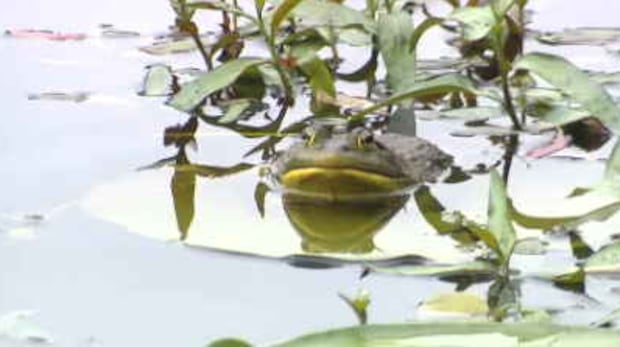
Invasive American bullfrogs in Stanley Park pose a growing threat to native wildlife, yet authorities have no concrete plan to manage their expanding population. Conservation experts warn that without intervention, these voracious predators could devastate local ecosystems already struggling with urban pressures.
The discovery of established bullfrog populations in Vancouver’s iconic urban park has sparked concern among biologists and environmental advocates. Despite years of documented presence, neither the Vancouver Park Board nor provincial agencies have implemented a coordinated eradication strategy.
The Growing Threat of American Bullfrogs
Why These Amphibians Are Dangerous
American bullfrogs (Lithobates catesbeianus) rank among the world’s most destructive invasive species. Native to eastern North America, these large amphibians have spread across British Columbia since their introduction in the early 1900s.
Their impact on native ecosystems proves devastating. Bullfrogs consume virtually anything they can swallow, including native frogs, salamanders, snakes, fish, birds, and even small mammals. A single adult bullfrog can eat dozens of native red-legged frogs in one season.
Female bullfrogs lay up to 20,000 eggs annually, allowing populations to explode rapidly. Their tadpoles also outcompete native amphibian larvae for food and space in shared wetland habitats.
Stanley Park’s Vulnerable Ecosystem
Stanley Park’s wetlands provide critical habitat for several species at risk. The park’s Beaver Lake and surrounding marshes support populations of native Pacific tree frogs, northwestern salamanders, and the threatened northern red-legged frog.
Researchers have confirmed bullfrog presence in multiple water bodies throughout the park. These populations likely established themselves through deliberate releases or escapes from the pet trade decades ago.
The confined nature of Stanley Park’s wetland habitats makes native species particularly vulnerable. Unlike larger wilderness areas, urban park wildlife cannot easily relocate to escape invasive predators.
Absence of Management Strategy
Park Board Response
The Vancouver Park Board acknowledges the bullfrog problem but has not committed resources to address it. Officials cite competing priorities and limited budgets as primary obstacles to implementing control measures.
Current management consists primarily of monitoring and documentation. Park staff occasionally remove individual bullfrogs encountered during routine maintenance, but no systematic eradication program exists.
Environmental groups have criticized this passive approach. They argue that delay allows populations to grow, making future control efforts more difficult and expensive.
Provincial Jurisdiction Questions
Responsibility for invasive species management in British Columbia involves multiple agencies, creating jurisdictional confusion. The provincial government maintains authority over wildlife management, while municipal parks fall under local control.
This divided responsibility has resulted in bureaucratic inaction. Neither level of government has taken ownership of the Stanley Park bullfrog issue, leaving populations to expand unchecked.
The BC Ministry of Environment lists American bullfrogs as a Schedule C controlled alien species, making their release illegal. However, enforcement remains minimal, and no provincial funding supports urban bullfrog control.
Successful Eradication Models Exist
Vancouver Island Programs
Other regions have demonstrated that bullfrog control works when properly resourced. Vancouver Island communities have invested significantly in removal programs over the past decade.
The Bullfrog Control Program operated by conservation groups has removed thousands of bullfrogs from sensitive wetlands. Teams use spotlighting surveys, trapping, and targeted removal during breeding season when adults congregate at ponds.
These efforts have measurably reduced bullfrog populations in treated areas. Native amphibian numbers have rebounded in some locations following sustained removal work.
What Effective Control Requires
Successful bullfrog management requires consistent, multi-year effort. Single removal events prove ineffective because surviving individuals quickly repopulate areas.
Effective programs combine several approaches: adult removal during breeding season, egg mass destruction, tadpole netting, and habitat modification. Community involvement and public education also play crucial roles.
Experts estimate meaningful control in Stanley Park would require dedicated staff, specialized equipment, and sustained funding over at least five years. Initial investment typically ranges from $50,000 to $100,000 annually for urban wetland programs.
Conservation Concerns Mount
Native Species at Risk
Biologists worry that continued inaction may push vulnerable species toward local extinction. The northern red-legged frog, already listed as a species of special concern, faces particular pressure from bullfrog predation.
Stanley Park represents one of few remaining urban refuges for these native amphibians. Loss of this population would eliminate an important genetic resource and public education opportunity.
Other at-risk species including painted turtles and various waterfowl also suffer from bullfrog presence. Young birds and turtle hatchlings fall prey to these aggressive hunters.
Climate Change Complications
Rising temperatures may worsen bullfrog impacts in coming years. Warmer conditions extend breeding seasons and improve survival rates for this cold-sensitive species.
Native amphibians adapted to British Columbia’s cooler climate may struggle as bullfrogs gain competitive advantages from warming trends. This makes immediate action more urgent.
What Happens Next
Conservation organizations continue pressing for action. They have requested meetings with Park Board commissioners and provincial wildlife officials to develop collaborative solutions.
Public awareness remains essential for preventing new introductions. Residents should never release pet frogs or aquarium animals into natural areas. Reporting bullfrog sightings helps scientists track population spread.
The coming months may determine whether Stanley Park’s native amphibians survive alongside their invasive competitors. Without intervention, biologists predict continued decline of vulnerable species already struggling in this urban landscape.
Community members concerned about invasive species can contact local conservation groups or report sightings through provincial reporting systems.
