


Remote Arctic Community Takes Historic Step Toward Renewable Energy Independence
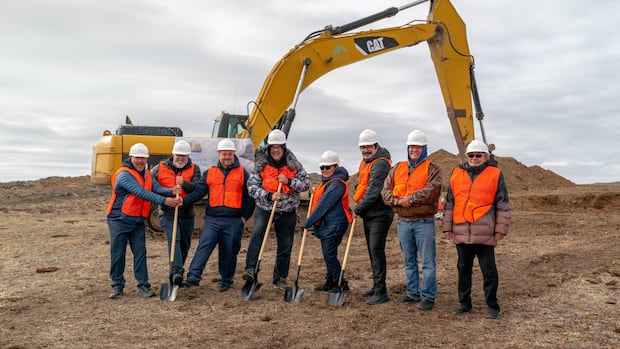
The small Inuit community of Quaqtaq in Nunavik has embarked on a groundbreaking journey toward energy independence. Nunavik wind turbine construction officially began this month, marking a pivotal moment for the remote northern Quebec village of approximately 400 residents. This project represents the first step in the community’s ambitious clean energy transition away from costly and polluting diesel fuel.
For decades, Quaqtaq has relied entirely on diesel generators to power homes, businesses, and essential services. The new wind turbine project promises to reduce this dependency significantly while cutting greenhouse gas emissions in one of Canada’s most climate-vulnerable regions.
Why Wind Energy Matters for Remote Arctic Communities
Remote northern communities across Canada face unique energy challenges. Diesel fuel must be shipped in during brief summer months when ice conditions permit, creating logistical nightmares and astronomical costs. Residents often pay some of the highest electricity rates in the country.
Wind power offers a compelling alternative for communities like Quaqtaq. The region experiences consistent strong winds throughout the year, making it an ideal candidate for wind energy development.
The environmental benefits extend beyond simple carbon reduction. Diesel spills pose serious risks to fragile Arctic ecosystems, and the constant noise of generators disrupts daily life in small communities. Wind turbines operate quietly and cleanly by comparison.
Project Details and Timeline
The construction crew began foundation work earlier this month under challenging Arctic conditions. Workers must complete critical phases during the short summer construction window before harsh winter weather sets in.
The turbine selected for Quaqtaq was specifically designed for extreme cold weather operation. Standard wind turbines can fail in Arctic conditions, where temperatures regularly plunge below minus 40 degrees Celsius. Specialized heating systems and cold-weather lubricants ensure reliable performance year-round.
Key project specifications include:
- Single turbine installation designed for Arctic conditions
- Expected operational capacity to offset significant diesel consumption
- Integration with existing diesel power infrastructure
- Local workforce involvement in construction and maintenance
The hybrid system will allow the community to switch seamlessly between wind and diesel power based on weather conditions and demand.
Economic Impact on Quaqtaq Residents
The financial implications for Quaqtaq residents could prove substantial. Northern communities typically spend millions annually on diesel fuel purchases and transportation. Even modest reductions in diesel consumption translate to significant savings.
Makivik Corporation, the organization representing Inuit interests in Nunavik, has championed renewable energy development across the region. Leadership views the Quaqtaq project as a model that could eventually expand to other communities throughout Nunavik’s 14 villages.
Job creation represents another economic benefit. Local workers participated in construction training programs to prepare for the project. Long-term maintenance positions will provide stable employment opportunities in a region where jobs remain scarce.
The project also reduces exposure to volatile global oil prices that have caused energy cost spikes in isolated communities throughout recent years.
Climate Change and Arctic Energy Security
Climate change adds urgency to Nunavik’s clean energy transition. Arctic regions are warming at roughly four times the global average rate, causing permafrost thaw, coastal erosion, and disruptions to traditional ways of life.
The Kativik Regional Government, which oversees municipal services in Nunavik, has identified renewable energy development as a priority adaptation strategy. Reducing reliance on fuel shipments also improves energy security as changing ice conditions make traditional supply routes increasingly unpredictable.
Indigenous communities across the Canadian Arctic have increasingly embraced renewable energy projects. Solar installations, wind turbines, and biomass systems now operate in dozens of remote locations from Yukon to Labrador.
Quaqtaq’s project joins a growing network of northern renewable energy installations that demonstrate clean technology can thrive even in extreme environments.
Challenges and Lessons Learned
Arctic renewable energy projects face obstacles that southern installations never encounter. Permafrost foundations require specialized engineering. Supply chain logistics cost multiples of southern equivalents. Trained technicians are scarce in remote regions.
Previous northern wind projects have encountered mixed results. Some installations exceeded expectations while others struggled with equipment failures and maintenance challenges. Project planners for Quaqtaq studied these experiences carefully to avoid repeating mistakes.
Community engagement proved essential during planning phases. Residents participated in consultations about turbine placement to minimize impacts on hunting areas and traditional land use. This collaborative approach built local support and addressed concerns before construction began.
Training programs ensured community members could participate meaningfully in both construction and ongoing operations. This capacity building creates lasting benefits beyond the project itself.
What This Means for Nunavik’s Energy Future
The Quaqtaq wind turbine represents just the beginning of Nunavik’s renewable energy ambitions. Regional planners envision a future where multiple communities operate hybrid power systems combining wind, solar, and battery storage with backup diesel generation.
Hydro-Québec, the provincial utility, has expressed interest in supporting further renewable development throughout the region. Partnerships between Indigenous organizations, government agencies, and private developers will likely drive future expansion.
Success in Quaqtaq could accelerate similar projects across northern Quebec and beyond. Other remote Indigenous communities are watching closely, hoping to replicate effective models in their own regions.
The project also contributes to Canada’s broader climate commitments. Federal programs supporting Indigenous clean energy development have increased funding in recent years, creating opportunities for communities ready to pursue renewable alternatives.
A New Chapter for Northern Energy Independence
Construction of the Quaqtaq wind turbine signals a transformative moment for Nunavik and remote Arctic communities throughout Canada. This project demonstrates that clean energy solutions can work in even the most challenging environments when communities, governments, and technical experts collaborate effectively.
