


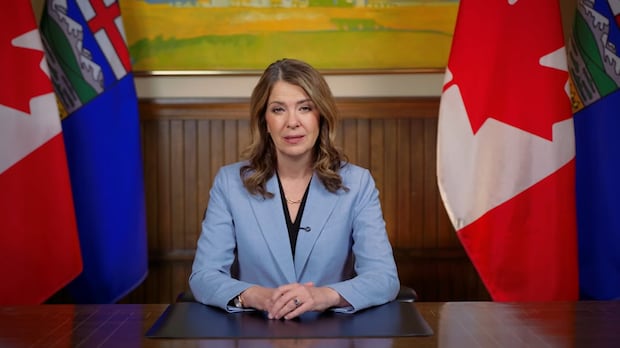
Alberta’s political landscape erupted into debate after Premier Danielle Smith announced the question that will appear on the province’s upcoming Alberta separation referendum. Leaders from across the political spectrum gathered to deliver their responses, marking a pivotal moment in Canadian federalism and Alberta’s relationship with Ottawa.
The announcement has sent shockwaves through both provincial and federal politics, with supporters celebrating what they call a historic opportunity for Albertans to voice their frustrations, while critics warn of economic uncertainty and constitutional chaos.
What the Referendum Question Asks Albertans
Premier Danielle Smith unveiled the referendum question that will ask Albertans whether they support pursuing greater autonomy or outright independence from Canada. The exact wording of the question has become a focal point of controversy, with opposition parties arguing it lacks clarity and could mislead voters.
The Alberta sovereignty movement has gained momentum over recent years, fueled by disputes over energy policy, equalization payments, and what many Albertans perceive as federal overreach into provincial jurisdiction.
Smith defended the question’s language during her announcement, stating it gives Albertans a clear choice about their province’s future direction. The referendum date and campaign period details are expected to follow in coming weeks.
Opposition Leaders Condemn Referendum Timing
NDP Response
Alberta NDP Leader Rachel Notley criticized the referendum announcement as a dangerous distraction from pressing issues facing Alberta families. She argued the provincial government should focus on healthcare, education, and affordability rather than constitutional battles with Ottawa.
Notley emphasized that separation would devastate Alberta’s economy, pointing to trade relationships, pension agreements, and international treaties that depend on Canadian membership.
Liberal and Federal Perspectives
Federal Liberal representatives warned that any move toward Alberta independence would face significant legal and constitutional hurdles. They referenced the Supreme Court’s 1998 Secession Reference, which established that unilateral separation by any province would be unconstitutional.
The federal government has maintained a cautious stance, emphasizing dialogue and cooperation while firmly opposing any path toward provincial separation.
United Conservative Party Defends Democratic Process
Members of the governing United Conservative Party rallied behind Smith’s announcement, framing the referendum as a democratic exercise that empowers Albertans to send a message to Ottawa.
UCP supporters argue that decades of federal policies have disadvantaged Alberta, particularly regarding the energy sector, carbon taxation, and equalization formula calculations. They point to billions of dollars flowing out of Alberta to support other provinces while the federal government implements policies they claim harm Alberta’s oil and gas industry.
Cabinet ministers emphasized that the referendum represents consultation, not necessarily a final decision on separation. They suggested a strong vote could strengthen Alberta’s negotiating position with the federal government on key issues.
Economic Implications of Alberta Separation
Financial analysts and economists have weighed in on what Alberta independence would mean for the province’s economy. The picture remains complicated, with both potential benefits and significant risks.
Potential Benefits Cited by Supporters:
- Full control over natural resource revenues
- Elimination of equalization payment contributions
- Independent trade negotiation capabilities
- Reduced regulatory burden from federal oversight
Risks Identified by Critics:
- Loss of Canadian trade agreements and market access
- Currency instability and establishment costs
- Pension and social security disruptions
- International recognition challenges
Major financial institutions have declined to speculate on specific outcomes but have noted that political uncertainty typically increases investment risk and could affect Alberta’s credit rating.
Indigenous Leaders Voice Concerns
First Nations and Métis leaders across Alberta expressed serious concerns about the referendum process. Many emphasized that treaty relationships exist with the Crown of Canada, not with any individual province, raising complex questions about Indigenous rights in any separation scenario.
Indigenous communities have called for meaningful consultation before any referendum proceeds, arguing their constitutionally protected rights must be addressed in any discussion of Alberta’s political future.
Several chiefs indicated they would seek legal opinions on how separation might affect existing agreements and land claims currently under federal jurisdiction.
Historical Context of Western Alienation
The Alberta separatist movement has roots stretching back decades, periodically gaining strength during economic downturns or federal policy disputes. The Western Canada Concept party briefly won a provincial byelection in 1982, and separation sentiment has ebbed and flowed since then.
Recent catalysts include:
- The 2018 Trans Mountain pipeline purchase controversy
- Federal carbon pricing implementation
- Bill C-69 environmental assessment changes
- COVID-19 pandemic response disagreements
Political scientists note that referendum results in other jurisdictions, including Quebec’s 1995 vote and Brexit in 2016, demonstrate that such votes can produce unexpected outcomes with lasting consequences.
What Happens Next in the Referendum Process
The Alberta government must now establish the formal referendum framework, including:
- Official campaign period dates
- Spending limits for yes and no campaigns
- Voter information requirements
- Threshold for a binding result
Elections Alberta will oversee the process, though opposition parties have called for independent oversight given the stakes involved. Legal experts suggest any result favoring separation would trigger complex negotiations rather than immediate independence.
Constitutional scholars emphasize that even a strong yes vote would begin a process, not end one. The federal government would face pressure to negotiate, but no legal mechanism exists for unilateral provincial separation.
Albertans Prepare for Historic Vote
As Alberta’s political leaders stake out their positions, ordinary Albertans face a significant decision about their province’s future. Polls suggest the province remains divided, with substantial portions supporting both stronger autonomy and maintaining current federal arrangements.
The coming months will see intense campaigning from both sides as the Alberta separation referendum dominates political discourse. Voters should seek information from multiple sources and consider both immediate and long-term implications before casting their ballots.
