


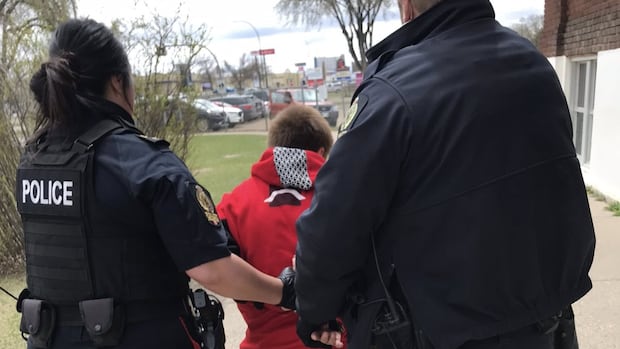
An 11-year-old boy was handcuffed by police following a violent incident at a Brandon, Manitoba school, sparking outrage from parents who argue the response was excessive for a child so young. The case of a child handcuffed at school has reignited debate about appropriate law enforcement responses when dealing with elementary-aged students in educational settings.
The boy’s parents are now speaking out, questioning whether police officers should ever restrain such young children with handcuffs, regardless of the circumstances. Their concerns echo growing national conversations about student discipline, police presence in schools, and age-appropriate interventions for children experiencing behavioral crises.
What Happened at the Brandon School
The incident occurred at a school in Brandon, Manitoba’s second-largest city, when the 11-year-old boy became involved in what authorities described as a violent episode. Details surrounding the specific nature of the incident remain limited, but the situation escalated to the point where police were called to intervene.
Upon arrival, officers made the decision to place the child in handcuffs. The boy was subsequently arrested, though the specific charges or outcomes of that arrest have not been fully disclosed.
The child’s parents learned of the restraint after the fact and immediately expressed their displeasure with how the situation was handled. They maintain that alternative de-escalation methods should have been employed before resorting to physical restraints on a child barely into his second decade of life.
Parents Challenge Police Response to Student Behavior
The boy’s family has been vocal in their criticism of the police response, arguing that handcuffing an elementary school student represents a disproportionate use of force. They contend that an 11-year-old, regardless of behavior, should not be treated the same way as an adult suspect.
The parents have raised several key concerns about the incident:
- Whether school staff exhausted all internal intervention options before calling police
- Whether officers attempted verbal de-escalation before applying restraints
- The psychological impact of being handcuffed on a young child
- What protocols exist for police interactions with elementary-aged students
Their concerns align with those of child development experts who note that physical restraint can be traumatizing for young children and may exacerbate underlying behavioral or emotional issues rather than address them.
School Safety Protocols and Police in Schools Debate
This incident adds fuel to the ongoing national debate about police presence in Canadian schools and the appropriate role of law enforcement in handling student behavioral issues. Critics argue that involving police in school discipline matters can criminalize normal childhood behavior and disproportionately affect vulnerable students.
Advocates for school resource officers counter that police presence can enhance safety and provide rapid response to genuinely dangerous situations. The challenge lies in determining when a situation truly requires law enforcement intervention versus when it can be managed through educational and therapeutic approaches.
Manitoba schools, like those across Canada, have varying policies regarding when to involve police in student incidents. Some school divisions have moved toward reducing police involvement in favor of social workers, counselors, and mental health professionals trained specifically in youth intervention.
Child Development Experts Weigh In
Child psychologists and youth advocates have long cautioned against treating children who exhibit violent behavior the same as adult offenders. The brain development of an 11-year-old differs significantly from that of an adult, affecting impulse control, emotional regulation, and understanding of consequences.
Trauma-informed approaches to student behavior have gained traction in educational circles, emphasizing the need to understand the root causes of acting out rather than simply punishing the behavior. Many children who exhibit violent tendencies at school are dealing with underlying issues such as:
- Adverse childhood experiences
- Undiagnosed learning disabilities
- Mental health conditions
- Family instability or trauma
- Bullying or social difficulties
Experts suggest that restraining a child with handcuffs can compound existing trauma and damage the child’s relationship with authority figures, potentially worsening behavioral issues over time.
Brandon Police Response and Protocols
Brandon Police Service has not issued extensive public comments regarding the specific incident, though law enforcement agencies typically maintain that officers must make split-second decisions to ensure safety for all parties involved, including the child in question.
Police protocols for dealing with youth vary across jurisdictions, and officers often receive training on interacting with minors. However, critics argue that this training may be insufficient, particularly when dealing with children as young as 11 who are experiencing emotional or behavioral crises.
The incident raises questions about whether current protocols adequately account for the unique needs of elementary-aged children and whether additional training or policy changes might be warranted.
Growing Calls for Reform in Student Discipline
The Brandon case reflects broader concerns across North America about the school-to-prison pipeline and the criminalization of youth behavior. Advocacy groups have increasingly pushed for reforms that prioritize therapeutic interventions over punitive responses for young students.
Some jurisdictions have implemented policies limiting the use of restraints on students below certain ages or requiring that restraints only be used when there is an immediate threat of serious physical harm. Others have invested in crisis intervention teams trained specifically to work with youth.
Parents and advocates are calling for Brandon schools and police to review their protocols in light of this incident and consider whether changes might prevent similar situations in the future.
The handcuffing of an 11-year-old boy at a Brandon school has sparked important questions about how authorities should respond to violent incidents involving young children. While ensuring safety remains paramount, parents and child advocates argue that age-appropriate interventions must be prioritized over punitive measures that can traumatize developing minds. As this case continues to generate discussion, it may prompt Manitoba schools and police to examine their protocols and consider whether current approaches truly serve the best interests of the children they are meant to protect.
