


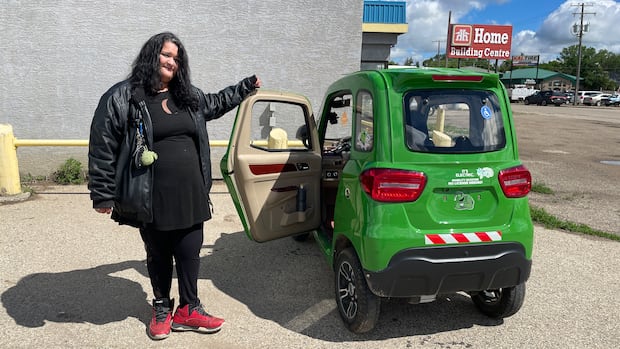
A new enclosed mobility scooter bylaw in Moose Jaw, Saskatchewan, has ignited fierce debate among disability advocates and residents who depend on these vehicles for daily independence. The regulation effectively bans cabin-style mobility scooters from both streets and sidewalks, leaving users with limited options during harsh Canadian winters.
For many residents living with mobility challenges, the bylaw represents more than an inconvenience. It threatens their ability to participate in community life, access essential services, and maintain the autonomy they’ve fought hard to preserve.
What the Moose Jaw Bylaw Prohibits
The City of Moose Jaw recently passed legislation that restricts enclosed mobility scooters—sometimes called cabin scooters—from operating on public roadways and sidewalks. These vehicles feature protective enclosures that shield users from rain, snow, and extreme temperatures.
Unlike standard open-air mobility scooters, enclosed models often travel at higher speeds and have larger dimensions. City officials argue these characteristics create safety concerns for pedestrians and other road users.
The bylaw classifies enclosed scooters differently from traditional mobility aids. Standard wheelchairs and open mobility scooters remain permitted on sidewalks under existing accessibility regulations.
Why Enclosed Scooters Matter for Independence
Residents affected by the bylaw say city officials fail to understand the critical role these vehicles play in their lives. Enclosed mobility scooters provide essential weather protection in a region where winter temperatures regularly plunge below minus thirty degrees Celsius.
“These aren’t luxury items,” explained one affected resident to local media. “They’re the difference between staying isolated at home for months or being able to get groceries, attend appointments, and see friends.”
For individuals with conditions like multiple sclerosis, arthritis, or respiratory illnesses, exposure to extreme cold poses genuine health risks. Standard mobility scooters offer no protection against Saskatchewan’s brutal winters, effectively confining users indoors for significant portions of the year.
The enclosed design also provides stability and safety features that open models lack. Many users report feeling more secure navigating uneven terrain and icy conditions within a protective cabin.
Community Backlash and Advocacy Response
Disability advocates across Saskatchewan have criticized the Moose Jaw scooter regulations as discriminatory and poorly considered. They argue the bylaw disproportionately impacts seniors and people with disabilities without offering viable alternatives.
Local advocacy groups have begun organizing to challenge the legislation. Their concerns include:
- Limited public consultation with affected community members before passage
- Absence of alternative transportation options that meet users’ specific needs
- Potential violations of provincial accessibility standards
- Health and safety risks of forcing users into inadequate vehicles
Some advocates have called for provincial intervention, suggesting the bylaw may conflict with Saskatchewan’s human rights framework and accessibility commitments.
The City’s Position on Safety Concerns
Moose Jaw city officials maintain the bylaw addresses legitimate public safety issues. They cite concerns about sidewalk accessibility for pedestrians, particularly those with visual impairments or parents with strollers.
According to municipal statements, enclosed scooters’ increased size and speed create collision risks in shared pedestrian spaces. Officials also note these vehicles lack the safety features required for street operation, such as signal lights and mirrors meeting provincial standards.
The city has suggested affected residents explore alternative transportation options, including accessible transit services. However, critics point out these services often operate on limited schedules and may not accommodate users’ specific mobility equipment.
Municipal leaders have indicated willingness to review the bylaw if residents present compelling evidence for modifications. They encourage affected community members to participate in upcoming council meetings.
Broader Implications for Canadian Accessibility
The Moose Jaw situation reflects a growing tension in Canadian municipalities between pedestrian safety regulations and disability rights. As enclosed mobility scooters become more popular, other cities may face similar legislative challenges.
Current Canadian regulations around these vehicles remain inconsistent. Some provinces classify them as motor vehicles requiring licensing and insurance, while others treat them as mobility aids with fewer restrictions.
Disability advocates argue this patchwork approach creates confusion and often penalizes the most vulnerable users. They’re calling for standardized national guidelines that balance safety requirements with accessibility needs.
The Canadian accessibility landscape continues evolving following the Accessible Canada Act’s implementation. However, enforcement mechanisms remain limited, and municipalities retain significant discretion over local bylaws.
What Affected Residents Can Do
Residents impacted by the enclosed mobility scooter bylaw have several options for making their voices heard. Attending city council meetings provides direct access to decision-makers, while written submissions create permanent records of community concerns.
Connecting with provincial disability organizations can provide legal guidance and advocacy support. These groups often have experience challenging municipal bylaws that conflict with accessibility rights.
Documenting specific hardships caused by the bylaw strengthens arguments for revision. Users should record instances where the regulation prevents access to essential services, medical appointments, or community participation.
Looking Forward: Finding Common Ground
The Moose Jaw enclosed scooter debate highlights the ongoing challenge of creating truly inclusive communities. Balancing legitimate safety concerns with accessibility rights requires thoughtful engagement from all stakeholders.
Affected residents aren’t asking for special treatment—they’re seeking equal opportunity to participate in public life. Finding solutions that address both pedestrian safety and mobility needs should remain the goal for city officials and advocates alike.
