


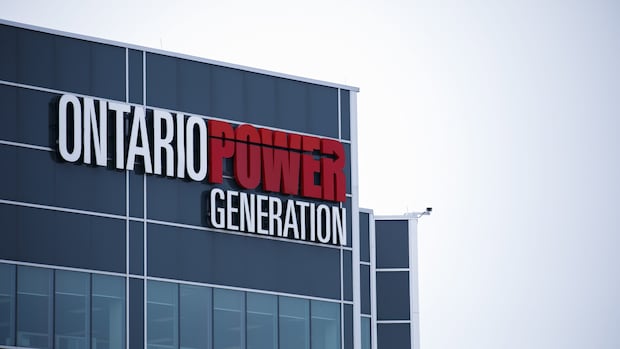
Several First Nations communities have signed a landmark agreement with the federal and Ontario governments to acquire an ownership stake in a nuclear reactor, marking a historic shift in Indigenous participation in Canada’s energy sector. The First Nations nuclear energy deal represents one of the largest Indigenous equity partnerships in the country’s history.
This groundbreaking arrangement allows First Nations groups to become part-owners of nuclear infrastructure, creating unprecedented economic opportunities while advancing reconciliation efforts. The deal signals a new era of meaningful Indigenous involvement in major energy projects across Canada.
What the Historic Agreement Includes
Partnership Structure and Financial Terms
The agreement brings together multiple First Nations communities as equity partners in an Ontario nuclear facility. Under the terms of the deal, participating Indigenous groups will hold a direct ownership stake in reactor operations, entitling them to a share of revenues generated by electricity production.
Ottawa and Ontario have committed to supporting the financial framework that makes this Indigenous ownership model possible. The partnership structure ensures First Nations communities receive ongoing economic benefits rather than one-time payments.
This equity arrangement differs significantly from previous resource agreements, which often limited Indigenous participation to consultation fees or short-term employment opportunities.
Participating First Nations Communities
Several First Nations from across Ontario have joined the partnership, representing thousands of community members who stand to benefit from the arrangement. These communities recognized the strategic value of investing in nuclear energy as a stable, long-term revenue source.
Leadership from participating nations emphasized that this deal provides economic self-determination while contributing to Canada’s clean energy goals. The communities involved underwent extensive due diligence before committing to the partnership.
Negotiations spanned several years, with First Nations leaders working alongside government officials and industry representatives to structure an equitable arrangement.
Why Nuclear Energy Appeals to Indigenous Investors
Clean Energy and Economic Stability
Nuclear power offers unique advantages that attracted First Nations investors to this opportunity. Unlike fossil fuel projects with uncertain futures, nuclear energy provides decades of reliable electricity generation with minimal carbon emissions.
The participating communities viewed nuclear ownership as an investment in clean energy infrastructure aligned with environmental values. Many First Nations prioritize sustainable development that protects lands and waters for future generations.
Revenue from nuclear operations provides predictable income streams that communities can direct toward housing, education, healthcare, and other priorities. This financial stability supports long-term community planning and development.
Breaking Historical Barriers
Indigenous communities have historically faced exclusion from major energy projects despite these developments often occurring on or near traditional territories. This nuclear deal challenges that pattern by positioning First Nations as owners rather than bystanders.
The agreement establishes a template that other energy projects across Canada may follow. Government officials noted that Indigenous equity partnerships strengthen project viability while advancing reconciliation commitments.
First Nations leaders described the deal as a significant step toward economic sovereignty. Ownership in critical infrastructure provides influence over decisions affecting Indigenous lands and communities.
Government Support and Policy Implications
Federal and Provincial Roles
Both Ottawa and Ontario played essential roles in facilitating this First Nations nuclear energy deal. The federal government provided financial mechanisms and policy support enabling Indigenous equity participation.
Ontario’s involvement reflects the province’s broader strategy to expand nuclear capacity while ensuring local communities share in economic benefits. Provincial officials highlighted the deal as a model for future energy partnerships.
The collaboration demonstrates how government intervention can remove barriers preventing Indigenous investment in major infrastructure. Financial guarantees and regulatory support helped make the ownership stake accessible to First Nations communities.
Reconciliation Through Economic Partnership
Government representatives framed the agreement as a concrete reconciliation action with measurable benefits. Unlike symbolic gestures, equity ownership transfers real wealth and decision-making power to Indigenous communities.
The deal aligns with federal commitments under the United Nations Declaration on the Rights of Indigenous Peoples (UNDRIP), which Canada has pledged to implement. Economic partnerships represent one avenue for honoring these obligations.
Critics of previous reconciliation efforts have called for substantive economic measures rather than apologies alone. This nuclear partnership answers those calls with tangible investment opportunities.
Implications for Canada’s Energy Future
Expanding Indigenous Participation
This agreement opens doors for similar arrangements across Canada’s energy sector. Other First Nations may pursue equity stakes in nuclear, renewable, and transmission projects based on this precedent.
Industry analysts expect growing Indigenous involvement in energy infrastructure as communities recognize ownership benefits. Projects seeking regulatory approval may find that Indigenous partnerships smooth the path forward.
The nuclear sector specifically may see increased First Nations interest as Canada considers expanding reactor capacity to meet climate targets. Indigenous communities positioned as partners could influence the direction of this growth.
Nuclear Expansion and Clean Energy Goals
Canada has identified nuclear power as essential for achieving net-zero emissions by 2050. New reactor projects and refurbishments will require significant investment over coming decades.
First Nations equity participation could help finance this expansion while distributing economic benefits more broadly. The model tested in this Ontario deal may scale to accommodate larger projects.
Small modular reactors represent another opportunity for Indigenous investment. These smaller facilities could serve remote communities while generating returns for First Nations owners.
Challenges and Considerations Ahead
Managing Investment Risks
Nuclear ownership carries financial risks that participating communities must manage carefully. Reactor operations involve complex technical, regulatory, and market factors affecting profitability.
First Nations partners have worked with financial advisors to understand and mitigate these risks. Government support mechanisms provide additional protection against potential downsides.
Communities must balance investment in nuclear assets against other priorities competing for limited resources. Leadership emphasized that thorough analysis preceded their commitment to this deal.
Building Technical Capacity
Meaningful ownership requires understanding nuclear operations beyond simply holding equity shares. Participating First Nations are developing technical knowledge to engage effectively as partners.
Training programs and educational opportunities accompany the financial agreement. These initiatives build community capacity to participate in oversight and strategic decisions.
Long-term success depends on First Nations members pursuing careers in the nuclear sector. Employment pathways complement ownership stakes by deepening community connections to the industry.
Looking Forward
The First Nations nuclear energy deal with Ottawa and Ontario establishes a powerful precedent for Indigenous economic participation in Canada’s energy sector. By securing ownership rather than mere consultation rights, participating communities gain lasting influence and financial benefits that support self-determination for generations to come.
