


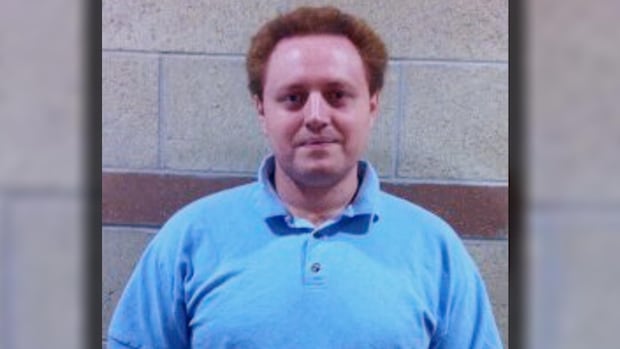
Winnipeg Court Rules Trevor Farley No Longer Poses Significant Threat to Public Safety
A Winnipeg judge has made a significant ruling in a case that has drawn attention to Canada’s not criminally responsible (NCR) designation and the mental health treatment system. Trevor Farley, who was found not criminally responsible in the 2021 killings of his parents, will no longer carry the high-risk accused label that has governed his supervision for years.
The decision, handed down by the Manitoba Court of King’s Bench, marks a pivotal moment in Farley’s case and raises important questions about rehabilitation, public safety, and the treatment of individuals with severe mental illness within the Canadian justice system.
Understanding the Original Case
Trevor Farley killed both of his parents in Winnipeg in 2021. Following his arrest, mental health assessments determined that he was suffering from a severe mental illness at the time of the offences. As a result, the court found him not criminally responsible on account of a mental disorder.
The NCR designation means that while Farley committed the acts, he could not be held criminally liable because his mental state prevented him from understanding the nature of his actions or knowing they were wrong.
After receiving the NCR verdict, Farley was subsequently designated as a high-risk accused. This classification is reserved for individuals who pose a substantial risk of committing serious violence and represents the most restrictive category under Canada’s Criminal Code for those found not criminally responsible.
What the High-Risk Accused Designation Means
The high-risk accused label carries significant implications for those who receive it. Individuals with this designation face stricter supervision and limited freedoms compared to other NCR patients.
Under Canadian law, a high-risk accused cannot receive an absolute discharge from the Review Board. They must remain under supervision and typically reside in a secure psychiatric facility. The designation also limits their ability to access community privileges and requires more frequent reviews of their status.
For families of victims and the broader public, the high-risk label often provides a measure of reassurance. It signals that authorities recognize the severity of the offence and the potential danger the individual may pose.
The Court’s Reasoning Behind Removing the Label
Justice presiding over the case determined that Farley no longer meets the criteria for the high-risk accused designation. The court considered multiple factors in reaching this conclusion, including psychiatric assessments, treatment progress, and expert testimony regarding his current mental state.
Medical professionals who treated Farley provided evidence about his mental health treatment progress and his response to medication. The court weighed this testimony heavily in determining whether he continues to pose a significant threat to public safety.
The removal of the high-risk label does not mean Farley will be immediately released into the community. He remains under the jurisdiction of the Manitoba Criminal Code Review Board, which will continue to assess his case and determine appropriate supervision levels.
Implications for Ongoing Supervision
With the high-risk designation removed, Farley now falls under standard NCR supervision protocols. The Criminal Code Review Board will conduct annual reviews of his case and has more flexibility in granting privileges or conditional discharges.
The Review Board considers several factors during these assessments:
- Current mental health status and stability
- Compliance with treatment plans and medication
- Risk of reoffending
- Availability of community supports
- Input from treatment providers and victims’ families
These reviews will determine the pace and nature of any future reintegration into the community. The process typically moves gradually, with supervised outings and day passes preceding any consideration of conditional discharge.
The Broader Context of NCR Cases in Canada
Cases involving not criminally responsible verdicts often generate significant public interest and debate. Critics argue that the system prioritizes rehabilitation over punishment and public safety. Advocates counter that it appropriately recognizes mental illness as a medical condition requiring treatment rather than incarceration.
Statistics show that individuals found NCR and properly treated have relatively low rates of reoffending. Research published in Canadian psychiatric journals indicates that supervised treatment programs effectively reduce the risk of future violence in most cases.
The Farley case highlights the ongoing tension between these perspectives. The killings of his parents represented a devastating tragedy, and the court’s decision to remove his high-risk status will likely draw mixed reactions from different stakeholders.
Mental Health Treatment and Public Safety Considerations
The Canadian justice system attempts to balance the rights of individuals with mental illness against legitimate public safety concerns. The NCR framework reflects a recognition that punishment alone does not address the underlying causes of behaviour driven by severe mental disorders.
Treatment within forensic psychiatric facilities focuses on stabilizing patients through medication, therapy, and supervised care. The goal is eventual safe reintegration into society when clinicians and Review Boards determine the individual no longer poses an unacceptable risk.
However, this process requires careful monitoring and robust support systems. Gaps in mental health services and community resources can undermine successful reintegration and potentially put the public at risk.
What Happens Next
Trevor Farley’s case will continue under Review Board supervision. The Board will assess his progress regularly and make decisions about privileges, transfers, and potential conditional discharge based on ongoing evaluations.
Victims’ families retain the right to submit impact statements and receive notifications about significant changes in the accused’s status. The justice system provides these mechanisms to ensure that those most affected by the original offences have a voice in the ongoing process.
For now, the removal of the high-risk label represents one step in what will likely be a lengthy process of treatment and assessment. The Manitoba Criminal Code Review Board will ultimately determine when, or if, Farley can safely return to the community.
