


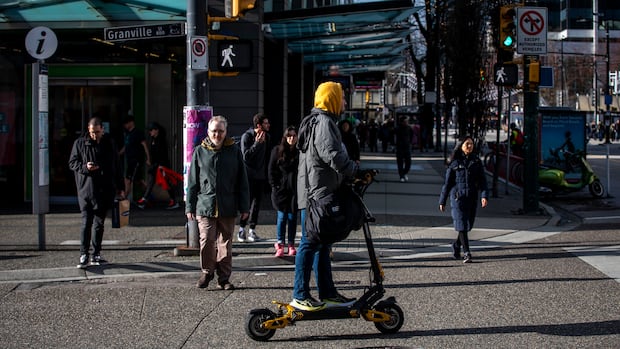
Rising Emergency Room Visits Spark Urgent Safety Concerns for Parents
E-scooter injuries among children have more than doubled at B.C. Children’s Hospital, prompting health officials to issue urgent safety warnings to families across British Columbia. The alarming trend reflects a growing public health concern as electric scooters become increasingly popular among young riders.
New data from the Vancouver-based pediatric hospital reveals a sharp increase in emergency room visits related to e-scooter accidents involving minors. Medical professionals are now calling for greater awareness about the risks these devices pose to children and the critical importance of protective gear.
Hospital Data Reveals Troubling Trend
The surge in e-scooter-related injuries at B.C. Children’s Hospital has caught the attention of trauma specialists and pediatric emergency physicians. According to hospital records, the number of children arriving with injuries from electric scooter accidents has increased dramatically over recent years.
Dr. Jeff Brubacher, an emergency physician and injury prevention researcher, has been tracking this concerning pattern. The injuries range from minor scrapes and bruises to severe trauma requiring surgical intervention.
Medical staff report seeing a variety of injury types, including:
- Fractures to arms, wrists, and legs
- Head injuries and concussions
- Facial trauma including dental injuries
- Road rash and deep lacerations
The hospital’s trauma unit has observed that many of these injuries occur when children ride without proper safety equipment or attempt maneuvers beyond their skill level.
Why E-Scooters Pose Unique Risks to Children
Electric scooters present distinct dangers that differ from traditional bicycles or manual kick scooters. The motorized acceleration can catch inexperienced riders off guard, leading to loss of control at higher speeds than they can safely manage.
Children’s developing motor skills and judgment create additional vulnerability. Young riders may not accurately assess traffic conditions, uneven pavement, or obstacles in their path. Their smaller stature also means they are less visible to drivers.
The design of many e-scooters compounds these risks. Small wheels handle poorly on cracked sidewalks, gravel, or wet surfaces. The narrow platform offers limited stability, and the upright riding position provides little protection during falls.
Expert Recommendations for Keeping Kids Safe
Health professionals and safety advocates emphasize several key measures to reduce pediatric e-scooter injuries. Parents play a crucial role in establishing and enforcing safety protocols before allowing children to ride.
Helmet Use Is Non-Negotiable
Medical experts stress that properly fitted helmets remain the single most important protective measure. Studies consistently show that helmet use dramatically reduces the severity of head injuries in scooter accidents.
Despite this evidence, emergency room staff report that many injured children were not wearing helmets at the time of their accidents. Parents should ensure helmets meet current safety certifications and fit correctly.
Age-Appropriate Supervision
Younger children require direct adult supervision when riding e-scooters. Experts recommend that children under 12 should not operate electric scooters independently, regardless of their perceived skill level.
Parents should assess each child’s maturity, coordination, and judgment before permitting unsupervised riding. Graduated independence, starting in controlled environments away from traffic, helps build necessary skills.
Understanding Local Regulations
British Columbia has specific rules governing e-scooter use that vary by municipality. Some areas restrict e-scooters from sidewalks, while others prohibit riders under certain ages from operating them on public roads.
Families should familiarize themselves with local bylaws before purchasing or renting electric scooters for children.
The Broader Public Health Perspective
The increase in e-scooter injuries among children reflects a nationwide pattern as these devices proliferate across Canadian cities. Public health officials are working to balance the transportation benefits of micro-mobility with legitimate safety concerns.
Emergency departments across the country have reported similar upticks in scooter-related trauma cases. The trend has prompted calls for standardized safety regulations and mandatory protective equipment requirements.
Some jurisdictions have responded by implementing stricter age limits for e-scooter rentals and requiring helmet use for all riders. However, privately owned scooters often fall outside these regulatory frameworks.
What Parents Can Do Today
Taking proactive steps can significantly reduce the likelihood of serious e-scooter accidents involving children. Safety experts recommend a comprehensive approach that addresses equipment, training, and ongoing supervision.
Before the First Ride
- Purchase a properly fitted, certified helmet
- Choose additional protective gear including knee and elbow pads
- Select an e-scooter appropriate for the child’s size and experience
- Review the manufacturer’s age and weight recommendations
Building Skills Safely
Start in empty parking lots or quiet paths away from traffic. Allow children to practice braking, turning, and maintaining balance at low speeds before venturing onto busier routes.
Teach children to scan for hazards including potholes, debris, and pedestrians. Emphasize the importance of defensive riding and assuming that drivers may not see them.
Establishing Clear Rules
Set boundaries about where and when children may ride. Prohibit nighttime riding, wet weather operation, and carrying passengers. Make helmet use a non-negotiable condition for all rides.
Hospital Staff Urge Community Awareness
The medical team at B.C. Children’s Hospital hopes that publicizing these injury statistics will encourage families to take e-scooter safety more seriously. Prevention remains far more effective than treatment for traumatic injuries.
Emergency physicians note that even minor injuries can have lasting consequences for children, including scarring, chronic pain, or psychological trauma. Severe injuries may require lengthy rehabilitation and impact a child’s development.
The hospital continues to track e-scooter injury data and collaborate with public health authorities on prevention initiatives. Staff members participate in community education efforts aimed at reducing preventable childhood injuries.
