


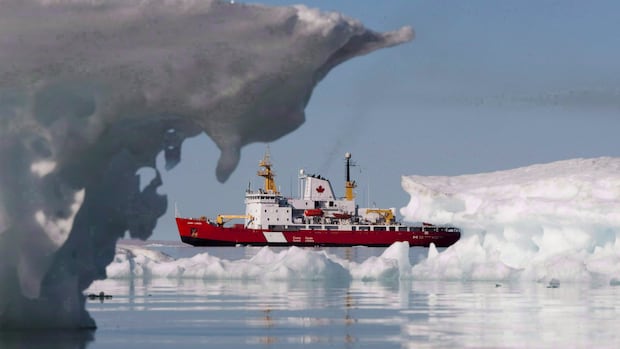
The Canadian Coast Guard is receiving a massive $816 million investment to strengthen Arctic security and protect the nation’s southern waters. This significant funding announcement signals Ottawa’s commitment to defending Canadian sovereignty in an increasingly contested northern region.
Fisheries Minister David McGuinty unveiled the funding package on Saturday, emphasizing the urgent need to modernize Canada’s maritime surveillance capabilities. The investment comes amid growing international interest in Arctic shipping routes and resources as climate change opens previously inaccessible waterways.
Breaking Down the Arctic Security Investment
The funding package targets several critical areas of Canadian Coast Guard operations. A substantial portion will go toward advanced drone technology and upgraded radar systems designed to monitor Canada’s vast Arctic coastline more effectively.
McGuinty highlighted that Canada possesses the world’s longest coastline, stretching approximately 243,000 kilometers. Protecting this enormous maritime boundary requires cutting-edge technology and enhanced patrol capabilities.
The investment includes funds for unmanned aerial vehicles (UAVs) that can operate in harsh Arctic conditions. These drones will provide real-time surveillance data, helping authorities track vessel movements and detect potential security threats.
Enhanced Radar Systems for Northern Waters
A key component of the funding addresses Canada’s aging radar infrastructure. The government plans to deploy modern radar networks across strategic Arctic locations to create a comprehensive surveillance shield.
These systems will monitor both surface vessels and aircraft entering Canadian airspace and waters. Officials expect the upgraded technology to significantly improve response times to potential incursions or emergencies.
The radar enhancements align with broader North American defense initiatives and complement existing NORAD operations. Canada’s Arctic neighbors, including the United States, have expressed support for improved northern monitoring capabilities.
Securing Southern Waters and Great Lakes
While Arctic security dominates the headlines, the funding package also addresses threats closer to home. A portion of the $816 million will enhance Coast Guard operations in southern Canadian waters, including the Great Lakes region.
Authorities have identified increasing concerns about:
- Illegal fishing activities in Canadian territorial waters
- Smuggling operations along coastal routes
- Environmental monitoring for oil spills and pollution
- Search and rescue capacity in busy shipping lanes
The investment will allow the Coast Guard to deploy additional patrol vessels and upgrade communication systems linking various regional operations centers.
Responding to Geopolitical Pressures
Canada’s Arctic security investment reflects growing geopolitical tensions in the northern hemisphere. Russia has significantly expanded its Arctic military presence in recent years, while China has declared itself a “near-Arctic state” and invested heavily in polar research and shipping.
The Northwest Passage, which runs through Canadian Arctic waters, has become increasingly navigable due to melting sea ice. This development has attracted international shipping interests and raised questions about sovereignty and control.
Minister McGuinty emphasized that Canada must assert its presence in the region. The funding ensures Canadian authorities can effectively monitor and respond to activities in these strategically important waters.
Climate change has accelerated the need for enhanced Arctic capabilities. Longer ice-free seasons mean more vessel traffic, resource exploration, and potential environmental incidents requiring Coast Guard intervention.
Technology Modernization and Workforce Development
Beyond hardware investments, the funding package includes provisions for workforce training and technology integration. Coast Guard personnel will receive specialized instruction on operating new drone systems and interpreting advanced radar data.
The modernization effort also encompasses cybersecurity upgrades to protect sensitive surveillance networks from potential interference. Officials recognize that sophisticated monitoring systems require equally robust digital defenses.
Industry partnerships will play a role in implementing the new technologies. Canadian defense contractors and technology firms may benefit from procurement opportunities associated with the investment.
Timeline and Implementation Strategy
The government has outlined a phased implementation approach for the funding. Initial deployments will focus on the most strategically sensitive Arctic locations, with subsequent rollouts expanding coverage progressively.
Officials expect the first new drone systems to become operational within 18 to 24 months. Full radar network upgrades may take longer, with complete implementation projected over a five-year period.
The Coast Guard will coordinate closely with other federal agencies, including the Royal Canadian Navy and the Canadian Armed Forces, to ensure seamless integration of new capabilities.
What This Means for Canadian Sovereignty
This substantial investment reinforces Canada’s commitment to protecting its territorial integrity. The $816 million package represents one of the largest single investments in Coast Guard capabilities in recent memory.
As Arctic accessibility increases and international competition intensifies, Canada must demonstrate both the will and the capacity to defend its interests. This funding provides essential tools for that mission while supporting search and rescue operations that protect mariners in Canadian waters.
Canadians should expect continued government focus on northern security as climate patterns evolve and global attention on the Arctic grows. The investment announced today marks a significant step toward ensuring Canada remains the authoritative presence in its own waters.
