


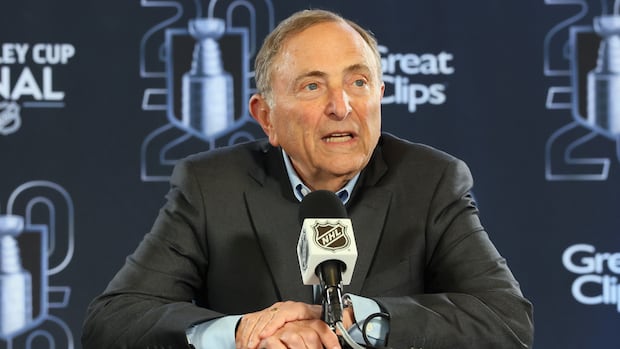
The National Hockey League is actively exploring NHL expansion Texas opportunities, with Houston and Austin emerging as leading candidates for potential franchise locations. Commissioner Gary Bettman confirmed the league’s serious interest in the Lone Star State during recent discussions, signaling a significant shift in the NHL’s southern expansion strategy.
This development marks one of the most concrete steps toward bringing professional hockey to Texas’s largest metropolitan areas outside of Dallas, where the Stars have operated since 1993. The news has sparked intense speculation among hockey fans and sports business analysts about the league’s future growth trajectory.
Why Texas Makes Sense for NHL Growth
The NHL has long viewed Texas as untapped territory for hockey expansion. Despite the state’s traditional association with football, basketball, and baseball, the Dallas Stars have demonstrated that professional hockey can thrive in the region.
Houston represents the fourth-largest metropolitan area in the United States, boasting a population exceeding seven million residents. The city lacks an NHL franchise despite its massive market size and proven ability to support major professional sports teams across multiple leagues.
Austin, meanwhile, has transformed into one of America’s fastest-growing cities. The state capital’s booming technology sector has attracted young professionals and transplants from traditional hockey markets, creating a potentially receptive audience for NHL action.
Commissioner Bettman Addresses Expansion Timeline
Gary Bettman has maintained a measured approach when discussing potential NHL expansion plans. The commissioner acknowledged that any franchise additions would require extensive evaluation of market conditions, arena situations, and ownership groups.
“We’re always looking at opportunities to grow the game,” Bettman stated during recent media availability. The league currently operates with 32 teams following the successful additions of the Seattle Kraken in 2021 and the Vegas Golden Knights in 2017.
Both recent expansion franchises have exceeded expectations, with Vegas winning the Stanley Cup in 2023 and Seattle building a passionate fan base despite limited playoff success. These outcomes have emboldened the league to consider further growth.
Houston’s Case for an NHL Franchise
Houston’s bid for an NHL team carries significant weight due to several competitive advantages. The city already hosts successful franchises in the NFL, MLB, NBA, and MLS, demonstrating robust sports infrastructure and corporate support.
The Toyota Center, home to the NBA’s Houston Rockets, could potentially serve as a temporary or permanent home for an NHL franchise. The arena has hosted hockey events in the past and possesses the necessary infrastructure for ice installation.
Key factors supporting Houston’s candidacy include:
- Market size: Over 7 million residents in the metropolitan area
- Corporate base: Major oil, energy, and healthcare companies provide sponsorship potential
- Diverse population: Growing interest in hockey among younger demographics
- Media market: Fifth-largest television market in the United States
Houston previously hosted the WHA’s Aeros and later an AHL affiliate team, establishing some hockey tradition in the region.
Austin’s Emerging Hockey Market
Austin presents a different but equally compelling case for professional hockey expansion. The city’s explosive population growth has outpaced infrastructure development, but recent investments suggest readiness for major league sports.
The arrival of Austin FC in Major League Soccer demonstrated the market’s appetite for new professional franchises. Tech industry leaders have expressed interest in sports ownership opportunities, potentially providing the deep-pocketed ownership groups the NHL requires.
Austin’s advantages include:
- Population growth: One of America’s fastest-expanding metropolitan areas
- Demographics: Young, affluent population with disposable income
- Transplant community: Many residents relocated from northern states with hockey traditions
- Entertainment culture: Strong live event attendance across music and sports
However, Austin would likely require a new arena purpose-built for hockey, representing a significant infrastructure investment.
Competition and Challenges Ahead
Texas cities face competition from other markets seeking NHL franchises. Atlanta, which lost the Thrashers to Winnipeg in 2011, has periodically expressed interest in returning to the league. Phoenix’s ongoing arena situation also creates uncertainty about the Coyotes’ long-term stability.
The expansion fee represents another consideration. The Kraken paid $650 million for their franchise in 2018, and current estimates suggest new teams could cost upward of $1 billion. Only ownership groups with substantial financial resources can realistically pursue expansion opportunities.
Climate considerations, while less significant than in previous decades, still factor into planning. Modern arena technology and youth hockey development programs have helped the sport grow in southern markets, but building sustainable fan bases requires long-term investment.
What This Means for Hockey Fans
The NHL’s Texas exploration signals the league’s confidence in continued growth despite economic uncertainties. For hockey fans in Houston and Austin, this news represents the most tangible hope yet for local NHL hockey.
Expansion decisions typically unfold over several years, involving market studies, ownership vetting, and arena negotiations. Fans should temper expectations while remaining optimistic about potential developments.
The Dallas Stars organization could also factor into these discussions, as the NHL typically consults existing franchises about territorial considerations when evaluating nearby expansion sites.
Conclusion
The NHL’s active exploration of Texas expansion opportunities with Houston and Austin represents a significant development in professional hockey’s growth strategy. While concrete timelines remain uncertain, the league’s acknowledgment of these markets signals serious intent. Hockey fans in both cities should monitor developments closely as the NHL evaluates its options for bringing America’s fastest sport to new audiences in the Lone Star State.
