


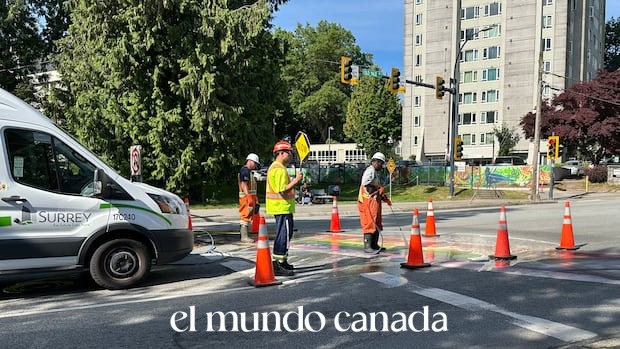
A Pride crosswalk in Surrey, British Columbia, has been defaced with black paint in an incident that LGBTQ+ advocates are calling a deliberate act of hate. The Surrey rainbow crosswalk vandalism occurred just days before Pride Month celebrations were set to begin across Canada, sparking outrage among community members and local leaders.
The vandalism, discovered in late May 2024, targeted one of the city’s permanent rainbow crosswalks installed to celebrate and support the 2SLGBTQ+ community. This incident marks the latest in a troubling pattern of hate-motivated property damage targeting Pride symbols across the country.
What Happened to Surrey’s Pride Crosswalk
The rainbow crosswalk, located in a prominent area of Surrey, was found covered with black paint in what authorities believe was a deliberate act of vandalism. City crews responded quickly to assess the damage and begin restoration efforts.
Surrey’s rainbow crosswalks were installed as permanent fixtures to demonstrate the city’s commitment to diversity and inclusion. The timing of this vandalism—immediately preceding Pride Month—has intensified concerns about rising anti-LGBTQ+ sentiment in the region.
Local residents who discovered the damage expressed shock and disappointment. The crosswalk had served as a visible symbol of acceptance and safety for LGBTQ+ community members in the area.
Community Response and Advocacy Groups Speak Out
LGBTQ+ advocacy organizations wasted no time condemning the vandalism as a targeted attack on the community. Representatives described the incident as more than simple property damage, calling it a clear act of hate designed to intimidate and marginalize queer individuals.
“This isn’t just paint on pavement,” community advocates stated. “This is a message of exclusion directed at vulnerable members of our community.”
The incident has galvanized local Pride organizations, with many pledging to increase visibility and support during upcoming Pride celebrations. Rather than being discouraged, advocates say the community plans to respond with even greater displays of solidarity.
Rising Trend of Pride Symbol Vandalism
The Surrey incident reflects a disturbing national trend of Pride crosswalk vandalism across Canadian cities. Similar incidents have been reported in municipalities throughout British Columbia, Ontario, and Alberta in recent years.
Experts tracking hate crimes note that attacks on Pride symbols often increase during Pride Month. These incidents range from graffiti and paint damage to more severe destruction of LGBTQ+ monuments and memorials.
According to Statistics Canada, police-reported hate crimes targeting sexual orientation have risen significantly over the past several years. The vandalism of Pride symbols represents a visible manifestation of this broader trend.
Community safety advocates emphasize that these acts, while sometimes dismissed as minor property crimes, carry significant psychological weight for LGBTQ+ individuals who may already feel vulnerable or marginalized.
City of Surrey’s Official Response
Surrey city officials have condemned the vandalism and committed to restoring the crosswalk promptly. Municipal leaders emphasized that acts of hate will not be tolerated and that the city remains dedicated to supporting its diverse population.
The City of Surrey has invested in permanent Pride crosswalks as part of broader inclusion initiatives. These installations represent official recognition of the LGBTQ+ community’s place in the city’s social fabric.
City councillors have called for increased surveillance and protection of Pride installations, particularly during vulnerable periods like Pride Month. Some have advocated for enhanced penalties for hate-motivated vandalism targeting community symbols.
Law enforcement officials are investigating the incident and have asked anyone with information to come forward. Investigators are reviewing potential surveillance footage from nearby businesses and residences.
Understanding the Impact on LGBTQ+ Communities
The psychological impact of Pride symbol vandalism extends far beyond the immediate property damage. For many LGBTQ+ individuals, these attacks represent a direct threat to their sense of belonging and safety within their communities.
Mental health professionals note that visible hate incidents can trigger anxiety, depression, and feelings of isolation among queer individuals. Young LGBTQ+ people, in particular, may be affected by seeing symbols of their identity targeted for destruction.
Rainbow crosswalks serve multiple purposes beyond decoration. They function as safe space indicators, signaling to LGBTQ+ individuals that a community welcomes and supports them. When these symbols are attacked, that sense of safety is compromised.
Support organizations encourage affected community members to seek resources and connection during these challenging moments. Pride centers and LGBTQ+ support lines remain available for those experiencing distress related to hate incidents.
Moving Forward: Community Resilience and Pride Month
Despite the vandalism, Surrey’s LGBTQ+ community and allies are preparing to celebrate Pride Month 2024 with determination and visibility. Organizers say incidents like this crosswalk defacement only strengthen their resolve to advocate for equality and acceptance.
Local Pride events are expected to proceed as planned, with some organizers adding programming specifically addressing hate crimes and community resilience. Solidarity marches and visibility campaigns may see increased participation following the vandalism.
Community leaders are encouraging residents to report any suspicious activity around Pride installations and to demonstrate support by attending local Pride events. Many businesses in the area have expressed solidarity by displaying Pride flags and symbols.
The restoration of the vandalized crosswalk will serve as its own statement of resilience—a demonstration that hate cannot erase the community’s presence or diminish its pride.
The vandalism of Surrey’s rainbow crosswalk represents a painful reminder that LGBTQ+ communities continue to face hostility and discrimination. However, the swift condemnation from city officials, advocacy groups, and community members demonstrates that such acts of hate will not go unanswered. As Pride Month begins, the incident has paradoxically united the community in its commitment to visibility, acceptance, and resilience. Those wishing to support the LGBTQ+ community can attend local Pride events, report hate incidents, and advocate for stronger protections for vulnerable populations.
