


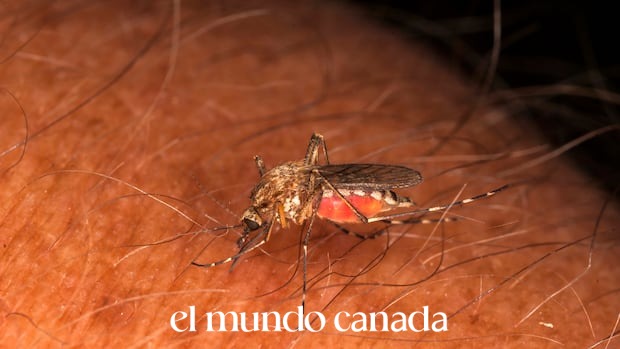
Health officials in British Columbia have confirmed the detection of a virus in invasive mosquitoes discovered in the Sea-to-Sky region, raising concerns among residents and public health experts alike. The finding marks a significant development in the ongoing monitoring of non-native mosquito species that have established populations in parts of British Columbia over recent years.
The discovery underscores the growing importance of mosquito surveillance programs as climate change continues to expand the range of disease-carrying insects into previously unaffected areas of Canada.
What Researchers Discovered in the Sea-to-Sky Corridor
Scientists conducting routine surveillance in the Sea-to-Sky region identified the virus in samples collected from invasive mosquito populations. The area, which stretches from West Vancouver through Squamish to Whistler, has become a focal point for monitoring efforts due to its unique climate conditions and increasing mosquito activity.
The invasive species in question differs from native British Columbia mosquitoes in several important ways. These non-native insects often demonstrate greater adaptability to urban environments and can potentially carry diseases not traditionally found in Canadian mosquito populations.
Researchers have been tracking the spread of these invasive mosquito species since they first appeared in the province. The detection of a virus within this population represents a new chapter in understanding the potential health risks these insects may pose.
Understanding the Health Implications
Public health authorities have emphasized that residents should remain informed but not alarmed by this discovery. The virus detected requires further analysis to determine its potential impact on human health.
Mosquito-borne illnesses have historically been rare in British Columbia compared to other parts of the world. However, the introduction of invasive species capable of transmitting diseases has prompted officials to expand surveillance and prevention programs.
Health experts recommend that residents take standard precautions to reduce mosquito exposure, particularly during peak activity hours at dawn and dusk. These measures include:
- Using insect repellent containing DEET or icaridin
- Wearing long sleeves and pants in mosquito-prone areas
- Eliminating standing water around homes
- Installing or repairing window and door screens
How Invasive Mosquitoes Arrived in British Columbia
The presence of non-native mosquitoes in B.C. likely results from a combination of factors, including international trade, travel, and changing climate conditions. Warmer temperatures and milder winters have created more hospitable environments for species that previously could not survive in the region.
Container shipping and the movement of goods have historically served as pathways for invasive insects to enter new territories. Mosquito eggs can survive in small amounts of water and travel thousands of kilometers undetected.
Once established, these populations can be extremely difficult to eradicate. Invasive mosquito species often outcompete native insects and adapt quickly to local conditions, making long-term management challenging for authorities.
Ongoing Surveillance and Response Efforts
Provincial and federal agencies have increased their mosquito monitoring programs in response to the growing threat of invasive species. These efforts involve setting traps, collecting samples, and testing for various pathogens throughout the mosquito season.
The British Columbia Centre for Disease Control works in coordination with regional health authorities to track mosquito populations and assess potential risks. This collaborative approach enables rapid response when concerning findings emerge.
Local governments in the Sea-to-Sky corridor have also implemented community education initiatives to help residents understand their role in mosquito control. Reducing breeding habitats on private property remains one of the most effective strategies for limiting mosquito populations.
Climate Change and the Future of Mosquito-Borne Disease
Scientists predict that climate change will continue to expand the range of mosquito species capable of transmitting diseases into northern regions, including much of Canada. Rising temperatures create conditions that allow tropical and subtropical insects to survive in areas where they previously could not.
This trend has significant implications for public health planning and resource allocation. Health systems across British Columbia and Canada may need to adapt to address diseases that were once considered exotic or rare in these regions.
Research institutions have called for increased funding for entomological studies and disease surveillance to stay ahead of emerging threats. Early detection remains crucial for preventing potential outbreaks and protecting public health.
What Residents Should Know Moving Forward
The discovery of a virus in invasive mosquitoes in British Columbia’s Sea-to-Sky region serves as an important reminder of evolving public health challenges. While authorities continue to investigate the specific nature and risk level of this finding, residents can take proactive steps to protect themselves.
Staying informed through official public health channels, practicing personal protection measures, and participating in community mosquito control efforts all contribute to reducing potential risks. As surveillance programs continue, officials will provide updates on any developments that require public attention or action.
