


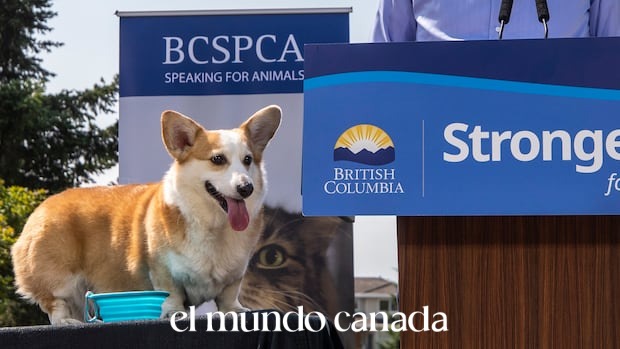
SPCA workers across British Columbia’s Lower Mainland have sent a powerful message to their employer, voting overwhelmingly in favor of strike action. The BC SPCA strike vote results, announced this week, reveal that 97.5% of unionized employees support walking off the job if contract negotiations fail to produce an acceptable agreement.
This decisive mandate affects animal care workers at multiple SPCA locations throughout Metro Vancouver and the Fraser Valley, raising concerns about the welfare of thousands of animals currently in the organization’s care. The vote marks a significant escalation in an ongoing labor dispute that has simmered for months.
What Led to the Strike Vote
Contract Negotiations Reach Impasse
The British Columbia Society for the Prevention of Cruelty to Animals and the Hospital Employees’ Union (HEU), which represents approximately 200 SPCA workers, have been locked in contract negotiations since their previous collective agreement expired. Workers cite stagnant wages, inadequate benefits, and challenging working conditions as primary concerns driving their decision to authorize strike action.
Animal care attendants, veterinary technicians, and shelter support staff make up the majority of unionized employees affected by the dispute. These frontline workers handle daily care responsibilities for rescued, surrendered, and stray animals across the region’s busiest shelters.
Workers Demand Fair Compensation
Union representatives emphasize that SPCA employees perform emotionally and physically demanding work while earning wages that have not kept pace with British Columbia’s rising cost of living. The Lower Mainland, particularly Metro Vancouver, ranks among Canada’s most expensive regions for housing and daily expenses.
Union officials stated in communications regarding the vote that their members dedicate themselves to protecting vulnerable animals every single day. Workers argue that their compensation should reflect both the specialized skills required and the emotional toll of animal welfare work.
Impact on Animal Welfare Services
Shelter Operations at Risk
A potential SPCA worker strike could significantly disrupt animal welfare services across the Lower Mainland. The BC SPCA operates numerous facilities in the region, providing shelter, medical care, and adoption services for thousands of animals annually.
Critical services potentially affected include:
- Animal intake and surrender processing
- Veterinary care and emergency services
- Adoption programs and counseling
- Cruelty investigations and rescues
- Spay and neuter clinics
Animal welfare advocates worry that a prolonged work stoppage could create dangerous backlogs, leaving animals without proper care and overwhelming remaining resources.
Contingency Planning Underway
The BC SPCA has acknowledged the strike vote results and indicated that management is developing contingency plans to maintain essential animal care services. However, details about specific measures remain limited.
Organizations facing similar labor actions typically rely on management staff, volunteers, and temporary workers to cover critical functions. Animal welfare experts note that such arrangements rarely match the expertise and capacity of trained, experienced staff members.
Union Strategy and Next Steps
Strike Mandate Provides Negotiating Leverage
While the 97.5% approval rate authorizes union leadership to call a strike, it does not mean workers will immediately walk off the job. Labor relations experts explain that strong strike mandates typically serve as powerful bargaining tools, demonstrating unified worker resolve to employers.
The Hospital Employees’ Union now enters negotiations with significantly strengthened leverage. Both parties may return to the bargaining table with renewed urgency to reach an agreement before any work stoppage occurs.
Timeline Remains Uncertain
Under British Columbia labor law, several steps must occur before a legal strike can commence. The union must provide appropriate notice, and both parties may engage in additional mediation efforts. This process could take weeks, providing a window for continued negotiations.
Workers and union officials have expressed hope that the decisive vote will prompt the BC SPCA to present improved contract offers addressing their core concerns about wages and working conditions.
Broader Context of Labor Action
Healthcare and Non-Profit Sector Trends
The BC SPCA strike vote reflects broader labor tensions affecting healthcare-adjacent and non-profit workers throughout British Columbia and Canada. Organizations that historically relied on worker passion for their missions increasingly face pushback from employees demanding compensation matching private-sector equivalents.
The Hospital Employees’ Union represents workers across numerous healthcare and social service organizations, and recent years have seen increased militancy among members facing similar challenges of rising living costs and stagnant wages.
Public Support Remains Key Factor
Public opinion often influences outcomes in labor disputes involving organizations with strong community ties. The BC SPCA enjoys significant public goodwill as a charitable organization dedicated to animal protection, which could complicate messaging for both sides.
Workers may emphasize that fair treatment of employees ensures better care for animals, while the organization might highlight its non-profit status and financial constraints. How each party frames the dispute could significantly affect community support.
What This Means for Pet Owners and Supporters
Adoption and Surrender Services
Pet owners considering adoption or those needing to surrender animals should monitor developments closely. Any strike action could temporarily limit intake capacity and slow adoption processing times across affected facilities.
Individuals planning to visit SPCA locations for services should check directly with specific branches for operational updates as the situation evolves.
Volunteer and Donation Considerations
Community members who support the BC SPCA through volunteering or donations may find themselves weighing how to respond to the labor dispute. Some supporters may choose to respect picket lines if strikes occur, while others may prioritize direct animal care assistance.
The organization will likely continue accepting donations throughout any labor action, though potential donors should research how their contributions might be allocated during operational disruptions.
The overwhelming BC SPCA strike vote represents a pivotal moment for animal welfare workers seeking improved wages and working conditions in British Columbia’s Lower Mainland. With 97.5% support for strike action, unionized employees have clearly communicated their readiness to escalate the dispute if negotiations do not yield satisfactory results.
