


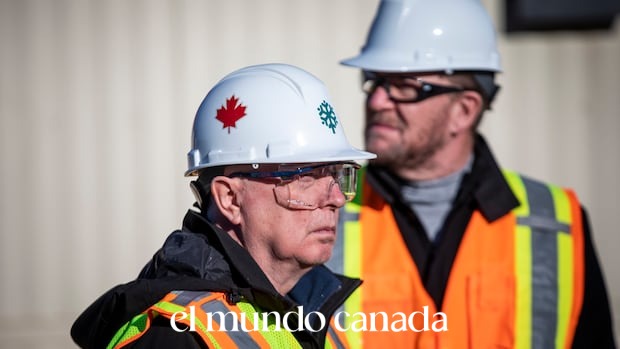
Metro Vancouver’s board chair has committed to a North Shore wastewater plant review that will leave no stone unturned, promising complete transparency as the troubled project faces mounting scrutiny from taxpayers and elected officials alike.
The pledge comes as concerns intensify over cost overruns and delays plaguing the North Shore Wastewater Treatment Plant, a critical piece of regional infrastructure designed to serve communities across North Vancouver and West Vancouver. Board Chair Mike Hurley announced that the review process will be “completely open book,” signaling a shift toward greater accountability in one of the region’s most significant public works projects.
Background: A Project Under Pressure
The North Shore Wastewater Treatment Plant has become a focal point of controversy within Metro Vancouver’s infrastructure portfolio. Originally conceived as a modern replacement for aging sewage treatment facilities, the project has encountered significant challenges that have raised red flags among regional politicians and residents.
Cost escalations and timeline extensions have transformed what was once a straightforward infrastructure upgrade into a complex political issue. The facility, located in North Vancouver, represents a substantial investment of public funds intended to protect local waterways and meet increasingly stringent environmental regulations.
Critics have demanded answers about project management decisions, contractor oversight, and the factors contributing to budget increases. The wastewater treatment sector across Canada has seen similar challenges, with major projects frequently exceeding initial estimates.
What the ‘Open Book’ Review Entails
Board Chair Hurley’s commitment to transparency carries significant implications for how Metro Vancouver will approach the investigation. An open book review typically involves:
- Full disclosure of financial records and expenditures
- Access to contractor communications and agreements
- Timeline documentation and deviation reports
- Decision-making processes at various project stages
This approach contrasts with more limited internal audits, suggesting that Metro Vancouver leadership recognizes the need to rebuild public trust. The regional district oversees wastewater services for approximately 2.5 million residents across its member municipalities.
Hurley emphasized that stakeholders deserve complete information about how public dollars have been spent. This transparency pledge responds directly to pressure from municipal councillors and mayors who have questioned whether adequate oversight mechanisms were in place throughout the project’s development.
Regional Impact and Environmental Considerations
The North Shore wastewater treatment facility serves a crucial environmental function for the region. Proper sewage treatment protects Burrard Inlet and surrounding marine ecosystems from contamination, making the project’s successful completion essential regardless of past difficulties.
Environmental regulations have become increasingly stringent in British Columbia, requiring municipalities to upgrade aging infrastructure to meet modern standards. The North Shore plant was designed to:
- Process millions of liters of wastewater daily
- Remove harmful contaminants before discharge
- Recover resources through advanced treatment processes
- Meet federal and provincial environmental requirements
Delays in completing such facilities can result in continued reliance on older, less effective treatment methods, potentially impacting water quality in sensitive marine habitats. This environmental imperative adds urgency to resolving the project’s challenges while maintaining rigorous oversight.
Political Response and Municipal Concerns
Elected officials across Metro Vancouver’s member municipalities have voiced varying degrees of concern about the project’s trajectory. The regional governance structure means that multiple mayors and councils share responsibility for major infrastructure decisions, creating complex accountability dynamics.
Several municipal leaders have called for the review to examine not only financial matters but also governance processes that allowed problems to develop. Questions have emerged about:
- Communication between Metro Vancouver staff and elected boards
- Early warning systems for identifying cost overruns
- Contractor selection and performance monitoring
- Contingency planning and risk management
The political dimension of the wastewater plant controversy extends beyond simple project management. It touches on broader questions about how regional governments handle major capital investments and whether current oversight structures adequately protect taxpayer interests.
Path Forward: Accountability and Completion
Despite the challenges, Metro Vancouver must ultimately complete the North Shore facility to meet its environmental obligations and serve growing communities. The review process aims to identify lessons learned while ensuring the project reaches completion as efficiently as possible.
Industry experts note that large infrastructure projects frequently encounter difficulties, particularly in the current environment of supply chain disruptions, labor shortages, and material cost inflation. However, the magnitude of issues at the North Shore plant has exceeded typical project variances.
The open book approach to reviewing the project may establish a precedent for how Metro Vancouver handles future major investments. Greater transparency during project execution—rather than only during post-mortem reviews—could help prevent similar situations from developing.
What Residents Can Expect
Taxpayers across Metro Vancouver’s service area will likely see the review unfold over coming months. The process should produce detailed reports accessible to the public, given Hurley’s transparency commitment.
Residents concerned about the project can engage through several channels, including attending Metro Vancouver board meetings, contacting their municipal representatives, and monitoring official communications from the regional district.
The outcome of this review will influence not only the North Shore project’s completion but also how Metro Vancouver approaches infrastructure investments for years to come. As the region continues growing, ensuring effective stewardship of public resources remains paramount for maintaining community trust in regional governance.
