


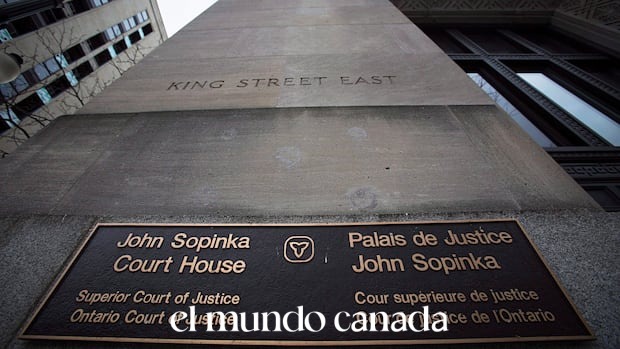
Hamilton Man Convicted in Brutal 2021 Killing of Jason Gallant Learns His Fate
A Hamilton courtroom delivered justice this week as Michael Castiglione received a life sentence with no possibility of parole for 13 years in connection with the murder of Jason Gallant. The verdict marks the conclusion of a disturbing case that shook the Hamilton community and left a family searching for answers about why their loved one was killed.
The Michael Castiglione murder sentence represents the culmination of years of investigation and legal proceedings following Gallant’s death in 2021. Justice has finally arrived for the victim’s family, though no sentence can truly compensate for their devastating loss.
The Crime That Shocked Hamilton
Jason Gallant’s murder sent shockwaves through the Hamilton area when his body was discovered in 2021. The investigation revealed a violent crime that prosecutors described as particularly brutal and senseless.
Castiglione, who faced second-degree murder charges, was ultimately held responsible for taking Gallant’s life. The case attracted significant attention from local media and community members who followed the proceedings closely.
Court documents revealed disturbing details about the circumstances surrounding Gallant’s death. Investigators worked meticulously to build their case against Castiglione, gathering evidence that would eventually lead to his conviction.
Understanding the Sentence
The judge imposed a life sentence, which is mandatory for murder convictions in Canada. However, the parole eligibility date of 13 years falls within the range typically seen in second-degree murder cases.
Under Canadian criminal law, second-degree murder carries an automatic life sentence with parole eligibility ranging from 10 to 25 years. The 13-year period before Castiglione can apply for parole reflects the court’s assessment of the crime’s severity and relevant aggravating or mitigating factors.
It’s important to note that parole eligibility does not guarantee release. Castiglione will need to demonstrate rehabilitation and meet strict criteria before any parole board would consider his release.
What Life Sentence Means in Practice
Many people misunderstand what a life sentence actually entails in the Canadian justice system. Here’s what Castiglione faces:
- Minimum 13 years in federal custody before any parole consideration
- Lifetime supervision if eventually released on parole
- Possible return to prison if parole conditions are violated
- No guarantee of release even after 13 years
The sentence ensures that Castiglione will remain under correctional supervision for the rest of his life, whether behind bars or in the community under strict parole conditions.
Impact on the Gallant Family
Jason Gallant’s loved ones have endured years of grief while awaiting justice. The victim’s family attended court proceedings, facing the man responsible for their loss while seeking closure.
Family members of murder victims often describe the sentencing phase as bittersweet. While the conviction brings some measure of accountability, no punishment can restore what was taken from them.
The Gallant family’s ordeal highlights the lasting trauma that violent crime inflicts on survivors and communities. Support services for victims’ families play a crucial role in helping them navigate the justice system and cope with their grief.
The Investigation and Trial
Hamilton Police Service dedicated significant resources to solving Gallant’s murder and building a case against Castiglione. Homicide investigators worked to collect physical evidence, interview witnesses, and establish the timeline of events leading to Gallant’s death.
The investigation demonstrated the collaborative effort required to solve serious crimes. Forensic experts, detectives, and prosecutors worked together to ensure that sufficient evidence existed to secure a conviction.
Key Elements of the Case
The prosecution presented evidence that convinced the court of Castiglione’s guilt beyond a reasonable doubt. While specific details of the evidence remain protected by court proceedings, the conviction indicates that investigators successfully connected Castiglione to the crime.
Crown prosecutors argued for a sentence that would reflect the severity of the offense and provide some measure of justice for the victim’s family. The 13-year parole ineligibility period suggests the court found significant aggravating factors in the case.
Community Response to the Verdict
Hamilton residents have closely followed this case since Gallant’s murder in 2021. The sentencing brings a sense of closure to a community affected by violent crime.
Local victim advocacy groups emphasized the importance of supporting families affected by homicide while also working toward crime prevention. The case serves as a reminder of the devastating impact that violence has on individuals, families, and entire communities.
Community members expressed mixed reactions to the sentence, with some believing justice was served while others questioned whether 13 years adequately reflects the value of a human life.
Broader Implications for the Justice System
The Castiglione case highlights ongoing debates about sentencing guidelines in Canada. Critics of the current system argue that parole eligibility periods should be longer for violent offenses, while others maintain that rehabilitation should remain a central focus of corrections.
The case also demonstrates the lengthy process that homicide cases undergo in the Canadian justice system. From investigation to trial to sentencing, years often pass before families receive closure.
Parole and Public Safety
When Castiglione eventually becomes eligible for parole, the Parole Board of Canada will conduct a thorough risk assessment. Factors considered include:
- Behavior during incarceration
- Participation in rehabilitation programs
- Risk of reoffending
- Impact on the victim’s family
- Plans for community reintegration
Public safety remains the primary concern in any parole decision, and offenders convicted of violent crimes face significant scrutiny before any release consideration.
