


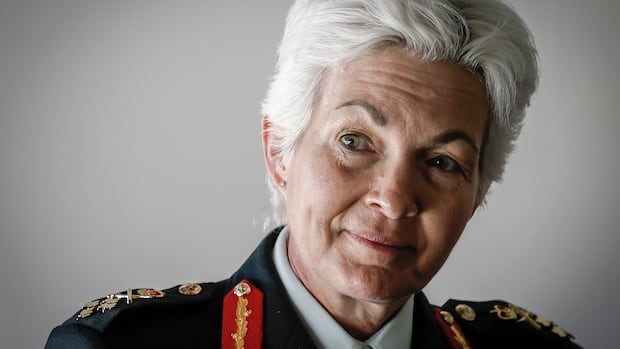
Canada has put forward Gen. Jennie Carignan for NATO’s highest military post, marking a historic nomination that could see a Canadian woman lead the alliance’s military committee for the first time. The announcement positions Carignan, currently serving as Canada’s Chief of the Defence Staff, as a frontrunner for one of the most influential roles in Western defense.
Prime Minister Mark Carney confirmed the nomination, signaling Canada’s commitment to strengthening its leadership presence within the North Atlantic Treaty Organization during a period of heightened global security concerns.
Who Is Gen. Jennie Carignan?
Gen. Jennie Carignan brings decades of distinguished military service to her candidacy. She became Canada’s first female Chief of the Defence Staff in 2024, breaking barriers in a traditionally male-dominated institution.
Her career spans multiple deployments and leadership positions across the Canadian Armed Forces. Carignan has commanded troops in combat zones and held senior strategic roles that demonstrate her capability to lead at the highest levels.
Before ascending to the top position, she served as Chief of Professional Conduct and Culture, where she tackled systemic issues within the military. Her engineering background and operational experience make her uniquely qualified for complex multinational command structures.
What Is the NATO Military Committee Chair?
The NATO Military Committee Chair represents the alliance’s highest military authority. This position oversees strategic military advice to NATO’s political leadership and coordinates defense planning among member nations.
The chair works directly with the NATO Secretary General and serves as the primary military advisor to the North Atlantic Council. Whoever holds this role shapes alliance-wide defense strategies and responses to global threats.
The position rotates among member nations, and the selection process involves consensus-building among all 32 NATO allies. Canada has not held this prestigious post in recent memory, making Carignan’s nomination particularly significant.
Why This Nomination Matters for Canada
Canada’s decision to nominate Gen. Carignan comes amid intensifying pressure on NATO members to demonstrate commitment to collective defense. The move signals Ottawa’s desire to play a more prominent role in alliance leadership.
Defense spending debates have dominated recent NATO discussions. Canada has faced criticism from allies, particularly the United States, for falling short of the alliance’s 2% GDP defense spending target. Nominating a high-profile candidate for the military committee chair could help address perceptions of insufficient Canadian commitment.
The nomination also reflects Canada’s efforts to promote gender diversity in senior military and diplomatic positions. If successful, Carignan would become one of the highest-ranking women in NATO’s history.
Reactions From NATO Allies and Defense Experts
Early reactions to the nomination have been cautiously positive among defense analysts. Carignan’s operational credentials and reform-minded approach appeal to allies seeking fresh perspectives on alliance challenges.
However, the selection process remains competitive. Other NATO members may advance their own candidates, and consensus-building will determine the final outcome.
Defense experts note that Carignan’s experience addressing institutional culture issues could prove valuable as NATO faces internal cohesion challenges. Her ability to navigate complex political environments while maintaining military effectiveness stands out among her qualifications.
Some observers question whether Canada’s recent defense budget controversies might complicate the nomination. Critics argue that leading NATO’s military committee requires coming from a nation with unquestioned commitment to alliance spending targets.
Challenges Facing the Next NATO Military Chair
Whoever assumes this role will inherit significant challenges. The ongoing conflict in Ukraine continues to test NATO’s collective defense mechanisms and resource allocation strategies.
Rising tensions with Russia have forced the alliance to reassess its eastern flank defenses. The next chair must coordinate enhanced military presence in Baltic and Eastern European member states while maintaining readiness for other global contingencies.
China’s growing military capabilities present another strategic consideration. NATO has increasingly identified the Indo-Pacific region as relevant to alliance security interests, requiring new frameworks for engagement and deterrence.
Additionally, the chair must manage relationships with the United States during a period of shifting American foreign policy priorities. Ensuring transatlantic unity remains essential for alliance effectiveness.
Timeline and Selection Process
The NATO Military Committee Chair selection follows established alliance procedures. Member nations consult extensively before reaching consensus on appointments to senior positions.
Formal deliberations typically occur during NATO summits or ministerial meetings. The alliance prioritizes unity in such decisions, meaning any nominee must secure broad support across diverse member perspectives.
Canada’s nomination enters a process that could take several months to conclude. Defense ministers and heads of government will weigh candidates based on qualifications, national contributions to the alliance, and strategic considerations.
The current chair’s term and transition timeline will influence final decisions. NATO traditionally ensures smooth handovers for continuity in military leadership.
What This Means for Canadian Defense Policy
Beyond the immediate nomination, this move reflects broader shifts in Canadian defense posture. The Carney government has signaled intentions to increase military investment and deepen NATO engagement.
Securing the military committee chair would elevate Canada’s influence over alliance strategy and operations. It would also create expectations for sustained Canadian leadership and resource contributions.
Defense modernization efforts already underway could accelerate if Canada wins this position. Political pressure to match leadership ambitions with concrete capabilities would intensify.
The nomination demonstrates that Canada seeks recognition as a serious NATO contributor despite ongoing budget debates. Success would validate this approach, while failure might prompt reassessment of Canadian defense diplomacy strategies.
Conclusion
Gen. Jennie Carignan’s nomination for NATO’s top military chair represents a pivotal moment for Canadian defense leadership. Her qualifications, combined with Canada’s strategic motivations, make this a significant development for the alliance. As NATO navigates complex global security challenges, the selection of its next military committee chair will shape collective defense priorities for years to come.
