


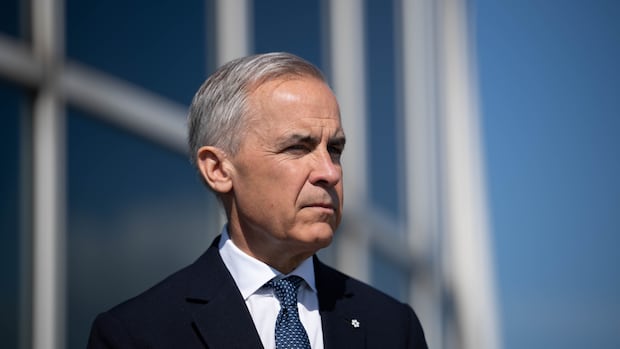
Prime Minister Emphasizes Energy Leadership During British Columbia Visit
Prime Minister Mark Carney delivered a stark warning during his visit to British Columbia this week, declaring that the world faces a significant energy crisis and positioning Canada as a critical part of the solution. The former Bank of England governor met with BC Premier David Eby to discuss how the province’s abundant natural resources could help address growing global energy demands.
Carney’s message arrives at a pivotal moment for Canadian energy policy. With international markets experiencing volatility and allies seeking reliable energy partners, the Prime Minister emphasized that Canada must step up its role as a global energy supplier while maintaining its environmental commitments.
Carney Outlines Vision for Canadian Energy Exports
During the meeting in British Columbia, Carney articulated his government’s strategy for expanding Canadian energy exports to allies facing supply constraints. The Prime Minister pointed to liquefied natural gas (LNG) projects and critical minerals as key areas where Canada can make an immediate impact on global energy security.
“The world is facing an energy crisis, and Canada has the resources, the workforce, and the expertise to help solve it,” Carney stated during the press conference following his meeting with Premier Eby.
The Prime Minister’s remarks signal a potential acceleration of energy infrastructure projects that have faced regulatory delays in recent years. British Columbia, with its Pacific coastline and substantial natural gas reserves, stands at the center of these expansion plans.
British Columbia’s Role in National Energy Strategy
Premier David Eby welcomed Carney’s focus on energy development, expressing optimism about collaboration between federal and provincial governments. The BC leader highlighted the province’s existing LNG Canada project and discussed potential future developments that could increase export capacity.
British Columbia presents unique advantages for energy export expansion. The province offers:
- Direct Pacific Ocean access for shipping to Asian markets
- Established natural gas infrastructure and reserves
- Growing renewable energy capacity including hydroelectric power
- Critical mineral deposits essential for clean energy technologies
Eby emphasized that any energy development must proceed with meaningful Indigenous consultation and partnership. Both leaders acknowledged that reconciliation and environmental protection remain priorities alongside economic development.
Global Energy Security Drives New Priorities
The Prime Minister’s energy focus reflects shifting global dynamics that have reshaped international energy markets. European nations, particularly those that previously relied on Russian natural gas, have actively sought alternative suppliers since 2022. Asian economies continue expanding their energy consumption as they pursue economic growth.
Carney, drawing on his extensive experience in international finance, argued that Canada occupies a unique position among global energy suppliers. The country combines substantial fossil fuel reserves with advancing clean energy technologies, allowing it to address immediate supply needs while investing in long-term sustainable solutions.
“Our allies need energy security today, and they need partners committed to the clean energy transition of tomorrow,” the Prime Minister explained. “Canada can deliver both.”
Industry analysts note that Canada currently ranks as the world’s fourth-largest oil producer and sixth-largest natural gas producer. However, export infrastructure limitations have historically constrained the country’s ability to reach markets beyond the United States.
Balancing Energy Development and Climate Commitments
Environmental groups have expressed mixed reactions to Carney’s energy messaging. Some climate advocates worry that emphasizing fossil fuel exports contradicts Canada’s Paris Agreement commitments and domestic emissions reduction targets.
The Prime Minister addressed these concerns directly, arguing that Canadian natural gas produces fewer emissions than coal-fired power plants that many countries still operate. He framed LNG exports as a transitional solution that helps global partners reduce their carbon footprints while cleaner technologies mature.
Carney also highlighted investments in carbon capture technology and hydrogen development as evidence of Canada’s commitment to environmental responsibility. The government maintains that energy development and climate action can proceed simultaneously with proper planning and regulation.
Environmental policy experts suggest the approach represents a pragmatic middle ground, though debates about long-term fossil fuel investment continue within climate policy circles.
Economic Implications for Canadian Workers
The energy strategy carries significant implications for Canadian workers and regional economies. Energy sector jobs typically offer above-average wages and create substantial spin-off employment in related industries including construction, transportation, and professional services.
British Columbia’s energy sector already employs tens of thousands of workers directly, with many more in supporting roles. Expanded LNG exports and critical mineral development could create additional employment opportunities, particularly in northern and rural communities.
Carney emphasized workforce development as a priority, promising investments in training programs that prepare Canadians for energy sector careers. The Prime Minister also noted opportunities for Indigenous communities to participate in energy projects through employment, contracting, and equity partnerships.
Labor organizations have generally supported energy development that includes strong worker protections and domestic job creation requirements. Union leaders have called for policies ensuring Canadian workers benefit from resource extraction rather than seeing jobs flow to foreign contractors.
Indigenous Partnerships Take Center Stage
Both Carney and Eby stressed that Indigenous reconciliation must remain central to any energy development strategy. Recent court decisions and evolving legal frameworks have reinforced the requirement for meaningful consultation with First Nations whose traditional territories host energy projects.
Several BC First Nations have become equity partners in major energy projects, representing a model that governments hope to replicate. These partnerships provide Indigenous communities with ongoing revenue streams and decision-making authority over developments affecting their lands.
The Prime Minister committed to nation-to-nation dialogue with Indigenous governments regarding future energy projects. He acknowledged past failures in consultation processes and pledged to meet higher standards going forward.
Looking Ahead: Canada’s Energy Future
Carney’s British Columbia visit marks an early signal of his government’s energy priorities. The Prime Minister faces the challenge of satisfying diverse stakeholders including industry, environmental groups, Indigenous nations, and international partners.
The coming months will likely bring more specific policy announcements regarding infrastructure approvals, regulatory timelines, and investment frameworks. Energy companies and provincial governments await clarity on federal intentions before committing capital to major projects.
For Canadians watching energy policy debates, the fundamental question remains whether the country can expand energy exports while meeting climate commitments.
