


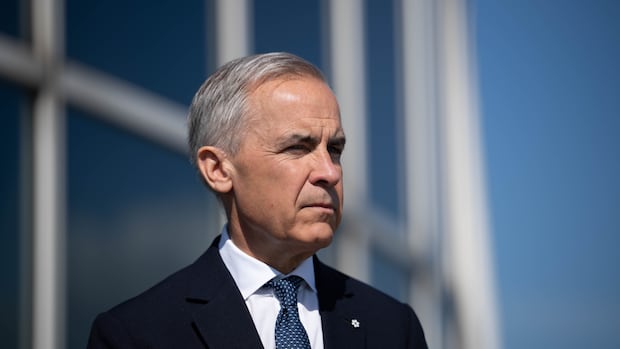
Prime Minister Mark Carney delivered a pointed message during his visit to British Columbia this week: the world faces a deepening energy crisis that demands immediate action, and Canada stands uniquely positioned to provide solutions. Meeting with BC Premier David Eby in Vancouver, Carney outlined an ambitious vision for expanding Canadian energy exports while strengthening domestic infrastructure.
The discussions come at a critical moment for Canadian energy policy, as global demand surges and geopolitical tensions continue disrupting traditional supply chains. Carney emphasized that Canada’s vast natural resources represent not just an economic opportunity but a moral imperative to help stabilize international energy markets.
Carney’s Vision for Canadian Energy Leadership
Expanding Export Capacity to Meet Global Demand
During his meeting with Premier Eby, Carney stressed that Canada must dramatically increase its energy export capabilities to address what he characterized as an unprecedented global energy shortage. The Prime Minister pointed to rising demand from allies in Europe and Asia who seek reliable, ethically produced energy supplies.
“The world is facing an energy crisis, and Canada has the resources, the expertise, and the responsibility to help solve it,” Carney stated during a joint press conference with Eby.
The federal government’s strategy involves fast-tracking approvals for new liquefied natural gas (LNG) terminals, expanding pipeline capacity, and investing in renewable energy infrastructure. Carney indicated that cutting bureaucratic delays remains a top priority for his administration.
British Columbia’s Central Role in Energy Exports
Premier Eby welcomed the federal government’s renewed focus on energy development, noting that British Columbia serves as Canada’s primary gateway to Pacific markets. The province’s coastal access makes it strategically vital for LNG shipments to energy-hungry Asian economies.
The two leaders discussed accelerating construction timelines for proposed export facilities and improving coordination between federal and provincial regulatory bodies. Eby emphasized that any expansion must balance economic benefits with environmental protection and Indigenous rights.
“We’re committed to responsible development that creates good jobs for British Columbians while meeting our climate commitments,” Eby said.
Economic Implications of Energy Expansion
Job Creation and Regional Development
The proposed energy initiatives could generate tens of thousands of jobs across multiple sectors, including construction, engineering, transportation, and skilled trades. Northern and rural communities stand to benefit significantly from infrastructure investments associated with new pipelines and processing facilities.
Carney highlighted that energy sector employment offers wages substantially above the national average, providing pathways to middle-class prosperity for workers across the country. The federal government plans to partner with provinces and territories to ensure training programs prepare Canadians for these opportunities.
Industry analysts suggest that expanded energy exports could contribute billions to federal and provincial revenues annually. These funds could support public services, infrastructure improvements, and transition programs for workers in declining industries.
Balancing Energy Development with Climate Goals
Critics have questioned whether aggressive energy expansion aligns with Canada’s net-zero emissions targets for 2050. Environmental groups argue that increasing fossil fuel production contradicts international climate commitments and locks in carbon-intensive infrastructure for decades.
Carney addressed these concerns by emphasizing the role of carbon capture technology, methane reduction initiatives, and investments in clean energy alternatives. The Prime Minister framed Canadian energy exports as a transitional solution that displaces dirtier energy sources in importing countries.
“Canadian natural gas replacing coal in Asia represents a significant reduction in global emissions,” Carney argued. “We can be part of the climate solution while meeting the world’s energy needs.”
Indigenous Partnerships and Consultation
Ensuring Meaningful Participation
Both Carney and Eby acknowledged that Indigenous communities must serve as genuine partners in energy development, not merely stakeholders to be consulted. Several First Nations in British Columbia have expressed interest in equity ownership stakes in proposed projects, a model that has gained traction in recent years.
The federal government committed to upholding free, prior, and informed consent principles enshrined in the United Nations Declaration on the Rights of Indigenous Peoples (UNDRIP). Carney indicated that projects lacking Indigenous support would face significant obstacles to federal approval.
Recent examples of Indigenous-led energy initiatives demonstrate that economic reconciliation can proceed alongside resource development. Some First Nations have become majority owners in pipeline projects, creating generational wealth while maintaining environmental stewardship of traditional territories.
Infrastructure Challenges and Timeline
Addressing Bottlenecks in Energy Transportation
Canada’s ability to capitalize on global energy demand depends heavily on resolving persistent infrastructure bottlenecks that have constrained export capacity for years. Existing pipelines operate near full capacity, limiting the country’s ability to respond quickly to international market opportunities.
Carney announced plans to streamline environmental assessments without compromising review quality, potentially cutting approval timelines by months or years. The federal government also pledged increased funding for port expansions, rail improvements, and electricity grid upgrades necessary to support energy sector growth.
Provincial cooperation remains essential for these infrastructure improvements. The Prime Minister’s meeting with Eby signals a collaborative approach that could accelerate project development compared to previous federal-provincial tensions over resource policy.
Realistic Expectations for Project Completion
Industry experts caution that major energy infrastructure projects typically require five to ten years from initial planning to full operation. Even with streamlined approvals, Canada cannot immediately increase export capacity to meet current global demand.
The federal government’s strategy focuses on creating regulatory certainty that encourages private investment while fast-tracking projects already in advanced planning stages. Several LNG proposals in British Columbia could reach final investment decisions within the next year if federal and provincial governments align their approval processes.
Prime Minister Carney’s British Columbia visit underscores the federal government’s commitment to positioning Canada as a global energy leader during a period of unprecedented international demand. The partnership between Ottawa and Victoria could unlock significant economic benefits while addressing legitimate concerns about environmental protection and Indigenous rights.
