


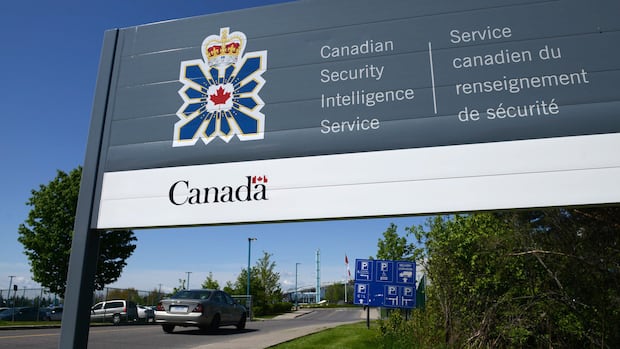
Federal Officials Scramble to Defend Controversial Surveillance Legislation
Federal officials in Canada find themselves increasingly on the defensive as opposition mounts against the proposed Canada lawful access bill. The legislation, which would grant law enforcement expanded powers to access digital communications and subscriber data, has sparked fierce debate about privacy rights and government overreach.
Critics from across the political spectrum have united against key provisions of the bill, arguing that it threatens fundamental civil liberties in the digital age. As public pressure intensifies, government representatives are working overtime to address mounting concerns while maintaining that the legislation remains essential for modern policing.
What the Lawful Access Legislation Proposes
The controversial surveillance bill aims to modernize Canada’s investigative framework by requiring internet service providers and telecommunications companies to build interception capabilities into their networks. Under the proposed law, authorities could compel companies to hand over basic subscriber information without a warrant.
Proponents argue these tools are necessary to combat cybercrime, child exploitation, and terrorism in an increasingly digital world. Law enforcement agencies have long complained that existing laws have not kept pace with technological advances, leaving them unable to effectively investigate serious crimes.
However, privacy advocates contend the legislation goes far too far. The bill would essentially create a warrantless surveillance framework that contradicts established constitutional protections, according to legal experts who have analyzed the proposed measures.
Privacy Advocates Sound the Alarm
Civil liberties organizations have mobilized aggressively against the lawful access proposal. The Canadian Civil Liberties Association and other watchdog groups warn that the bill would fundamentally alter the relationship between citizens and the state.
Privacy advocates have argued in submissions to parliamentary committees that this legislation treats every Canadian as a potential suspect. The requirement for telecommunications providers to maintain interception capabilities represents a significant expansion of the surveillance state, critics maintain.
Digital rights organizations point to the lack of meaningful judicial oversight as particularly troubling. Without warrant requirements for basic subscriber data, police could potentially track individuals’ online activities with minimal accountability.
The Privacy Commissioner of Canada has also expressed serious reservations about certain provisions, calling for amendments that would strengthen safeguards and ensure proportionality between investigative needs and privacy rights.
Political Opposition Grows Across Party Lines
What makes the current pushback remarkable is its bipartisan nature. Opposition parties have found common ground in criticizing the government’s approach, with members from multiple political parties questioning whether adequate protections exist within the legislation.
Parliamentary committee hearings have featured pointed questioning of government officials, who have struggled to explain why existing judicial oversight mechanisms cannot adequately protect citizen privacy while still enabling legitimate investigations.
Backbench members from the governing party have also privately expressed concerns, according to sources familiar with internal caucus discussions. This internal dissent has complicated the government’s efforts to advance the legislation through Parliament.
The growing political resistance reflects broader public unease about government surveillance powers in the post-Snowden era. Canadians have become increasingly aware of digital privacy issues and more skeptical of assurances that expanded police powers will not be abused.
Technical Experts Challenge Implementation
Beyond privacy concerns, technology specialists have raised practical objections to the lawful access framework. Building mandatory interception capabilities into communications networks creates inherent cybersecurity vulnerabilities, experts warn.
Any backdoor created for law enforcement could potentially be exploited by malicious actors, including foreign governments and criminal hackers. This security risk affects not just individual users but critical infrastructure and business communications.
Internet service providers have also pushed back against compliance costs, arguing the government has not adequately addressed who will bear the financial burden of implementing required technical changes. Small and medium-sized providers warn the requirements could drive them out of business.
The technical community has broadly rejected claims that interception capabilities can be implemented without compromising overall network security. This consensus among cybersecurity professionals has strengthened the hand of legislative opponents.
Government Attempts to Reassure Critics
Facing this mounting opposition, federal officials have launched a charm offensive aimed at addressing concerns. Government representatives have emphasized that the legislation includes safeguards against abuse and that access to subscriber data would be limited to specific circumstances.
Officials point to oversight mechanisms built into the proposed law and argue that law enforcement modernization is essential for protecting Canadians from serious criminal threats. Without updated tools, police will increasingly find themselves unable to investigate crimes that have moved online.
The government has signaled potential openness to amendments, though critics argue proposed changes fall short of addressing fundamental problems with the legislation’s architecture. Negotiations continue behind closed doors as officials seek a path forward.
Some observers suggest the government may ultimately accept more substantial modifications to salvage the legislation’s core objectives while addressing the most serious privacy concerns.
What Happens Next
The fate of the Canada lawful access bill remains uncertain as momentum continues building against its most controversial provisions. Parliamentary procedures will determine the timeline for further debate and potential votes.
Privacy advocates are urging Canadians to contact their elected representatives and make their voices heard on this critical issue. Public engagement has already influenced the debate and could prove decisive in shaping the final outcome.
Whether the government can thread the needle between legitimate law enforcement needs and constitutional privacy protections will likely determine whether this legislation ultimately becomes law. The coming weeks and months will prove crucial for digital rights in Canada.
