


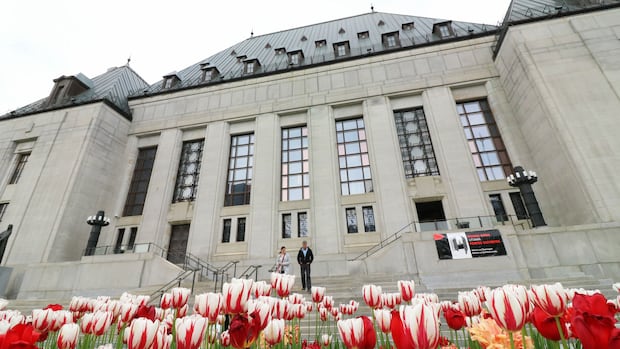
The Supreme Court of Canada has agreed to hear a landmark case that could reshape how Indigenous mineral rights Canada laws intersect with provincial authority. The decision, announced this week, grants British Columbia’s appeal in a dispute with the Gitxaała Nation over subsurface mineral rights and the province’s Declaration on the Rights of Indigenous Peoples Act (DRIPA).
This case represents one of the most significant legal battles over Aboriginal title and resource rights in recent Canadian history. The outcome could establish precedents affecting mining operations, Indigenous sovereignty, and provincial jurisdiction across the country.
Background: The Gitxaała Nation’s Legal Victory
How the Dispute Began
The Gitxaała Nation, whose traditional territory spans coastal British Columbia, launched legal action challenging the province’s claim to subsurface mineral rights within their territory. The Nation argued that Aboriginal title includes ownership of minerals beneath their lands—a position that contradicts long-standing provincial assumptions about Crown ownership.
In a groundbreaking decision, the British Columbia Court of Appeal sided with the Gitxaała Nation. The court ruled that Aboriginal title encompasses subsurface rights, potentially upending decades of mining law and resource management in the province.
The ruling sent shockwaves through Canada’s mining industry and prompted the B.C. government to seek intervention from the country’s highest court.
What the Appeal Court Decided
The B.C. Court of Appeal’s decision addressed two critical questions. First, it examined whether Aboriginal title extends below the surface to include minerals. Second, it considered the legal implications of DRIPA—legislation British Columbia enacted to align provincial law with the United Nations Declaration on the Rights of Indigenous Peoples (UNDRIP).
The appellate court determined that the Tsilhqot’in Nation v. British Columbia Supreme Court decision from 2014 supported a broader interpretation of Aboriginal title. That landmark ruling recognized Aboriginal title over specific lands for the first time but left questions about subsurface rights unresolved.
The Stakes: Why This Case Matters
Implications for Mining and Resource Extraction
Canada’s mining sector watches this case with intense interest. British Columbia hosts some of the country’s most valuable mineral deposits, including copper, gold, and critical minerals essential for clean energy technology.
If the Supreme Court upholds the appeal court’s decision, mining companies operating on lands subject to Aboriginal title claims may need to negotiate directly with Indigenous nations for mineral access. This shift could fundamentally alter the economics of resource extraction in British Columbia and potentially other provinces.
Industry groups have expressed concern about investment uncertainty. Indigenous rights advocates, however, argue that recognizing these rights simply corrects historical injustices and creates more equitable partnerships.
DRIPA’s Role in the Legal Landscape
The Declaration on the Rights of Indigenous Peoples Act adds another layer of complexity to this case. British Columbia became the first jurisdiction in Canada to pass legislation implementing UNDRIP principles in 2019.
DRIPA requires the province to align its laws with the UN declaration over time. Critics of the appeal court decision argue that judges interpreted DRIPA too broadly, effectively allowing it to override established provincial authority.
Supporters counter that DRIPA represents a commitment to reconciliation that courts must honor. The Supreme Court’s interpretation of this legislation will guide how other provinces approach similar frameworks.
Legal Arguments on Both Sides
British Columbia’s Position
The provincial government argues that the Court of Appeal erred in its interpretation of both Aboriginal title and DRIPA. B.C. maintains that subsurface mineral rights have historically belonged to the Crown and that this ownership predates Confederation.
Provincial lawyers contend that extending Aboriginal title to minerals would create administrative chaos and undermine the province’s ability to manage resources effectively. They also argue that DRIPA should not be interpreted as immediately transferring rights but rather as a framework for gradual reconciliation.
The Gitxaała Nation’s Defense
The Gitxaała Nation and their legal team argue that Aboriginal title must be understood holistically. Traditional Indigenous relationships with land, they contend, never distinguished between surface and subsurface—these concepts are colonial impositions.
The Nation points to the Delgamuukw v. British Columbia decision, which established that Aboriginal title is a right to the land itself, not merely to use it. They argue this logically includes everything within that land, minerals included.
Indigenous legal scholars have supported this interpretation, noting that limiting Aboriginal title to surface rights perpetuates the very dispossession that reconciliation aims to address.
What Happens Next
Timeline and Proceedings
The Supreme Court of Canada has not yet scheduled oral arguments, but proceedings typically occur within 12 to 18 months of granting leave to appeal. Both parties will submit extensive written briefs before appearing before the full court.
Interveners—third parties with relevant expertise or interests—will likely seek permission to participate. Mining associations, other Indigenous nations, provincial governments, and legal organizations may all request intervener status.
Potential Outcomes
The Supreme Court could rule in several ways. It might affirm the appeal court’s decision entirely, establishing that Aboriginal title includes mineral rights. Alternatively, it could overturn the ruling, maintaining provincial control over subsurface resources.
A middle-ground decision remains possible. The court might establish new tests for determining when Aboriginal title extends to minerals or clarify DRIPA’s scope without fully endorsing either party’s position.
Broader Context: Reconciliation and Resource Rights
This case arrives during a period of significant evolution in Indigenous rights litigation across Canada. Courts have increasingly recognized the need to interpret Aboriginal title generously, consistent with the honor of the Crown.
The federal government has also committed to implementing UNDRIP nationally through Bill C-15. Provincial and federal approaches to Indigenous rights increasingly emphasize consent-based decision-making rather than mere consultation.
However, tensions persist between economic development priorities and Indigenous sovereignty. This Supreme Court case will help define how Canada balances these interests moving forward.
