


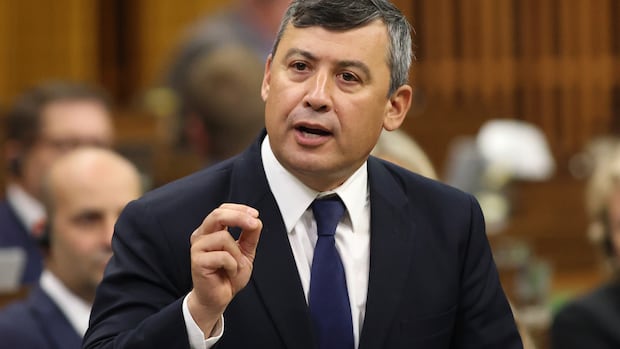
Conservative MP Michael Chong has embarked on a high-profile Taiwan trip designed to directly challenge Beijing’s diplomatic warnings and assert Canada’s right to engage with the self-governing island. The shadow foreign affairs minister’s visit represents a deliberate stance against Chinese pressure tactics that have long sought to isolate Taiwan from international engagement.
Chong’s decision to travel to Taipei comes amid heightened tensions in the Indo-Pacific region and follows years of strained Canada-China relations. The veteran parliamentarian has framed his visit as a matter of Canadian sovereignty, rejecting Beijing’s position that foreign officials should avoid contact with Taiwanese authorities.
Why This Taiwan Visit Matters for Canada-China Relations
The timing of Chong’s diplomatic mission carries significant weight. Canada-China relations have deteriorated sharply since the 2018 arrest of Huawei executive Meng Wanzhou in Vancouver and the subsequent detention of Canadians Michael Kovrig and Michael Spavor in China.
Chong himself has been a target of Chinese interference operations. In 2023, reports revealed that Beijing had allegedly sanctioned the Conservative MP and his family members in Hong Kong following his advocacy on human rights issues. This personal history adds another layer of significance to his Taiwan visit.
The trip signals that Canadian parliamentarians refuse to be intimidated by Beijing’s attempts to dictate who they can meet with and where they can travel.
Asserting Parliamentary Independence From Beijing’s Pressure
China considers Taiwan a breakaway province and routinely protests when foreign officials visit the island. Beijing has issued stern warnings to governments worldwide, demanding they adhere to its “One China” policy and avoid any actions that might suggest Taiwan operates as an independent nation.
Chong has explicitly rejected this framing. His office confirmed that the Taiwan diplomatic visit aims to demonstrate that Canada will not allow a foreign government to determine its international engagements.
“Canada is a sovereign nation,” Chong has emphasized in previous statements regarding Chinese interference. “We will decide for ourselves who we engage with.”
This position aligns with growing bipartisan sentiment in Ottawa that Canada must take a firmer stance against Chinese government pressure on democratic institutions.
Taiwan’s Strategic Importance in the Indo-Pacific
Taiwan occupies a critical position in global geopolitics and economics. The island nation produces over 90% of the world’s most advanced semiconductors, making it essential to global technology supply chains.
For Canada, strengthening ties with Taiwan serves multiple strategic interests:
- Economic diversification away from dependence on Chinese markets
- Technology partnerships in semiconductor and advanced manufacturing sectors
- Democratic solidarity with a fellow democracy facing authoritarian pressure
- Indo-Pacific engagement as Canada seeks to expand its presence in the region
Chong’s visit follows similar trips by legislators from the United States, European Union member states, and other democracies. These visits have collectively pushed back against Beijing’s attempts to diplomatically isolate Taiwan.
Conservative Foreign Policy and the China Question
The Conservative Party’s China policy has become increasingly hawkish in recent years. Party leader Pierre Poilievre has called for a tougher approach to Beijing, including stricter measures against Chinese interference in Canadian affairs.
Chong has been at the forefront of this shift. As shadow minister for foreign affairs, he has consistently advocated for:
- Banning Huawei from Canada’s 5G networks
- Strengthening foreign interference legislation
- Increasing support for pro-democracy movements in Hong Kong
- Deeper engagement with Taiwan and other regional democracies
His Taiwan trip puts these policy positions into action, demonstrating that a potential Conservative government would likely pursue a more confrontational approach to Canada-China relations.
Beijing’s Expected Response and Diplomatic Implications
China’s foreign ministry typically responds to such visits with strong condemnation. Previous trips by foreign legislators have triggered diplomatic protests, economic pressure, and threats of unspecified consequences.
However, the effectiveness of these warnings has diminished as more democracies choose to engage with Taiwan regardless of Beijing’s objections. The Chinese diplomatic pressure that once deterred such visits now often generates additional attention and support for Taiwan.
Canadian businesses operating in China may face scrutiny following Chong’s trip. However, analysts note that economic retaliation has often been selective and temporary, designed more for domestic Chinese audiences than as effective punishment.
Cross-Strait Tensions and Regional Security
Chong’s visit occurs against a backdrop of rising cross-strait tensions. China has increased military activities near Taiwan, including frequent air and naval incursions into the island’s defense identification zone.
The United States has responded by strengthening its security commitments to Taiwan, while encouraging allies to demonstrate solidarity with Taipei. Canada’s participation in this broader democratic coalition represents a significant evolution in its Indo-Pacific approach.
For Taiwan, visits from foreign parliamentarians provide crucial international legitimacy and domestic reassurance that the island has not been abandoned by the democratic world.
What This Means for Canadian Foreign Policy
Chong’s Taiwan trip represents more than a single diplomatic gesture. It signals a potential fundamental shift in how Canada approaches the China question and its role in the Indo-Pacific region.
Whether the current Liberal government or a future Conservative administration leads Canada, the trajectory appears clear: Ottawa is moving toward a more assertive posture that prioritizes democratic values and Canadian sovereignty over fears of Chinese retaliation.
For Canadians watching these developments, Chong’s visit underscores an important principle—that elected representatives will not allow foreign governments to dictate the terms of Canada’s international engagement. The coming weeks will reveal Beijing’s response, but the message from this Canadian MP Taiwan visit has already been delivered.
