


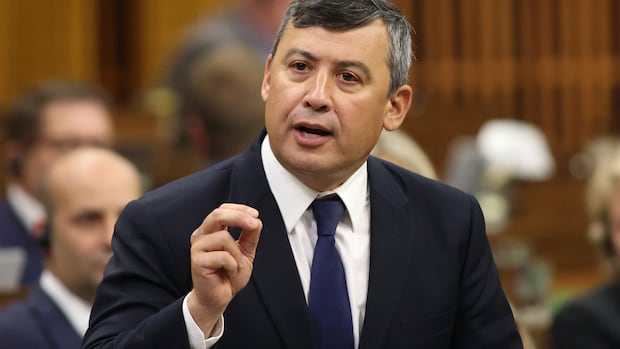
Conservative MP Michael Chong has embarked on a controversial Taiwan trip that directly challenges Beijing’s repeated warnings against official visits to the self-governing island. The Shadow Foreign Affairs Minister arrived in Taipei this week, marking one of the most high-profile Canadian parliamentary visits to Taiwan in recent years.
Chong’s decision to visit Taiwan comes amid escalating tensions between Canada and China, making this diplomatic move both symbolic and strategically significant. The trip represents a deliberate assertion of Canadian sovereignty and parliamentary independence, according to statements from the Conservative MP.
Why Michael Chong’s Taiwan Visit Matters
The timing of this visit carries substantial geopolitical weight. China considers Taiwan part of its territory and consistently opposes any official contact between foreign governments and Taiwanese authorities. Beijing has previously issued stern warnings to Canadian officials contemplating such visits.
Chong has been a frequent target of Chinese government pressure. In 2023, Canadian intelligence revealed that Beijing had allegedly targeted the MP and his family members in Hong Kong due to his outspoken criticism of China’s human rights record.
This history makes his Taiwan trip particularly defiant. Rather than backing down from Chinese pressure, Chong has doubled down on his stance by physically traveling to the island democracy.
Asserting Parliamentary Independence
Canada’s Right to Diplomatic Engagement
Chong has framed his visit as an assertion of Canadian sovereignty and the fundamental right of parliamentarians to travel freely. He emphasized that no foreign government should dictate where Canadian elected officials can or cannot go.
“Canada is a sovereign nation, and our parliamentarians will not be intimidated by foreign threats,” Chong stated regarding his travel plans. The Conservative MP argues that yielding to Chinese pressure would set a dangerous precedent for Canadian foreign policy independence.
Support from Fellow Parliamentarians
The Taiwan visit has garnered support from members across party lines who believe Canada must stand firm against foreign interference. Several Canadian MPs have previously visited Taiwan, though such trips often generate diplomatic protests from Beijing.
The Inter-Parliamentary Alliance on China (IPAC), of which Chong is a member, has consistently advocated for stronger ties between democratic nations and Taiwan. This network of legislators from various countries works to coordinate responses to challenges posed by the Chinese government.
China’s Expected Response
Beijing’s Standard Objections
China’s Ministry of Foreign Affairs typically issues sharp condemnations following any official visits to Taiwan by foreign politicians. Beijing views such trips as violations of the One China principle that most nations, including Canada, formally acknowledge.
Previous Canadian parliamentary visits to Taiwan have prompted diplomatic complaints and warnings about potential consequences for bilateral relations. China often characterizes these visits as interference in its internal affairs.
Potential Diplomatic Fallout
The relationship between Ottawa and Beijing has remained strained since the 2018 arrest of Huawei executive Meng Wanzhou in Vancouver and the subsequent detention of Canadians Michael Kovrig and Michael Spavor in China.
While those specific tensions have partially subsided, new friction points continue to emerge. Chong’s Taiwan trip adds another layer of complexity to an already challenging diplomatic relationship.
Taiwan’s Growing International Profile
Strengthening Democratic Alliances
Taiwan has actively cultivated relationships with parliamentarians from democratic nations as part of its strategy to maintain international support despite Beijing’s pressure. The island welcomes visits from foreign legislators as affirmations of its democratic legitimacy.
Taipei has invested significantly in parliamentary diplomacy, recognizing that grassroots political support in foreign capitals can translate into more robust unofficial relationships even where formal diplomatic ties don’t exist.
Canada-Taiwan Trade and Cultural Ties
Despite lacking official diplomatic relations, Canada and Taiwan maintain substantial economic and cultural connections. Bilateral trade exceeds several billion dollars annually, encompassing technology, agriculture, and manufactured goods.
These practical ties provide a foundation for continued engagement regardless of China’s objections. Canadian businesses operating in Taiwan benefit from the island’s advanced economy and strategic position in Asian supply chains.
Broader Implications for Canadian Foreign Policy
Balancing Act Continues
Chong’s visit highlights the ongoing tension in Canadian foreign policy between maintaining economic ties with China and supporting democratic values abroad. This balancing act has challenged successive Canadian governments regardless of political stripe.
The Conservative Party has generally advocated for a tougher stance on China compared to the governing Liberals, though both parties have faced criticism for their approaches to Beijing at various times.
Future Parliamentary Engagement
This Taiwan trip may encourage other Canadian MPs to consider similar visits, potentially normalizing such diplomatic contact despite Chinese objections. Parliamentary independence in foreign affairs remains a cornerstone of Canadian democratic practice.
The precedent set by Chong’s defiant visit could influence how future Canadian governments approach Taiwan relations and respond to pressure from authoritarian states more broadly.
Michael Chong’s Taiwan trip represents a significant statement about Canadian sovereignty and the refusal to bow to foreign intimidation. By visiting Taipei despite China’s warnings, the Conservative MP has reinforced the principle that democratic nations must support each other against authoritarian pressure. As Canada-China relations continue to evolve, such symbolic acts of defiance may become increasingly important in defining Ottawa’s foreign policy direction.
