


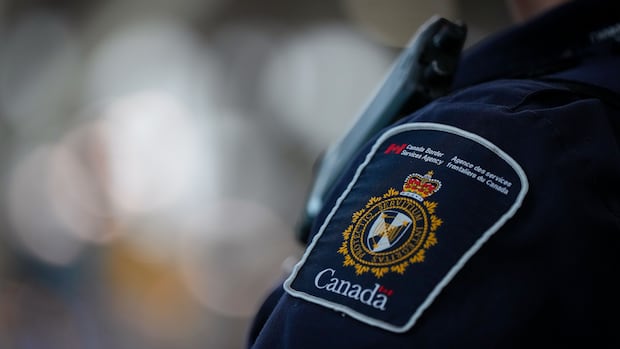
A major CBSA system outage disrupted international flights bound for Canada, causing significant boarding delays at airports worldwide. The Canada Border Services Agency confirmed the technical failure affected its advance passenger information systems, leaving airlines unable to process travelers heading to Canadian destinations.
The incident highlights the critical dependence of modern air travel on digital border security infrastructure. Passengers experienced frustrating delays as airlines scrambled to manage the situation while awaiting system restoration.
What Caused the CBSA Technical Failure?
The Canada Border Services Agency experienced a significant disruption to its Interactive Advance Passenger Information (IAPI) system on Saturday. This essential system allows airlines to verify passenger data against Canadian border security databases before boarding.
Without access to IAPI, airlines cannot confirm whether passengers have authorization to travel to Canada. The system checks traveler documents, visa status, and security clearances in real-time, making it indispensable for international flight operations.
CBSA acknowledged the outage but did not immediately disclose the root cause of the technical failure. The agency worked to restore services while airlines implemented contingency measures to minimize passenger impact.
How the Outage Affected International Travelers
Passengers on international flights to Canada faced boarding delays at departure airports across multiple countries. Airlines could not complete the mandatory pre-departure screening required by Canadian regulations.
The disruption created a ripple effect throughout global aviation networks. Flights experienced:
- Extended boarding times at international departure gates
- Delayed takeoffs affecting connecting passengers
- Uncertainty among travelers about flight status
- Increased workload for airline staff managing manual processes
Travelers took to social media to report their experiences, with many expressing frustration over the lack of immediate information from airlines and border authorities.
Airlines Respond to Border System Disruption
Major carriers operating routes to Canada activated emergency protocols during the border services outage. Airlines faced the challenging task of balancing passenger service with regulatory compliance.
Some carriers chose to delay boarding until systems came back online. Others worked directly with CBSA to find alternative verification methods for passenger manifests.
Air Canada, WestJet, and international carriers flying to Canadian airports all reported impacts from the system failure. The situation tested airline contingency planning and highlighted vulnerabilities in the interconnected aviation security framework.
CBSA’s Role in Aviation Security
The Canada Border Services Agency plays a crucial role in aviation security and border protection. The IAPI system represents a key component of Canada’s layered approach to screening travelers before they arrive on Canadian soil.
Under normal operations, IAPI processes thousands of passenger records daily. Airlines must submit traveler information, including passport details and flight data, before departure. The system then returns authorization responses within minutes.
This pre-screening capability allows CBSA officers to identify potential security concerns before flights depart. It also enables the agency to deny boarding to individuals deemed inadmissible to Canada.
The system outage temporarily eliminated this advance screening layer, though CBSA emphasized that arriving passengers would still undergo standard border processing upon landing in Canada.
Impact on Canadian Airports and Arrivals
While the outage primarily affected departing international flights, Canadian airports also prepared for potential complications. Border officers readied for increased manual processing requirements if system issues persisted.
Major Canadian airports including Toronto Pearson, Vancouver International, and Montreal-Trudeau serve as primary entry points for international travelers. Any disruption to advance screening systems can create cascading delays at arrival processing.
Airport authorities monitored the situation closely and coordinated with CBSA to ensure adequate staffing levels. The goal remained minimizing wait times for travelers while maintaining security standards.
System Restoration and Recovery Efforts
CBSA technical teams worked to restore the IAPI system and return operations to normal. The agency provided updates as recovery efforts progressed throughout the day.
Once systems came back online, airlines began processing delayed passengers and working to return flight schedules to normal operations. Some residual delays continued as carriers cleared backlogs of travelers waiting for boarding authorization.
The incident prompted questions about system redundancy and backup protocols for critical border security infrastructure. Aviation industry observers noted that similar outages have affected other countries, suggesting the need for improved resilience across global systems.
What Travelers Should Know Going Forward
Passengers planning international travel to Canada should monitor flight status updates during any reported system disruptions. Arriving at the airport early provides additional buffer time when technical issues arise.
Travelers can take several steps to prepare:
- Download airline apps for real-time notifications
- Check CBSA social media accounts for official updates
- Ensure all travel documents remain easily accessible
- Build extra time into connection itineraries
- Contact airlines directly for rebooking assistance if needed
The CBSA system outage serves as a reminder of how dependent modern air travel has become on digital infrastructure. While the agency worked to restore services, passengers experienced the real-world consequences of technical failures in border security systems.
Travelers heading to Canada should stay informed about potential disruptions and maintain flexibility in their plans. For the latest updates on Canadian border services and travel requirements, monitor official government channels and airline communications.
