


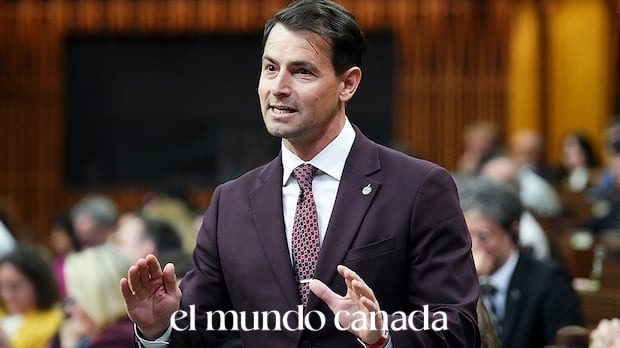
The Canadian federal government has announced a significant investment totaling $22.8 million for Indigenous sport programs. This substantial financial commitment aims to strengthen sport programs and physical activity initiatives for Indigenous communities across the nation.
The announcement marks a pivotal moment for Indigenous athletes, coaches, and community organizations seeking greater access to athletic opportunities. With this funding injection, the government signals its commitment to addressing longstanding disparities in sport participation and development among First Nations, Inuit, and Métis peoples.
Breaking Down the $22.8 Million Investment
Where the Money Will Go
The federal funding package targets multiple areas within the Indigenous sport ecosystem. The investment will support grassroots programming, elite athlete development, and community-based physical activity initiatives.
Sport Canada, the federal body responsible for the allocation, has structured the funding to reach organizations at various levels. Provincial and territorial Indigenous sport bodies will receive portions of this investment to deliver programs tailored to their specific community needs.
The funding also addresses infrastructure gaps that have historically limited Indigenous participation in organized sports. Equipment purchases, facility access, and transportation costs represent significant barriers that this investment aims to reduce.
Timeline and Distribution
The $22.8 million will flow through established Indigenous sport organizations over the coming years. These bodies have demonstrated track records of delivering effective programming to their communities.
Recipients include the Aboriginal Sport Circle, which serves as the national voice for Indigenous sport development. Regional organizations will also benefit, ensuring the funding reaches remote and northern communities often overlooked by mainstream sport initiatives.
Why Indigenous Sport Funding Matters
Addressing Historical Inequities
Indigenous communities have faced systemic barriers to sport participation for generations. Limited access to facilities, equipment shortages, and geographic isolation have prevented many Indigenous youth from pursuing athletic interests.
This federal sport investment represents more than financial support. It acknowledges the cultural importance of physical activity within Indigenous traditions and the role sport plays in community health and youth development.
Research consistently shows that Indigenous youth face higher rates of health challenges compared to non-Indigenous Canadians. Sport programs offer proven pathways to improved physical and mental wellness outcomes.
Building Pathways to Elite Competition
Beyond community recreation, the funding supports Indigenous athletes pursuing competitive careers. The investment will help identify talented athletes and provide them with coaching, training, and competition opportunities.
Canada has seen Indigenous athletes achieve remarkable success on national and international stages. However, many promising athletes have struggled to access the development systems available to their non-Indigenous peers.
This funding aims to create more equitable pathways from community sport to elite competition. By investing at multiple levels, the government hopes to nurture the next generation of Indigenous athletic champions.
Community Reactions and Expectations
Indigenous Sport Leaders Respond
Indigenous sport organizations have welcomed the announcement while emphasizing the need for sustained, long-term commitment. Leaders stress that meaningful change requires consistent funding rather than one-time investments.
The Aboriginal Sport Circle and its member organizations have advocated for increased federal support for decades. This announcement represents progress toward their goals, though many argue additional resources remain necessary.
Community leaders highlight that Indigenous physical activity programs deliver benefits extending far beyond athletic achievement. These initiatives strengthen cultural connections, build leadership skills, and create positive social environments for youth.
Measuring Success
The effectiveness of this investment will ultimately depend on implementation and accountability measures. Indigenous sport bodies have called for community-led approaches that respect local priorities and cultural practices.
Successful outcomes will include increased participation rates, improved competitive results, and enhanced community wellness indicators. Tracking these metrics will help determine whether the funding achieves its intended impact.
The Broader Context of Indigenous Sport in Canada
Recent Developments
This announcement follows several years of growing attention to Indigenous sport issues. The Truth and Reconciliation Commission’s Calls to Action specifically addressed sport and recreation as areas requiring government action.
Previous federal investments have supported initiatives like the North American Indigenous Games and various provincial championship events. The current funding builds upon these foundations while expanding reach and scope.
Looking Ahead
Indigenous sport advocates view this investment as a step toward larger goals. Complete equity in sport access and opportunity will require ongoing commitment from all levels of government.
The Canadian Indigenous athletics landscape continues evolving as communities develop innovative programming models. This funding provides resources to scale successful approaches and experiment with new initiatives.
Future investments may address remaining gaps, including coach training, official development, and governance capacity within Indigenous sport organizations.
The federal government’s $22.8 million investment in Indigenous sport programs represents a meaningful commitment to addressing historical inequities. This initiative will support community programming, elite athlete development, and organizational capacity building across the country. While Indigenous sport leaders welcome the announcement, they emphasize the importance of sustained support to achieve lasting change.
