


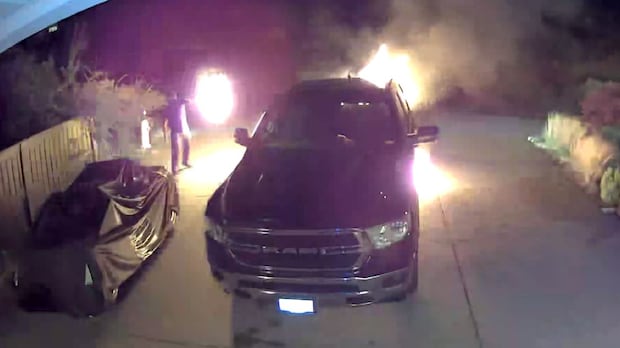
A Canadian immigration tribunal has issued a deportation order against a convicted shooter linked to the Bishnoi gang following his involvement in a high-profile attack at the home of Punjabi music star AP Dhillon. The decision marks a significant development in Canada’s ongoing efforts to combat transnational organized crime networks operating within its borders.
Amandeep Kingra, who pleaded guilty to firearms offenses related to the September 2024 shooting at Dhillon’s luxury Abbotsford residence, now faces removal from Canada after serving his criminal sentence. The case has drawn international attention due to its connection to Lawrence Bishnoi, India’s most notorious gangster currently imprisoned but allegedly orchestrating crimes across multiple continents.
Details of the AP Dhillon Shooting Incident
The attack occurred on September 2, 2024, when gunmen fired multiple shots at AP Dhillon’s British Columbia home in a brazen display of gang intimidation. Security footage captured two suspects approaching the property and discharging firearms before fleeing the scene.
Kingra, identified as one of the shooters, was arrested shortly after the incident. He subsequently pleaded guilty to reckless discharge of a firearm and possession of a weapon for a dangerous purpose. A British Columbia court sentenced him to time served plus additional supervision.
The shooting sent shockwaves through the South Asian music community and raised serious questions about the reach of Indian organized crime networks into Canadian suburbs.
Immigration Tribunal’s Deportation Decision
The Immigration Division of the Immigration and Refugee Board of Canada determined that Kingra is inadmissible to the country on grounds of serious criminality. The tribunal found sufficient evidence linking him to organized criminal activity beyond the immediate firearms charges.
According to tribunal documents, Kingra’s actions demonstrated a clear connection to transnational criminal enterprises. The decision emphasized that individuals who participate in gang-related violence pose an unacceptable risk to Canadian public safety.
Immigration officials noted that Kingra entered Canada as a temporary resident. His criminal convictions automatically triggered an admissibility review under the Immigration and Refugee Protection Act. The deportation order requires him to leave Canada upon completing any remaining terms of his sentence.
The Bishnoi Gang’s International Operations
The Lawrence Bishnoi criminal network has emerged as one of the most sophisticated transnational crime organizations targeting Canadian soil. Despite Bishnoi’s imprisonment in India, investigators believe he continues directing operations through encrypted communications and trusted lieutenants.
The gang has allegedly orchestrated numerous violent incidents across Canada, including:
- The assassination of Sikh separatist leader Hardeep Singh Nijjar in June 2023
- Multiple shootings targeting individuals with perceived connections to rival groups
- Extortion campaigns against prominent South Asian celebrities and business figures
Canadian law enforcement agencies have intensified cooperation with international partners to disrupt these networks. The RCMP and India’s National Investigation Agency have exchanged intelligence regarding Bishnoi-linked operatives.
Threats Against AP Dhillon and Celebrity Extortion
AP Dhillon, whose real name is Amritpal Singh Dhillon, has faced ongoing threats from the Bishnoi organization. Shortly after the Abbotsford shooting, the gang publicly demanded the artist pay extortion money and issue an apology through social media.
The Punjabi singer, known for international hits like “Excuses” and “Brown Munde,” has maintained a defiant stance against the threats. His security team has significantly increased protective measures since the attack.
The targeting of South Asian entertainers by criminal organizations represents a disturbing trend. Several prominent artists have reported receiving extortion demands linked to the Bishnoi network. Authorities believe these campaigns generate significant revenue for the criminal organization while simultaneously building its fearsome reputation.
Canada’s Response to Transnational Gang Violence
Canadian officials have faced mounting pressure to address the infiltration of international criminal networks into the country. The AP Dhillon case highlights vulnerabilities in border security and immigration screening processes.
Public Safety Canada has announced enhanced measures to identify and remove individuals connected to foreign organized crime. These efforts include:
- Improved information sharing with international law enforcement
- Strengthened inadmissibility provisions for gang affiliates
- Increased resources for investigating transnational criminal activity
Immigration Minister officials have emphasized that Canada will not serve as a safe haven for those who perpetrate violence on behalf of foreign criminal enterprises. The deportation of convicted offenders sends a clear message about consequences.
Legal Implications and Appeal Rights
Kingra retains the right to appeal the deportation order through the Immigration Appeal Division. However, legal experts suggest that serious criminality findings significantly limit appeal options.
If the deportation proceeds, Kingra would face a permanent bar from returning to Canada. Indian authorities may also pursue charges related to his alleged gang involvement upon his return.
The case establishes important precedent for handling gang-affiliated foreign nationals convicted of violent crimes in Canada. Immigration lawyers anticipate similar proceedings against other individuals linked to transnational criminal networks.
The deportation order against Amandeep Kingra represents a decisive step in Canada’s fight against Bishnoi gang operations within its borders. As authorities continue investigating transnational criminal networks, this case demonstrates the serious immigration consequences awaiting those who participate in organized crime violence. Residents concerned about gang activity in their communities should report suspicious behavior to local law enforcement or Crime Stoppers.
