


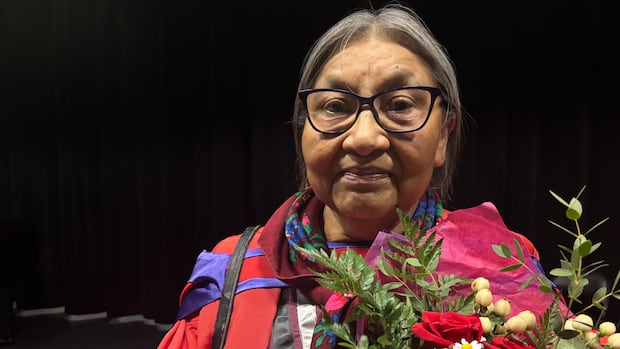
Elizabeth Chicken Benuen has made history once again. The trailblazing healthcare professional, recognized as Labrador’s first Innu nurse, recently received an honorary doctor of laws degree from Memorial University of Newfoundland. This prestigious recognition celebrates decades of dedicated service to Indigenous healthcare and community wellness in remote northern communities.
The Innu nurse honorary doctorate represents more than personal achievement. It symbolizes the growing recognition of Indigenous healthcare leaders who have spent their careers bridging traditional knowledge with modern medicine while serving some of Canada’s most underserved populations.
A Pioneering Career in Indigenous Healthcare
Breaking Barriers in Nursing
Elizabeth Chicken Benuen began her nursing career at a time when Indigenous women faced significant barriers in professional healthcare fields. Growing up in the Innu community of Sheshatshiu, Labrador, she witnessed firsthand the healthcare challenges facing her people.
Her decision to pursue nursing was revolutionary for her community. Benuen became a role model for countless Indigenous youth considering careers in healthcare.
Throughout her career, she worked tirelessly in nursing stations across Labrador. She provided essential medical care to remote communities often isolated from mainstream healthcare services.
Decades of Service to Remote Communities
Benuen’s professional journey spans several decades of frontline healthcare delivery. She served communities where access to medical professionals remained extremely limited.
Her work involved more than treating illnesses. She became a cultural bridge, helping non-Indigenous healthcare workers understand Innu traditions and beliefs surrounding health and healing.
Remote nursing stations in Labrador face unique challenges. Harsh weather conditions, geographic isolation, and limited resources demand exceptional dedication from healthcare providers. Benuen met these challenges throughout her career with unwavering commitment.
The Honorary Doctorate Recognition
Memorial University’s Tribute
Memorial University of Newfoundland bestowed the honorary doctor of laws degree during a recent convocation ceremony. The university recognized Benuen’s outstanding contributions to healthcare, Indigenous rights, and community service.
Honorary doctorates from Canadian universities acknowledge individuals who have made exceptional contributions to society. This recognition places Benuen among distinguished leaders across various fields.
The ceremony celebrated not only Benuen’s professional achievements but also her role as a community elder and knowledge keeper. Her influence extends far beyond clinical nursing practice.
Significance for Indigenous Communities
This recognition carries profound meaning for Indigenous communities across Newfoundland and Labrador. It acknowledges the vital role Indigenous healthcare workers play in serving their own communities.
The honorary degree also highlights the importance of culturally appropriate healthcare delivery. Indigenous nurses like Benuen understand the cultural contexts that influence health outcomes in their communities.
Young Innu people now have a powerful example of professional achievement. Benuen’s recognition demonstrates that Indigenous individuals can reach the highest levels of professional acknowledgment while maintaining strong connections to their cultural identity.
Impact on Indigenous Healthcare in Canada
Addressing Healthcare Disparities
Indigenous communities across Canada continue facing significant healthcare disparities. Remote northern communities often lack adequate medical facilities and personnel.
Healthcare professionals like Benuen have worked to address these gaps throughout their careers. Their understanding of both Western medicine and traditional Indigenous healing practices creates unique value in healthcare delivery.
The recognition of Indigenous healthcare leaders helps draw attention to ongoing challenges. It also celebrates the solutions that community members themselves have developed over decades.
Cultural Competency in Medicine
Benuen’s career exemplifies the importance of cultural competency in healthcare. Understanding patient backgrounds, beliefs, and traditions significantly improves health outcomes.
Indigenous nurses bring irreplaceable perspectives to healthcare teams. They can communicate effectively with patients in their own languages and understand cultural factors affecting health decisions.
Medical schools and nursing programs across Canada increasingly recognize this value. Many institutions now incorporate Indigenous health perspectives into their curricula.
Legacy and Continuing Influence
Mentoring Future Generations
Beyond her clinical work, Benuen has influenced countless young people considering healthcare careers. Her example proves that Indigenous individuals can achieve professional excellence while serving their communities.
Mentorship remains crucial for increasing Indigenous representation in healthcare professions. Role models like Benuen inspire young people to pursue challenging educational paths.
The nursing profession in Canada needs more Indigenous practitioners. Communities benefit when healthcare providers share cultural backgrounds and understand local contexts.
Preserving Traditional Knowledge
Benuen’s work has also contributed to preserving traditional Innu knowledge about health and healing. This knowledge represents invaluable cultural heritage that complements modern medical practices.
Indigenous healing traditions offer holistic approaches to wellness. They address mental, spiritual, and physical health in interconnected ways that Western medicine sometimes overlooks.
The integration of traditional and modern healthcare approaches shows promise for improving outcomes in Indigenous communities. Healthcare leaders like Benuen demonstrate how this integration can work effectively.
Elizabeth Chicken Benuen’s honorary doctor of laws degree celebrates a lifetime of groundbreaking service to Indigenous healthcare in Labrador. Her journey from Sheshatshiu to receiving one of Canada’s highest academic honors inspires future generations of Indigenous healthcare professionals. As communities continue working to address healthcare disparities, leaders like Benuen light the path forward. Her recognition reminds us that meaningful change often comes from those who understand their communities most deeply.
