


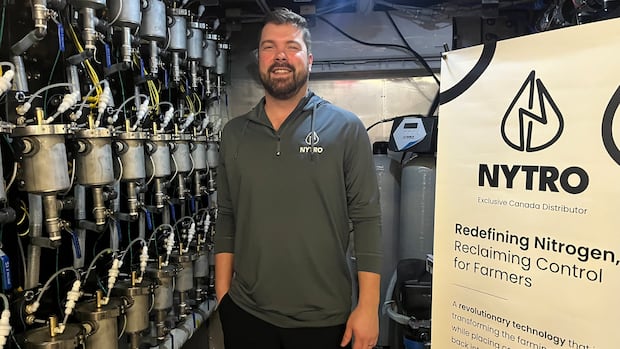
Canadian researchers have developed a groundbreaking climate-friendly fertilizer technology that replicates the natural process of lightning to produce nitrogen-rich plant nutrients. This innovative approach could revolutionize agricultural practices while dramatically reducing greenhouse gas emissions and production costs for farmers worldwide.
The technology, developed by a Canadian startup, harnesses electrical energy to convert atmospheric nitrogen into a usable fertilizer form—mimicking a process that nature has performed for billions of years during thunderstorms.
How Lightning Creates Natural Fertilizer
When lightning strikes, it generates enough energy to break apart nitrogen molecules in the atmosphere. These nitrogen atoms then combine with oxygen to form nitrogen oxides, which eventually dissolve in rainwater and fall to Earth as a natural fertilizer.
Scientists have long understood this phenomenon. However, recreating it at scale for agricultural purposes remained elusive until recent technological breakthroughs made the process economically viable.
The new system uses plasma technology to simulate lightning conditions in a controlled environment. This allows producers to generate nitrogen fertilizer on-site at farms, eliminating the need for energy-intensive industrial production methods.
The Environmental Impact of Traditional Fertilizer Production
Conventional fertilizer manufacturing relies heavily on the Haber-Bosch process, developed over a century ago. While this method transformed global food production, it comes with significant environmental costs.
The Haber-Bosch process consumes approximately 1-2% of global energy production annually. It also accounts for roughly 1.4% of worldwide carbon dioxide emissions, making fertilizer production one of the most carbon-intensive industrial activities on the planet.
Traditional ammonia-based fertilizers require:
- Natural gas as a primary feedstock
- Extremely high temperatures and pressures
- Centralized production facilities
- Long-distance transportation to farms
Each of these factors contributes to the substantial carbon footprint associated with modern agriculture’s reliance on synthetic fertilizers.
Canadian Innovation Leads the Way
The Canadian company behind this sustainable agriculture technology has developed modular units that farmers can install directly on their properties. These systems use renewable electricity to power the plasma reactors, creating a truly green fertilizer production cycle.
According to researchers involved in the project, the technology could reduce fertilizer-related emissions by up to 90% compared to conventional methods. For farmers, this translates to both environmental benefits and potential cost savings.
The on-site production model eliminates transportation costs and reduces dependency on volatile global fertilizer markets. Recent supply chain disruptions and price spikes have highlighted the vulnerability of farmers who rely entirely on imported fertilizers.
Benefits for Canadian Farmers
Canadian agricultural producers face unique challenges, including harsh weather conditions, remote locations, and increasing pressure to adopt sustainable farming methods. The lightning-mimicking technology addresses several of these concerns simultaneously.
Cost Reduction Potential
Farmers could see significant savings by producing fertilizer on-site. The technology eliminates middlemen, transportation costs, and exposure to international price fluctuations that have plagued the agricultural sector in recent years.
Energy Independence
When paired with solar or wind power installations, the plasma fertilizer systems can operate almost entirely off-grid. This independence proves particularly valuable for remote farming operations in Canada’s vast agricultural regions.
Regulatory Compliance
As governments worldwide implement stricter agricultural emissions regulations, early adopters of green fertilizer technology position themselves ahead of compliance requirements. Canadian farmers using this system may qualify for environmental incentives and carbon credits.
Scientific Backing and Future Potential
The plasma-based nitrogen fixation technology builds on decades of scientific research. Multiple studies have demonstrated the viability of using electrical discharges to produce nitrogen compounds suitable for plant nutrition.
Researchers note that the process creates nitrate-based fertilizers, which plants can absorb more efficiently than some traditional formulations. This improved uptake efficiency means farmers may need to apply less product overall to achieve the same crop yields.
The technology also opens possibilities for precision agriculture applications. On-site production allows farmers to adjust fertilizer formulations based on real-time soil testing and crop needs, potentially reducing over-application and nutrient runoff that damages waterways.
Challenges and Considerations
Despite its promise, the lightning-mimicking fertilizer technology faces several hurdles before widespread adoption becomes reality.
Initial Investment Costs
The upfront expense of purchasing and installing plasma fertilizer units remains substantial. While operational savings may offset these costs over time, smaller farming operations could struggle to access the necessary capital.
Scalability Questions
Current systems produce fertilizer at rates suitable for small to medium-sized farms. Whether the technology can scale to meet the needs of large commercial agricultural operations remains under investigation.
Technical Expertise Requirements
Operating and maintaining plasma-based systems requires specialized knowledge. Training programs and technical support infrastructure will need expansion as adoption grows.
The Road Ahead for Green Fertilizer
Industry analysts predict that climate-friendly fertilizer technology will capture an increasing market share as environmental regulations tighten and renewable energy costs continue falling. The combination of economic and ecological benefits creates a compelling case for agricultural innovation.
Government support programs in Canada and other countries increasingly prioritize sustainable agriculture solutions. This policy environment could accelerate adoption of lightning-mimicking fertilizer systems and similar technologies.
For Canadian farmers weighing their options, the technology represents both an opportunity and a calculated risk. Early adopters may gain competitive advantages, while those who wait could benefit from improved systems and lower costs as the technology matures.
Conclusion
The development of plasma-based fertilizer technology marks a significant step toward sustainable agriculture that benefits both farmers and the environment. By mimicking nature’s lightning-driven nitrogen fixation, Canadian innovators have created a pathway to reduce emissions, cut costs, and increase farming independence. As climate pressures mount and traditional fertilizer markets remain volatile, this technology deserves serious consideration from forward-thinking agricultural producers.
