


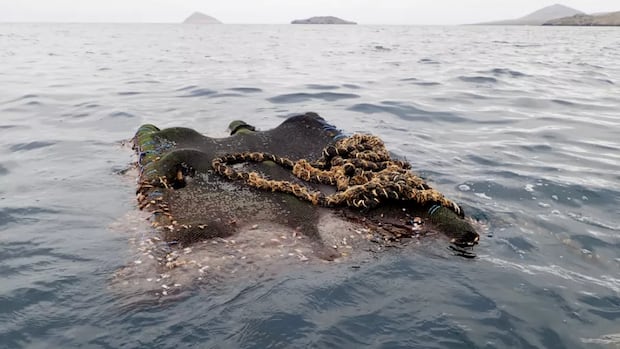
Thousands of fish aggregating devices abandoned by tuna fishers are drifting into the world’s most protected ocean sanctuaries, creating a significant FAD fishing ocean pollution crisis that threatens vulnerable marine wildlife. A groundbreaking new study reveals that this discarded fishing gear accumulates in marine protected areas at alarming rates, undermining global conservation efforts.
The research, published in the journal Nature Sustainability, tracked these drifting devices across the Pacific Ocean and found they pose serious risks to sharks, sea turtles, and other endangered species seeking refuge in protected waters.
What Are Fish Aggregating Devices?
Fish aggregating devices, commonly known as FADs, are floating objects that tuna fishing fleets deploy to attract fish. These structures exploit a natural behavior—many ocean species instinctively gather beneath floating debris.
Modern industrial FADs typically consist of bamboo rafts equipped with GPS trackers, sonar technology, and large underwater nets or mesh panels. Fishing vessels deploy these devices by the thousands, later returning to harvest the tuna schools that congregate beneath them.
The problem begins when fishing companies abandon these devices. Whether due to equipment malfunction, economic calculations, or simple neglect, countless FADs become marine debris drifting wherever ocean currents carry them.
Alarming Findings From the Pacific Study
Researchers from multiple international institutions analyzed tracking data from over 100,000 drifting FADs deployed in the Pacific Ocean between 2016 and 2023. Their findings paint a troubling picture of industrial fishing’s hidden environmental cost.
FADs Accumulate in Protected Waters
The study discovered that approximately 15% of all tracked FADs eventually drifted into marine protected areas. These sanctuaries, established specifically to shelter ocean wildlife from human exploitation, are now collecting abandoned fishing equipment.
The Papahānaumokuākea Marine National Monument near Hawaii and the Phoenix Islands Protected Area in the central Pacific showed particularly high concentrations of stranded FADs. Both represent some of Earth’s largest marine conservation zones.
Wildlife Entanglement Risks
Abandoned FADs don’t simply float harmlessly. The underwater netting and mesh components create deadly entanglement hazards for marine animals.
Sea turtles, already facing numerous survival threats, become trapped in FAD netting while searching for food or shelter. Sharks, seabirds, and marine mammals face similar dangers. Researchers documented evidence of entanglement events involving endangered species in multiple protected areas.
The Scale of the Problem
The tuna fishing industry deploys an estimated 100,000 FADs annually across global oceans. While regulations require some tracking and retrieval efforts, enforcement remains inconsistent, and many devices simply disappear from company inventories.
Economic Incentives Drive Abandonment
For fishing companies, FADs represent relatively inexpensive tools compared to their catch value. When devices malfunction, drift outside profitable fishing zones, or become inconvenient to retrieve, abandonment often makes economic sense.
A single FAD costs between $500 and $1,500 to construct and deploy. The tuna harvest it facilitates can generate revenues many times that amount. This cost-benefit calculation discourages expensive retrieval operations.
Ghost Fishing Continues for Years
Even after abandonment, FADs continue attracting fish—a phenomenon researchers call ghost fishing. Marine life congregates beneath drifting devices, sometimes following them for hundreds of miles away from natural habitats and feeding grounds.
This artificial aggregation disrupts normal migration patterns and can lead fish populations into areas with fewer food resources or greater predation risks.
Implications for Marine Conservation
The study’s authors argue their findings expose a significant gap in ocean protection strategies. Establishing marine protected areas accomplishes little if industrial fishing pollution flows freely across sanctuary boundaries.
Policy Recommendations
Researchers propose several reforms to address FAD pollution:
Mandatory retrieval requirements would hold fishing companies financially responsible for recovering deployed devices. Deposit systems, similar to bottle return programs, could create economic incentives for retrieval.
Biodegradable FAD designs offer another promising solution. Several manufacturers now produce devices using natural materials that break down harmlessly if lost. However, adoption remains limited without regulatory mandates.
Improved tracking and accountability systems would help regulators monitor FAD deployments and identify companies with high abandonment rates. Current tracking requirements vary significantly between regional fisheries management organizations.
Industry Response and Challenges
Some segments of the tuna industry have acknowledged the FAD pollution problem and begun voluntary reform efforts. The International Seafood Sustainability Foundation, representing major tuna processors, has promoted best practices for FAD management.
However, critics argue voluntary measures prove insufficient given the scale of the problem. Without binding international regulations, companies prioritizing short-term profits face no meaningful consequences for abandoning gear.
Enforcement Difficulties
Even where FAD regulations exist, enforcement presents enormous challenges. The Pacific Ocean spans 60 million square miles, making comprehensive monitoring practically impossible with current resources.
Fishing vessels operate far from port, often in international waters where jurisdiction remains ambiguous. Proving which company abandoned a specific FAD requires tracking data that operators sometimes manipulate or disable.
The Broader Ocean Debris Crisis
FAD pollution represents just one component of the larger marine debris problem threatening ocean ecosystems. Abandoned, lost, and discarded fishing gear—collectively termed ghost gear—accounts for an estimated 10% of all ocean plastic pollution.
Nets, lines, traps, and FADs from fishing operations kill an estimated 136,000 seals, sea lions, and large whales annually, along with countless fish, turtles, and seabirds. This equipment persists in marine environments for decades, continuously threatening wildlife.
Conclusion
The discovery that abandoned FADs accumulate in marine protected areas underscores the interconnected nature of ocean conservation challenges. Protecting specific ocean zones accomplishes little when industrial fishing pollution drifts freely across sanctuary boundaries, highlighting the urgent need for comprehensive international action.
