


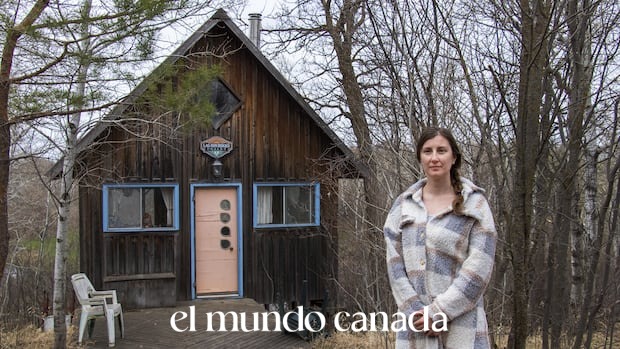
A proposed St. Leon wind farm expansion in southern Manitoba has ignited debate among local residents who fear the project could dramatically alter their rural community. Pattern Energy, the company behind the existing wind facility, plans to add up to 30 new turbines to the landscape near the small village of St. Leon, located approximately 150 kilometers southwest of Winnipeg.
The expansion proposal has prompted concerned citizens to voice opposition at public meetings, citing potential impacts on property values, noise pollution, and the overall character of their agricultural community. As renewable energy development accelerates across Canada, this local dispute highlights the growing tension between clean energy goals and rural community interests.
What the Proposed Expansion Involves
Project Scope and Timeline
Pattern Energy’s expansion plan would significantly increase the footprint of the existing St. Leon Wind Energy Facility, which has operated in the area since 2005. The original installation was Canada’s largest wind farm at the time of its construction.
The company proposes adding approximately 30 new wind turbines to the surrounding farmland. Modern turbines stand considerably taller than earlier models, with some reaching heights exceeding 150 meters. This increased scale has amplified concerns among nearby property owners.
Pattern Energy has submitted its proposal to Manitoba’s Public Utilities Board for review. The regulatory process requires environmental assessments and public consultation before any construction can proceed.
Current Wind Operations in the Region
The existing St. Leon facility currently operates 63 turbines generating approximately 99 megawatts of electricity. The expansion would substantially boost this capacity, contributing to Manitoba’s renewable energy portfolio.
Wind energy has become increasingly important to Canada’s electricity grid as provinces work toward net-zero emissions targets. However, the growth of wind infrastructure has sparked similar debates in rural communities across the country.
Resident Concerns Take Center Stage
Property Values and Quality of Life
Local residents have organized to oppose the expansion, expressing multiple concerns about how additional turbines would affect their daily lives. At recent public meetings, community members described fears about declining property values as turbines encroach closer to homes.
Several residents reported that the existing wind farm already creates noise disturbances, particularly during certain weather conditions. They worry that tripling the number of turbines would intensify these issues.
“We moved here for the peace and quiet of rural living,” one longtime resident explained at a community gathering. Others echoed similar sentiments, emphasizing their connection to the agricultural landscape.
Health and Environmental Worries
Some opponents have raised questions about potential health effects from living near wind turbines. While scientific research on this topic remains mixed, concerns about low-frequency noise and shadow flicker persist among affected communities.
Environmental considerations have also emerged in the debate. Residents have questioned whether adequate studies have examined impacts on local wildlife, particularly bird and bat populations. Wind turbines can pose collision risks to flying animals, though modern designs incorporate mitigation measures.
Setback Distances Under Scrutiny
A key point of contention involves setback distances — the minimum required space between turbines and occupied dwellings. Critics argue that current Manitoba regulations allow turbines too close to homes compared to standards in other jurisdictions.
Community advocates have called for increased setback requirements before any expansion moves forward. They point to regulations in other provinces and countries that mandate greater distances between industrial wind facilities and residential properties.
Pattern Energy’s Response
Company’s Position on Community Concerns
Pattern Energy representatives have acknowledged resident concerns while defending the project’s potential benefits. The company emphasizes its commitment to following all regulatory requirements and engaging with the community throughout the approval process.
Company officials highlight the economic benefits that wind energy projects bring to rural areas, including land lease payments to participating farmers and local tax revenue. They also point to job creation during construction phases.
Pattern Energy has indicated willingness to discuss concerns with individual property owners. The company maintains that modern turbine technology has reduced noise levels compared to earlier generations of wind equipment.
Regulatory Review Process
The proposal must navigate Manitoba’s regulatory framework before receiving approval. The Public Utilities Board will evaluate the project based on environmental, economic, and community impact criteria.
Public hearings provide opportunities for residents to formally register objections. The board considers community input alongside technical assessments when making its determination.
Broader Context of Wind Energy Development
Renewable Energy Goals vs. Local Impacts
The St. Leon controversy reflects a nationwide pattern as Canada pursues ambitious clean energy targets. Federal and provincial governments have committed to expanding renewable electricity generation, with wind power playing a central role in these plans.
However, utility-scale wind projects increasingly face local opposition in rural communities. Similar disputes have erupted in Ontario, Alberta, and other provinces where wind development has accelerated.
Balancing national climate objectives with legitimate community concerns presents ongoing challenges for policymakers and energy developers alike.
Finding Common Ground
Energy experts suggest that meaningful community engagement early in the planning process can help prevent conflicts. Some jurisdictions have implemented community benefit agreements that share project revenues with affected residents.
Other approaches include allowing communities to acquire ownership stakes in wind projects or establishing dedicated funds for local improvements. Whether such measures could bridge the divide in St. Leon remains uncertain.
What Happens Next
The regulatory review process will unfold over the coming months as Pattern Energy advances its application. Residents opposed to the expansion plan to continue organizing and presenting their case to the Public Utilities Board.
Community members encourage anyone concerned about the proposal to participate in upcoming public hearings and submit written comments to regulators. The outcome will likely influence how future wind energy projects approach rural communities in Manitoba and beyond.
