


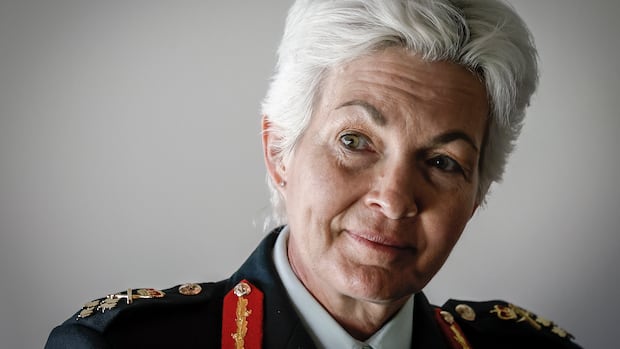
Canada has nominated Gen. Jennie Carignan for NATO’s highest military position, marking a historic moment for both the nation and the Western military alliance. If confirmed, Carignan would become the first woman to serve as Chair of NATO’s Military Committee, breaking a significant barrier in the traditionally male-dominated world of defense leadership.
The announcement signals Canada’s intent to play a more prominent role within the alliance while showcasing one of its most accomplished military leaders on the global stage.
Who Is Gen. Jennie Carignan?
Gen. Jennie Carignan currently serves as Canada’s Chief of the Defence Staff, the country’s highest-ranking military officer. Her appointment to that role in 2024 already made history—she became the first woman to lead the Canadian Armed Forces.
Carignan brings over three decades of military experience to the table. A combat engineer by trade, she has commanded troops in some of the world’s most challenging environments, including Afghanistan. Her expertise spans operational command, institutional reform, and addressing systemic issues within military organizations.
Her career trajectory demonstrates both tactical excellence and strategic vision. Before becoming Chief of the Defence Staff, she led efforts to address sexual misconduct within the Canadian military, earning recognition for her commitment to cultural transformation.
What Is NATO’s Military Committee?
The NATO Military Committee serves as the alliance’s senior military authority. It provides strategic military advice to NATO’s political leadership, including the North Atlantic Council and the Nuclear Planning Group.
The Chair of the Military Committee holds a three-year term and acts as the principal military advisor to the Secretary General. This individual represents the collective military perspective of all 32 NATO member nations.
Previous chairs have come from nations including the Netherlands, Czech Republic, and Italy. Canada has never held this prestigious position, making Carignan’s nomination particularly significant for Ottawa’s standing within the alliance.
Why Canada’s Nomination Matters Now
The timing of this nomination carries substantial weight. NATO faces unprecedented challenges, including:
- Ongoing support for Ukraine amid Russia’s invasion
- Increased defense spending pressures on member nations
- Evolving security threats from multiple regions
- Internal alliance cohesion concerns amid political shifts
Canada has faced criticism in recent years for failing to meet NATO’s defense spending target of 2% of GDP. Nominating a high-profile candidate for the alliance’s top military position could help Ottawa demonstrate renewed commitment to collective security.
The nomination also comes as Western nations increasingly recognize the importance of diverse leadership in military institutions. Carignan’s potential appointment would send a powerful message about gender equality in defense.
International Reaction and Confirmation Process
NATO member nations must approve the nomination through a consensus-based process. Early indications suggest Carignan enjoys broad support among alliance partners, though formal consultations remain ongoing.
Defense analysts view the nomination favorably. Carignan’s operational experience, combined with her track record of institutional leadership, positions her as a credible candidate during a period of heightened security concerns.
Allied nations have increasingly emphasized the need for military leaders who understand both traditional warfare and modern challenges like cyber threats, hybrid warfare, and climate-related security issues. Carignan’s diverse background addresses many of these requirements.
The confirmation timeline remains fluid, but decisions on such senior positions typically unfold over several months as member nations conduct their internal reviews.
Carignan’s Leadership Style and Priorities
Those who have worked with Carignan describe her as direct, decisive, and reform-minded. Her leadership philosophy emphasizes accountability, operational readiness, and institutional integrity.
During her tenure as Chief of the Defence Staff, she has prioritized:
- Recruitment and retention improvements
- Modernization of Canadian military capabilities
- Cultural reform initiatives
- Strengthening allied partnerships
These priorities align closely with NATO’s current strategic objectives, potentially smoothing her path to confirmation.
Her engineering background also provides a practical, problem-solving approach that resonates with military professionals across the alliance. Combat engineers must assess complex situations quickly and develop workable solutions—skills directly transferable to strategic leadership.
What This Means for Canadian Defense Policy
Should Carignan assume the NATO role, Canada would need to select a new Chief of the Defence Staff. This transition would occur during a critical period for Canadian defense policy, with ongoing debates about military funding, Arctic security, and continental defense.
The appointment would also elevate Canada’s voice within NATO decision-making structures. The Military Committee Chair wields considerable influence over alliance military strategy and operational planning.
For Canadian defense policy, having a national at NATO’s military helm could facilitate closer alignment between Ottawa’s priorities and alliance-wide initiatives. It might also increase pressure on Canada to meet its defense spending commitments.
A Historic Moment for Women in Defense
Beyond national considerations, Carignan’s nomination represents a milestone for women in military leadership worldwide. Despite progress in recent decades, women remain underrepresented in senior defense positions globally.
Her potential appointment to NATO’s top military chair would demonstrate that the alliance’s commitment to diversity extends to its highest levels. This visibility matters for recruitment and retention of women in armed forces across member nations.
Carignan has spoken publicly about the importance of creating inclusive military environments. Her elevation to the international stage would amplify these messages considerably.
Looking Ahead
The coming months will determine whether Gen. Jennie Carignan becomes NATO’s next Military Committee Chair. Her nomination reflects both Canada’s strategic ambitions and the alliance’s evolving approach to leadership.
For those following international security developments, this appointment merits close attention. The individual leading NATO’s military deliberations will shape alliance responses to current and emerging threats for years to come.
