


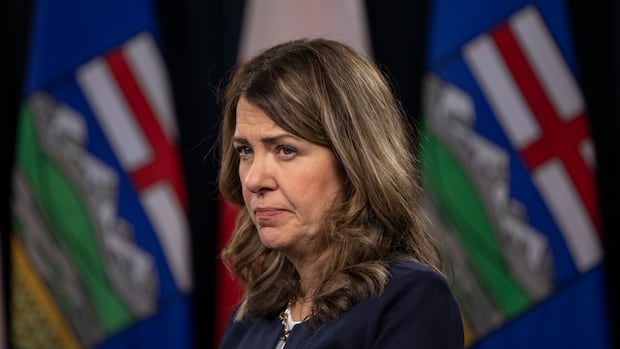
Premier Smith Announces Historic Vote on Provincial Independence
Alberta Premier Danielle Smith has announced that the province will hold an Alberta separation referendum this fall, marking a dramatic escalation in tensions between the western province and the federal government. In a televised address on June 20, 2025, Smith revealed that Albertans will vote on whether to authorize a future binding referendum on separating from Canada.
The announcement comes amid ongoing disputes over federal environmental policies, equalization payments, and what Smith describes as Ottawa’s interference in provincial jurisdiction. This two-stage referendum approach represents an unprecedented move in Canadian politics and has ignited fierce debate across the country.
Understanding the Two-Stage Referendum Process
What Albertans Will Actually Vote On
The fall referendum will not directly ask Albertans whether they want to leave Canada. Instead, voters will decide whether the provincial government should have the authority to hold a binding vote on separation at a future date.
Smith emphasized this distinction during her address, stating that the initial vote serves as a democratic mandate to pursue independence negotiations if Albertans choose that path. The premier framed the referendum as giving citizens control over their province’s future relationship with Confederation.
Critics argue this two-stage approach creates confusion and delays meaningful discussion about the actual implications of separation. Constitutional experts have also raised questions about whether any provincial referendum on separation could truly be binding under Canadian law.
Timeline and Logistics
Provincial officials have indicated the referendum will take place alongside municipal elections in October 2025. Elections Alberta will oversee the process, though specific ballot language has not yet been finalized.
The government expects to spend approximately $20 million on the referendum, drawing criticism from opposition parties who argue the funds would be better spent on healthcare and education.
The Political Context Behind the Vote
Federal-Provincial Tensions Reach Breaking Point
The Alberta independence movement has gained momentum over the past decade, fueled by disputes over:
- Carbon pricing: Alberta’s energy sector has consistently opposed federal emissions regulations
- Equalization payments: The province has long argued it contributes more to federal coffers than it receives
- Pipeline approvals: Delays and cancellations of major projects have frustrated provincial leaders
- Environmental regulations: Recent federal emissions caps on the oil and gas sector have intensified conflict
Smith’s United Conservative Party has positioned itself as the defender of Alberta’s economic interests against what it characterizes as federal overreach. The premier has previously invoked the Alberta Sovereignty Act, passed in 2022, to push back against federal policies.
Opposition Response
Alberta NDP Leader has condemned the referendum as a costly distraction from pressing issues facing the province. Opposition critics argue the separatist vote will create economic uncertainty, potentially driving away investment at a critical time for Alberta’s energy transition.
Federal officials, including Prime Minister Mark Carney, have responded cautiously to the announcement. The Prime Minister’s Office released a statement emphasizing Canada’s commitment to national unity while acknowledging legitimate provincial concerns about federal policy.
Economic Implications of Alberta Separation
What Independence Could Mean for the Province
Economic analysts remain deeply divided on whether an independent Alberta would thrive or struggle outside Confederation. Proponents point to the province’s vast natural resources, including:
- Oil sands reserves valued in the trillions of dollars
- A relatively young, educated workforce
- Existing trade relationships with the United States
- No provincial sales tax and low overall tax burden
However, skeptics highlight significant challenges an independent Alberta would face. The province would need to negotiate trade agreements, establish its own currency or monetary policy, and create federal-level institutions from scratch.
Business Community Concerns
Major corporations operating in Alberta have largely remained silent on the referendum, though industry associations have expressed concern about prolonged uncertainty. The Calgary Chamber of Commerce issued a statement urging all parties to prioritize economic stability regardless of the vote’s outcome.
International investors are watching the situation closely. Credit rating agencies have indicated they will monitor developments, though no immediate action on Alberta’s provincial debt rating is expected.
Legal and Constitutional Questions
Can Alberta Actually Separate?
Canadian constitutional law does not provide a clear mechanism for provincial secession. The 1998 Supreme Court Reference on Quebec Secession established that while provinces cannot unilaterally separate, the federal government would have an obligation to negotiate if a clear majority voted for independence on a clear question.
Legal scholars note that Smith’s two-stage approach may be designed to address the clear question requirement by first establishing a mandate for negotiations. However, significant constitutional hurdles would remain even if both referendums passed.
The federal Clarity Act, passed in 2000, gives Parliament the authority to determine whether a referendum question and majority are sufficient to trigger separation negotiations.
What Happens Next
Key Dates and Milestones
Albertans should watch for several important developments in the coming months:
- July 2025: Expected release of official ballot question
- August 2025: Campaign period begins
- October 2025: Referendum vote alongside municipal elections
- Late 2025: Results certified and government response announced
The outcome will likely shape federal-provincial relations for years to come, regardless of whether separation ever occurs.
Conclusion
The Alberta separation referendum represents a watershed moment in Canadian politics, forcing voters to consider fundamental questions about provincial autonomy and national unity. Whether this vote leads to meaningful constitutional change or serves primarily as a political pressure tactic remains to be seen. Albertans must carefully weigh the potential consequences as October approaches, and all Canadians should pay close attention to developments that could reshape the country’s future.
