


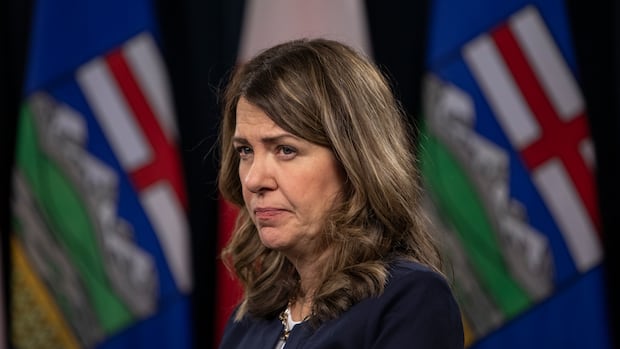
Premier Smith Announces Historic Vote on Constitutional Future
Alberta Premier Danielle Smith has announced the province will hold an Alberta separation referendum this fall, marking a dramatic escalation in tensions between the western province and the federal government. In a televised address on June 20, 2025, Smith revealed plans for a binding referendum that could set Alberta on a path toward independence from Canada.
The announcement represents the most significant challenge to Canadian confederation in decades, potentially surpassing the Quebec sovereignty referendums of 1980 and 1995 in its constitutional implications. Albertans will first vote on whether to hold a subsequent binding referendum on separation from Canada.
What the Alberta Referendum Entails
The fall vote presents a two-stage process that Smith’s United Conservative Party government has carefully designed. Rather than asking Albertans directly whether they want to separate, this initial referendum asks whether the province should hold a future binding vote on independence.
Smith characterized the move as giving Albertans a voice on their constitutional future. The premier argued that years of federal policies—particularly those affecting Alberta’s energy sector—have left the province with few alternatives.
“Albertans deserve the right to determine their own destiny,” Smith stated during her address.
The referendum question focuses on democratic process rather than immediate separation, a strategic approach that observers say could attract broader support from voters who want options without committing to independence.
Historical Context: Western Alienation and Separatist Sentiment
Western alienation has simmered in Alberta for decades, but recent years have seen unprecedented growth in separatist sentiment. The roots trace back to the National Energy Program of the 1980s, which many Albertans blame for devastating the provincial economy.
More recently, disputes over:
- Carbon pricing and environmental regulations
- Pipeline approvals and energy policy
- Federal equalization payments
- Firearms legislation
These flashpoints have fueled movements like Wexit and the Alberta Independence Party.
Polling conducted before Smith’s announcement showed approximately 25-35% of Albertans expressing some support for exploring independence. However, experts caution that referendum dynamics often shift dramatically once formal campaigns begin.
Federal Government Response and Constitutional Questions
Ottawa faces a complex challenge in responding to Alberta’s referendum plans. The federal government must balance respecting democratic expression with maintaining national unity.
Constitutional experts have raised significant questions about the referendum’s legal standing. Under the Clarity Act, passed following the 1998 Supreme Court reference on Quebec secession, the federal government retains authority to determine whether any referendum question is sufficiently clear and whether any majority is sufficient to trigger negotiations.
Legal scholars note several unresolved issues:
The Supreme Court’s 1998 ruling established that while no province has a unilateral right to secede, a clear expression of democratic will would create an obligation to negotiate. However, what constitutes “clear” remains deliberately undefined.
Federal officials have declined extensive comment, stating only that they remain committed to a united Canada while respecting provincial democratic processes.
Economic Implications of Alberta Independence
An independent Alberta would face enormous economic restructuring. As Canada’s energy heartland, the province produces the vast majority of the nation’s oil and gas, contributing significantly to federal revenues.
Proponents of independence argue Alberta sends billions more to Ottawa than it receives in federal services and transfers. They envision a prosperous petro-state similar to Norway, with control over its natural resources and fiscal policy.
Critics counter that separation would create massive complications:
Trade relationships would require complete renegotiation. Alberta’s landlocked geography means energy exports depend on pipelines crossing other provinces or the United States.
Currency and monetary policy present additional challenges. Would an independent Alberta create its own currency or negotiate continued use of the Canadian dollar?
Border issues, citizenship questions, and division of federal assets and debts would require years of complex negotiations.
Financial markets have already shown sensitivity to separation speculation, with investors closely monitoring developments.
Political Reactions Across the Spectrum
The referendum announcement has generated intense reactions across Canada’s political landscape.
Opposition parties in Alberta criticized the move as a distraction from pressing provincial issues including healthcare and affordability. NDP Leader criticized the timing and questioned whether the government had properly analyzed the implications.
Federal Conservative Leader Pierre Poilievre faces a particularly delicate situation. While his party draws substantial support from Alberta and has championed provincial rights, endorsing separatism could alienate voters in other provinces crucial to forming government.
Provincial premiers across Canada have offered measured responses, with some expressing understanding of Alberta’s frustrations while affirming commitment to confederation.
Indigenous leaders have raised crucial questions about treaty rights and consultation, noting that separation discussions cannot ignore the rights of First Nations, Métis, and Inuit peoples within Alberta’s boundaries.
What Happens Next: Timeline and Campaign Period
Albertans should expect an intensive campaign period leading to the fall vote. The provincial government must still finalize the exact referendum date and precise question wording.
Both sides will organize formal campaigns, with spending limits and advertising rules governing the referendum period. The Yes campaign will likely emphasize autonomy, economic arguments, and democratic self-determination.
The No campaign will probably focus on economic risks, the benefits of confederation, and emotional appeals to Canadian identity.
Voter turnout will prove crucial. Referendums historically see lower participation than general elections, meaning motivated minorities can significantly influence outcomes.
A Pivotal Moment for Canadian Confederation
Alberta’s planned separation referendum represents a watershed moment in Canadian politics, regardless of its outcome. The vote will test the strength of national unity and force difficult conversations about federalism, regional equity, and democratic expression.
Albertans face a consequential decision that will shape their province’s future and potentially Canada’s constitutional structure. As the campaign unfolds, voters should seek reliable information from multiple sources and carefully consider the long-term implications of their choice.
