


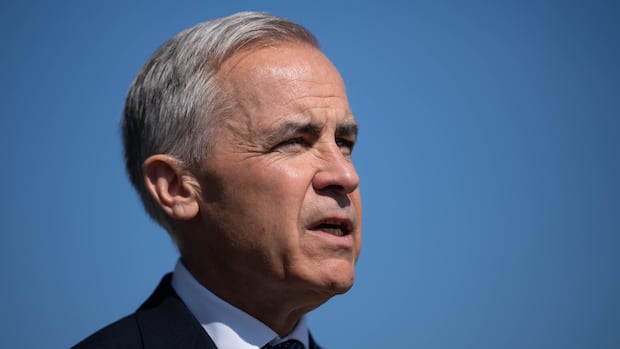
Fourteen Liberal MPs have sent a formal letter to Prime Minister Mark Carney expressing serious concerns over what they describe as an environmental backslide in recent policy decisions. The Liberal MPs Carney environmental concerns center primarily on a controversial deal struck with Alberta that critics argue prioritizes economic interests over climate commitments.
The letter, which emerged publicly on June 21, 2026, represents a significant internal challenge for the Prime Minister as he navigates the delicate balance between national unity and environmental protection. This rare display of caucus dissent signals growing unease within Liberal ranks about the party’s direction on climate policy.
The Alberta Deal Under Fire
What the Agreement Entails
The contentious agreement between the federal government and Alberta has sparked immediate backlash from environmentally conscious Liberal caucus members. The deal reportedly includes concessions on emissions regulations and modified timelines for certain climate targets affecting the oil and gas sector.
Prime Minister Carney defended the agreement as necessary for maintaining national economic stability and fostering cooperation with provincial governments. However, the 14 dissenting MPs argue that the concessions undermine Canada’s international climate commitments and domestic environmental goals.
Key Concerns Raised by MPs
The letter outlines several specific grievances that the Liberal MPs want addressed. Among the primary concerns are relaxed methane emission standards, extended compliance timelines for oil sands operations, and reduced federal oversight on environmental assessments.
The MPs also expressed worry about the precedent this deal sets for future negotiations with other provinces. They argue that compromising on environmental standards could trigger a race to the bottom as other regions seek similar accommodations.
Political Implications for the Liberal Party
Internal Division Becomes Public
This public display of dissent marks a notable shift in Liberal Party dynamics. Traditionally, caucus disagreements remain behind closed doors, making this letter a significant departure from convention.
Political analysts suggest the move reflects deeper frustrations within the party’s progressive wing. These members feel increasingly marginalized as the government pivots toward policies they view as incompatible with Liberal environmental values.
The signatories include several prominent backbenchers and parliamentary secretaries, lending weight to the concerns raised. Their willingness to go public indicates the depth of their conviction and potential consequences for party unity.
Carney’s Response Strategy
Prime Minister Carney faces a delicate balancing act in responding to the letter. Dismissing the concerns risks alienating a significant portion of his caucus, while reversing course on the Alberta deal could damage relations with western provinces.
Sources close to the Prime Minister indicate he plans to meet with the dissenting MPs individually to address their concerns. However, no changes to the Alberta agreement are currently anticipated.
Environmental Groups Weigh In
Support for Dissenting MPs
Major environmental organizations quickly rallied behind the 14 Liberal MPs, praising their courage in speaking out against what advocacy groups call a betrayal of climate commitments.
Climate Action Network Canada issued a statement supporting the letter and calling on the Prime Minister to reconsider the Alberta deal. The organization highlighted Canada’s international obligations under the Paris Agreement and questioned whether the new arrangement aligns with those commitments.
Industry Perspective
Conversely, energy sector representatives defended the agreement as a pragmatic approach to balancing environmental goals with economic realities. Industry groups argued that overly aggressive regulations would drive investment away from Canada without meaningfully reducing global emissions.
The Canadian Association of Petroleum Producers welcomed the deal, stating it provides the regulatory certainty needed for long-term planning and investment in cleaner technologies.
Historical Context of Liberal Environmental Policy
Past Commitments and Actions
The Liberal Party has historically positioned itself as a champion of environmental protection and climate action. Under previous leadership, the party implemented carbon pricing, invested in renewable energy, and set ambitious emissions reduction targets.
This track record makes the current controversy particularly significant. Critics argue the Alberta deal represents a fundamental departure from established Liberal environmental principles.
Shifting Political Landscape
The political environment surrounding climate policy has evolved considerably in recent years. Rising energy costs, economic uncertainty, and provincial pushback have complicated federal environmental initiatives.
Prime Minister Carney inherited these challenges upon taking office and has sought to chart a middle course. However, the letter from Liberal MPs suggests this approach may be creating fractures within his own party.
What Happens Next
Potential Outcomes
Several scenarios could unfold in the coming weeks. The Prime Minister might offer modifications to satisfy dissenting MPs while preserving the core agreement with Alberta. Alternatively, he could hold firm, risking continued public criticism from within his caucus.
Some observers speculate that a caucus meeting could provide a forum for airing grievances and finding compromise. Others suggest the divide may prove too deep for easy resolution.
Implications for Future Policy
Regardless of the immediate outcome, this episode will likely influence how the government approaches environmental policy going forward. The willingness of MPs to publicly challenge leadership on climate issues establishes a precedent that could shape future debates.
The situation also raises questions about the Liberal Party’s identity as it navigates competing pressures from environmental advocates and economic interests.
The letter from 14 Liberal MPs to Prime Minister Carney represents a pivotal moment for the party and Canadian environmental policy. As concerns over the Alberta deal continue to mount, the government faces pressure to demonstrate that economic cooperation and climate action can coexist.
