


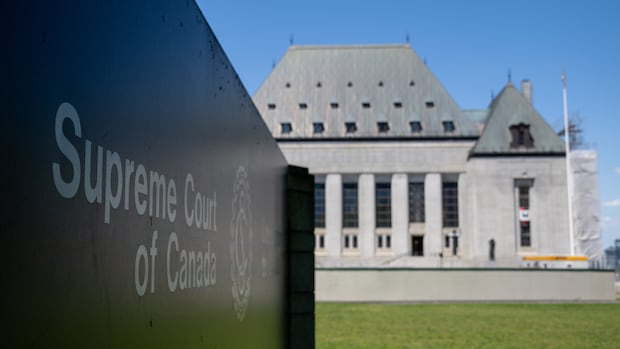
The long-running legal battle over Gitxaała mineral rights has reached Canada’s highest court, marking a pivotal moment for Indigenous land claims across the nation. Both the British Columbia government and the Gitxaała Nation have expressed support for the Supreme Court of Canada’s decision to hear this landmark case.
This controversial dispute centers on whether the province lawfully extinguished Indigenous mineral rights when British Columbia joined Confederation in 1871. The outcome could reshape resource extraction policies and Indigenous rights frameworks throughout Canada.
What the Gitxaała Mineral Rights Case Involves
The Gitxaała Nation, whose traditional territory spans approximately 17,000 square kilometers along British Columbia’s north coast, argues that the province never legally extinguished their Aboriginal mineral rights. This claim challenges over 150 years of provincial resource management practices.
At the heart of the dispute lies a fundamental question about Indigenous title and mineral ownership. The Gitxaała assert that colonial-era legislation failed to properly address their pre-existing rights to subsurface minerals within their ancestral lands.
The case has already traveled through lower courts, generating significant legal debate about the intersection of constitutional law, Aboriginal rights, and natural resource governance.
Why Both Parties Welcome the Supreme Court Hearing
In an unusual display of agreement, both the B.C. government and the Gitxaała Nation have publicly welcomed the Supreme Court’s decision to hear the case. This shared enthusiasm reflects the case’s importance in establishing legal clarity.
For the Gitxaała Nation, the hearing represents an opportunity to achieve recognition of rights their ancestors held for thousands of years. Chief Councillor Caitlin Banning and other Gitxaała leaders view this moment as historic for their community and potentially transformative for First Nations rights nationwide.
The British Columbia government, meanwhile, seeks definitive guidance on how to balance Indigenous rights with existing mineral tenure systems. Provincial officials have indicated that Supreme Court clarity will help establish consistent policies moving forward.
Historical Context of B.C. Mineral Rights Disputes
British Columbia’s relationship with Indigenous mineral rights carries a complicated history. When the province joined Confederation, the terms of union included provisions about Crown lands and resources that Indigenous peoples argue failed to account for their existing rights.
Unlike treaties negotiated in other parts of Canada, much of British Columbia remained unceded territory. This absence of formal agreements has fueled numerous land claims and legal challenges over the decades.
The Delgamuukw decision in 1997 established that Aboriginal title exists in British Columbia and includes mineral rights. However, questions about whether pre-Confederation legislation extinguished these rights in specific areas remain contested.
Previous court rulings in the Gitxaała case have produced mixed results, highlighting the complexity of reconciling historical legal frameworks with contemporary understandings of Indigenous sovereignty.
Potential Implications for Resource Development
The Supreme Court’s eventual ruling could significantly impact mining operations and resource extraction throughout British Columbia. Industry stakeholders have monitored the case closely, recognizing its potential to alter the regulatory landscape.
If the court rules in favor of the Gitxaała Nation, mining companies and the provincial government may need to negotiate new arrangements with First Nations holding mineral rights. This could affect everything from exploration permits to revenue-sharing agreements.
Conversely, a ruling supporting provincial authority could provide certainty for existing mineral tenure holders while potentially limiting Indigenous claims in similar cases.
Legal experts suggest the decision will likely establish important precedents regarding:
- Consultation requirements for resource projects
- Compensation frameworks for mineral extraction
- Co-management models between First Nations and government
- Economic reconciliation principles
The Broader Significance for Indigenous Rights
Beyond British Columbia, this case carries national significance for Indigenous self-determination and economic empowerment. First Nations across Canada are watching closely, as the ruling could influence similar disputes in other provinces.
The case arrives during a period of heightened attention to reconciliation efforts following the Truth and Reconciliation Commission’s calls to action. Courts have increasingly recognized Indigenous rights in recent years, though implementation remains inconsistent.
For the Gitxaała people specifically, the case represents more than legal strategy. It connects to their cultural identity, traditional governance systems, and aspirations for economic self-sufficiency.
What Happens Next
The Supreme Court of Canada will schedule oral arguments in the coming months. Both parties will present their legal positions before the nine justices, who will then deliberate before issuing a written decision.
Legal observers expect the court to address fundamental questions about the nature of Aboriginal title, the requirements for extinguishment, and the proper interpretation of historical legislation. The ruling, whenever it arrives, will likely span dozens of pages analyzing these complex constitutional issues.
The Gitxaała Nation has indicated it will continue pursuing all available legal avenues while also engaging in government-to-government discussions with British Columbia. This dual approach reflects the modern reality of Indigenous rights advocacy, which often combines litigation with negotiation.
The Gitxaała mineral rights case represents a defining moment for Indigenous law in Canada. As both the provincial government and the First Nation prepare their arguments for the Supreme Court, the stakes extend far beyond this single dispute. The eventual ruling will shape resource management, reconciliation efforts, and Indigenous economic participation for generations.
