


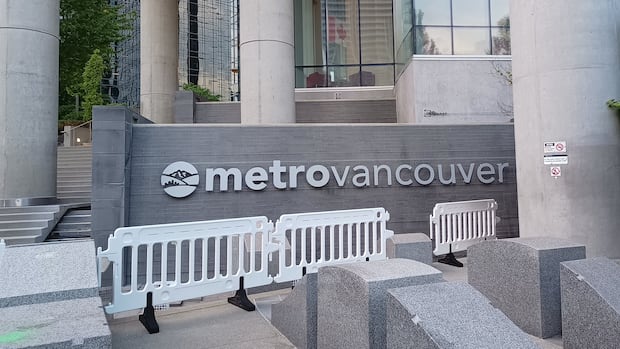
Union Announces Potential Work Stoppage Affecting Regional Services
The threat of a Metro Vancouver strike moved closer to reality on Sunday as the Canadian Union of Public Employees (CUPE) Local 7000 issued a 72-hour strike notice, setting the stage for potential job action that could disrupt essential regional services across British Columbia’s most populous area.
The union, which represents approximately 1,800 workers employed by Metro Vancouver, took the significant step after negotiations with the regional district failed to produce a satisfactory agreement. This development marks a critical escalation in ongoing labor disputes that have simmered for months.
What Services Could Be Affected?
Metro Vancouver workers perform crucial roles that residents often take for granted. The regional district oversees a wide range of essential services including water treatment and distribution, wastewater management, solid waste disposal, and regional park maintenance.
Should the strike proceed, residents across the 21 municipalities and one treaty First Nation that comprise Metro Vancouver could experience disruptions to these vital services. The potential impact extends to approximately 2.5 million people who rely on the regional district’s infrastructure daily.
CUPE Local 7000 members work in diverse positions including operations, maintenance, engineering support, and administrative roles. Their collective expertise keeps the region’s critical infrastructure functioning smoothly around the clock.
Timeline and Key Dates
The 72-hour strike notice means that job action could legally begin as early as Wednesday if no agreement emerges from continued negotiations. Under British Columbia’s Labour Relations Code, unions must provide this advance notice before initiating any work stoppage.
Both parties remain at the bargaining table, though significant gaps reportedly persist between their positions. The union has expressed frustration over what it characterizes as inadequate wage proposals amid rising living costs in one of Canada’s most expensive regions.
Metro Vancouver management has maintained that it seeks a fair and balanced agreement while remaining fiscally responsible to taxpayers across the region. The regional district has not publicly disclosed specific details of its latest offer.
Core Issues Driving the Dispute
Wage Demands and Cost of Living
At the heart of the Metro Vancouver labor dispute lies a fundamental disagreement over compensation. CUPE Local 7000 argues that members deserve wage increases that reflect the extraordinary cost of living in the Lower Mainland, where housing prices and general expenses rank among the highest in North America.
Workers point to inflation and the soaring cost of necessities as justification for their demands. Many union members struggle to afford housing in the very communities they serve, some commuting long distances to reach their workplaces.
Working Conditions and Staffing Levels
Beyond wages, the union has raised concerns about working conditions and staffing levels. Members report that understaffing has led to increased workloads and safety concerns in some departments.
The union contends that Metro Vancouver must invest in its workforce to maintain service quality and ensure employee wellbeing. Recruitment and retention challenges have reportedly affected multiple departments in recent years.
Potential Impact on Regional Operations
Water and Wastewater Systems
Metro Vancouver operates one of the largest water systems in Canada, supplying drinking water from three mountain reservoirs to member municipalities. The regional district also manages wastewater treatment facilities that process hundreds of millions of liters daily.
Essential services designations under provincial law may require some workers to remain on the job even during a strike. However, the extent of these designations and their practical implementation could significantly affect service levels.
Regional Parks and Facilities
The regional district manages over 13,000 hectares of parkland across 22 regional parks. A work stoppage could affect park maintenance, facility operations, and potentially access to certain areas during peak summer season.
Residents planning visits to popular destinations should monitor official announcements for any access restrictions or service changes.
What Happens Next?
Continued Negotiations
Despite issuing the strike notice, CUPE Local 7000 has indicated willingness to continue bargaining in hopes of reaching an agreement before the deadline expires. Both sides have acknowledged that a negotiated settlement remains preferable to job action.
Provincial mediators may become more actively involved as the deadline approaches. In previous public sector labor disputes in British Columbia, last-minute negotiations have sometimes produced breakthrough agreements.
Contingency Planning
Metro Vancouver has reportedly developed contingency plans to maintain essential services should a strike occur. The regional district must balance operational continuity with respect for workers’ legal right to withdraw their labor.
Residents should stay informed through official Metro Vancouver channels and local news sources for updates on any service disruptions.
Historical Context
Labor disputes involving regional government workers in British Columbia have occasionally resulted in significant disruptions. The outcome of this particular negotiation could influence future public sector bargaining across the province.
CUPE represents workers throughout Canada’s public sector, and the Metro Vancouver situation reflects broader tensions over compensation and working conditions facing municipal employees nationwide.
The 72-hour Metro Vancouver strike notice represents a pivotal moment for both workers and the millions of residents who depend on regional services. As negotiations continue under intensifying pressure, the coming days will determine whether the parties can bridge their differences or whether job action becomes unavoidable.
Residents should prepare for potential service disruptions while hoping that good-faith bargaining produces a fair resolution for all stakeholders.
