


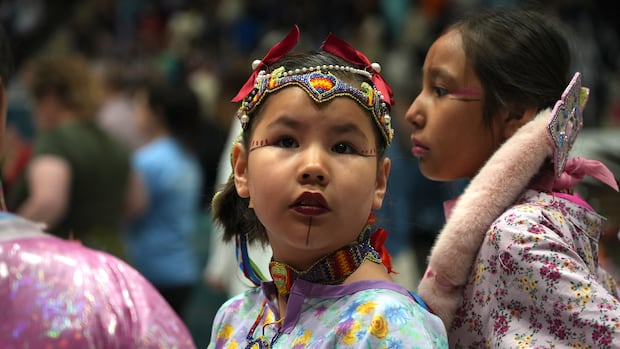
As the Treaty 6 anniversary reaches its 150th year, Indigenous youth across the Canadian prairies are reflecting on what this historic agreement means to their generation. In Lloydminster, a city straddling the Alberta-Saskatchewan border, teenagers gathered at a recent powwow to celebrate their heritage and share perspectives on treaty rights that continue to shape their lives today.
The commemoration offers a powerful reminder that treaties are not relics of the past but living documents that govern the relationship between Indigenous peoples and the Crown. For young people navigating modern challenges while honoring ancestral traditions, the Treaty 6 150th anniversary represents both a celebration and a call to action.
Understanding Treaty 6: A Brief History
Treaty 6 was signed in 1876 at Fort Carlton and Fort Pitt, covering vast territories in what is now central Alberta and Saskatchewan. The agreement included provisions for education, health care, and farming assistance — promises that Indigenous communities continue to advocate for today.
The treaty territory encompasses approximately 195,000 square miles and includes numerous First Nations communities. For the youth living within these boundaries, understanding this history forms the foundation of their cultural identity.
Chief Poundmaker, Big Bear, and other leaders negotiated on behalf of their people, seeking to protect their way of life while adapting to changing circumstances. Their foresight continues to influence how young Indigenous people view their rights and responsibilities.
Lloydminster Powwow Brings Generations Together
The recent powwow celebration in Lloydminster served as a vibrant gathering point for Indigenous families marking the sesquicentennial. Drums echoed across the grounds as dancers in traditional regalia performed ceremonies passed down through generations.
For teenagers attending the event, the powwow offered more than entertainment. It provided a tangible connection to their ancestors who originally signed the treaty agreement.
Young participants expressed pride in their heritage while acknowledging the complex emotions surrounding treaty history. The celebration included educational components designed to help youth understand both the promises made and the ongoing struggles for treaty rights.
Indigenous Youth Perspectives on Treaty Rights
Teenagers from Treaty 6 territory shared diverse perspectives on what the agreement means to their daily lives. Many emphasized the importance of Indigenous education and cultural preservation as central to honoring the treaty spirit.
Several youth highlighted the treaty’s medicine chest clause, which they interpret as a guarantee of health care access. This provision remains relevant as Indigenous communities continue addressing health disparities.
“The treaty is about relationship,” explained community leaders who organized youth programming at the event. Young people echoed this sentiment, describing treaties as ongoing commitments rather than historical artifacts.
The First Nations youth who participated demonstrated sophisticated understanding of both traditional teachings and contemporary advocacy strategies. They spoke about using social media to educate peers about treaty rights while maintaining connections to elders who share oral histories.
Cultural Revitalization Among Treaty 6 Youth
A notable trend among Indigenous teenagers involves renewed interest in traditional languages, ceremonies, and practices. The anniversary celebration showcased this revitalization through youth-led activities and performances.
Language programs have gained momentum in Treaty 6 communities, with young people learning Cree and other Indigenous languages. This linguistic revival represents a direct response to residential school policies that attempted to eliminate Indigenous languages.
Traditional arts, including beadwork and hide tanning, attract growing numbers of young practitioners. These skills connect youth to their ancestors while creating opportunities for cultural entrepreneurship.
The powwow itself demonstrated this intergenerational transfer of knowledge. Young dancers learned from elders, ensuring that traditions continue thriving into the next 150 years.
Challenges and Hopes for the Future
Despite celebratory aspects of the anniversary, Treaty 6 First Nations youth also acknowledged ongoing challenges. Issues including housing shortages, limited economic opportunities, and systemic discrimination continue affecting their communities.
Young people expressed frustration that treaty promises remain unfulfilled after 150 years. However, they also demonstrated remarkable resilience and determination to advocate for change.
Education emerged as a consistent theme in youth discussions. Many teenagers emphasized the need for all Canadians — not just Indigenous peoples — to understand treaty history and its continuing relevance.
The anniversary has prompted renewed calls for reconciliation efforts that move beyond symbolic gestures toward meaningful action. Youth voices play an increasingly important role in these conversations.
The Living Legacy of Treaty Agreements
The Treaty 6 anniversary celebration ultimately highlighted that these agreements remain vital to Indigenous identity and rights. For Lloydminster teenagers, the treaty represents their connection to the land, their ancestors, and their future.
Community leaders emphasized that treaties benefit all Canadians, not just Indigenous peoples. The agreements established frameworks for sharing land and resources that continue governing the nation today.
Young people left the powwow with reinforced pride in their heritage and renewed commitment to advocacy. Their perspectives suggest that the next generation will continue holding governments accountable to treaty obligations.
The 150th anniversary of Treaty 6 offers Canadians an opportunity to reflect on the nation’s foundational relationships with Indigenous peoples. For teenagers in Lloydminster and across treaty territory, this milestone carries profound personal significance while inspiring continued efforts toward reconciliation and justice. As these young voices grow stronger, they ensure that treaty rights remain central to Canada’s ongoing story.
