


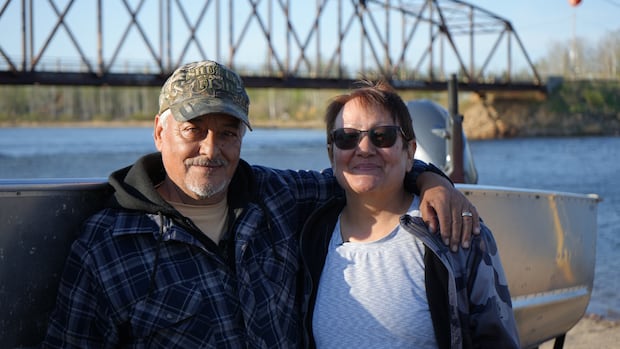
For survivors of Canada’s Sixties Scoop, the journey home is rarely a straight path. For one Saskatchewan woman, Sixties Scoop cultural reconnection came through an unexpected source: the love of a man who grew up immersed in the traditions she had been denied.
Darlene Iron and her husband Arthur now dedicate their lives to sharing Indigenous knowledge with others in Buffalo Narrows, a small community in northwestern Saskatchewan. Their story represents both the painful legacy of colonial policies and the resilient power of cultural reclamation.
The Sixties Scoop’s Lasting Impact on Indigenous Identity
The Sixties Scoop refers to the Canadian government practice of removing Indigenous children from their families and placing them with non-Indigenous foster or adoptive families. This policy, which peaked between the 1960s and 1980s, affected an estimated 20,000 First Nations, Métis, and Inuit children across Canada.
For Darlene Iron, being taken from her family meant losing access to her language, ceremonies, and traditional teachings. Like thousands of other survivors, she grew up disconnected from the cultural knowledge that should have been her birthright.
The trauma of this separation extends far beyond childhood. Research shows that Sixties Scoop survivors often struggle with identity issues, mental health challenges, and a profound sense of displacement throughout their lives.
Finding Love and Cultural Grounding in Buffalo Narrows
When Darlene met Arthur Iron, she found more than a life partner. Arthur had grown up in Buffalo Narrows with full access to traditional Indigenous knowledge, including hunting, trapping, and living off the land.
Their relationship became a bridge between two vastly different experiences of Indigenous identity. While Darlene had been raised away from her culture, Arthur possessed generations of accumulated wisdom about surviving and thriving on the northern Saskatchewan landscape.
Buffalo Narrows, located approximately 470 kilometers north of Saskatoon, provides the perfect setting for this cultural work. The community sits surrounded by boreal forest and countless lakes, offering abundant opportunities for traditional land-based learning.
Sharing Traditional Knowledge With the Next Generation
The Irons have transformed their personal journey into a community mission. They regularly take groups out on the land, teaching skills that sustained Indigenous peoples for thousands of years before European contact.
Their teachings include:
- Traditional hunting and trapping techniques
- Plant identification and medicinal uses
- Survival skills for northern climates
- Cultural protocols and ceremonies
- Environmental stewardship practices
This work carries particular significance in an era when many young Indigenous people feel disconnected from traditional ways. Urbanization, technology, and the ongoing impacts of residential schools and child welfare policies have created generational gaps in cultural transmission.
The couple’s approach emphasizes experiential learning. Rather than simply lecturing about traditions, they bring participants into direct contact with the land, allowing the environment itself to serve as teacher.
The Healing Power of Cultural Reclamation
For Sixties Scoop survivors seeking reconnection, programs like the Irons’ offer profound healing opportunities. Mental health experts increasingly recognize cultural reclamation as a vital component of Indigenous wellness.
Darlene’s own transformation demonstrates this healing potential. Through her husband’s patient teaching and her own determined effort, she has reclaimed knowledge that government policies once tried to erase permanently.
This personal healing extends outward. By sharing their journey, the Irons help normalize the process of cultural reconnection for others who may feel shame or uncertainty about what they don’t know.
Land-Based Education as Reconciliation in Action
The Irons’ efforts align with broader movements toward Indigenous-led education and practical reconciliation. The Truth and Reconciliation Commission’s Calls to Action specifically emphasized the importance of cultural education and language revitalization.
In Buffalo Narrows and communities across Canada, grassroots initiatives like the Irons’ program represent reconciliation happening at the community level. These efforts don’t wait for government programs or institutional changes—they begin with individuals committed to preserving and transmitting cultural knowledge.
The couple’s work also contributes to environmental conservation. Traditional ecological knowledge offers valuable perspectives on sustainable land management, perspectives increasingly sought by scientists and policymakers addressing climate change.
Building Resilient Communities Through Shared Purpose
The impact of the Irons’ teaching extends beyond individual participants. By strengthening cultural connections, they help build more resilient communities equipped to face contemporary challenges while honoring ancestral wisdom.
Young people who learn traditional skills often report increased self-esteem, stronger cultural identity, and deeper connections to their communities. These outcomes address many of the social challenges facing Indigenous communities today.
For the Irons, this work represents both personal fulfillment and cultural responsibility. They recognize that the knowledge Arthur carries belongs not to him alone but to future generations who deserve access to their heritage.
A Love Story With Lasting Impact
Darlene and Arthur Iron’s story ultimately demonstrates that healing from colonial trauma is possible, even decades after the initial harm occurred. Their partnership shows how love can serve as a vehicle for cultural transmission and personal transformation.
As more Sixties Scoop survivors seek reconnection with their heritage, couples like the Irons provide both inspiration and practical pathways forward. Their message resonates: it’s never too late to come home to your culture.
For those interested in supporting Indigenous cultural preservation or learning more about traditional knowledge programs in their regions, reaching out to local Indigenous organizations offers a starting point for meaningful engagement.
