


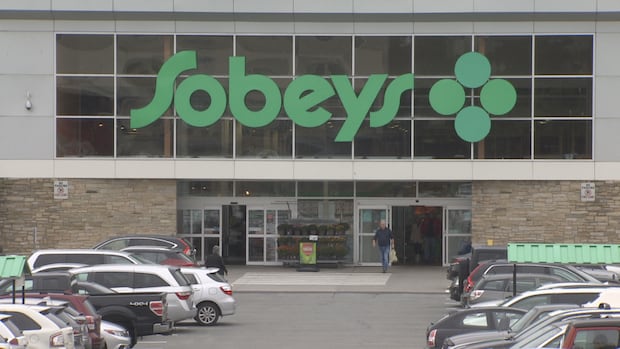
The Competition Bureau of Canada has launched an expanded investigation into Sobeys property controls that may limit where rival grocery stores can operate, potentially affecting food prices and consumer choice across the country.
This deeper examination signals growing regulatory concern over how major grocery chains use real estate agreements to shape the competitive landscape in Canadian neighborhoods. For millions of shoppers already struggling with elevated food costs, the outcome could determine whether new grocery options emerge in their communities.
What Are Property Controls and Why Do They Matter?
Property controls refer to restrictive covenants and agreements that grocery chains embed in real estate transactions. When a company like Sobeys’ parent corporation, Empire Company, sells or leases property, these contracts can prohibit future owners or tenants from operating competing food retail businesses.
These restrictions can remain in effect for decades, essentially giving grocery giants long-term control over who sells food in specific areas—even after they no longer occupy the location.
The practice has drawn scrutiny because it can:
- Prevent discount grocers from entering markets
- Limit consumer choice in underserved neighborhoods
- Reduce competitive pressure that typically keeps prices in check
- Create food deserts in some communities
Competition Bureau Expands Its Investigation
The Competition Bureau confirmed it is taking a closer look at how Empire Company, which owns Sobeys, Safeway, FreshCo, and other banners, uses these property agreements. This investigation builds on the bureau’s broader grocery sector study launched in 2023.
Bureau officials have expressed concern that such practices may constitute anti-competitive behavior under Canadian competition law. The investigation aims to determine whether these controls unreasonably prevent market entry and harm consumers.
According to the bureau’s previous findings, property controls are widespread among Canada’s major grocery retailers. However, the current focus on Sobeys suggests regulators have identified specific concerns warranting deeper examination.
How Empire Company Responds
Empire Company has maintained that its property control practices comply with Canadian law and represent standard business operations in the real estate and retail sectors.
The company operates more than 1,500 stores across Canada under various banners, making it one of the country’s largest grocery retailers. Its real estate portfolio and associated agreements span decades of transactions across multiple provinces.
Industry observers note that Empire is not alone in using such restrictions—Loblaw Companies and Metro Inc. have also faced questions about similar practices. However, the bureau’s targeted approach to Sobeys indicates a case-by-case examination of how each company deploys these tools.
The Broader Context: Canada’s Grocery Affordability Crisis
This investigation unfolds against a backdrop of persistent grocery inflation that has strained household budgets nationwide. While inflation rates have moderated from their 2022-2023 peaks, food prices remain significantly elevated compared to pre-pandemic levels.
Consumer advocacy groups have long argued that limited grocery competition contributes to higher prices. In many Canadian communities, residents have few realistic shopping alternatives, particularly in suburban and rural areas where property controls may restrict new entrants.
The federal government has pressured major grocers to stabilize prices, with mixed results. Regulatory action on property controls represents a structural approach that could open markets to more competition over time.
Key factors driving the investigation include:
- Consumer complaints about limited shopping options
- Academic research linking market concentration to higher prices
- International precedents where similar practices faced regulatory action
- Political pressure to address cost-of-living concerns
What Could Change for Canadian Shoppers?
If the Competition Bureau determines that Sobeys’ property controls violate competition law, several outcomes become possible.
Potential remedies might include:
- Voiding existing restrictions that prevent grocery competition
- Prohibiting future use of similar covenants
- Financial penalties for anti-competitive conduct
- Mandatory divestiture of certain properties
For consumers, meaningful changes could eventually mean more grocery options in neighborhoods currently dominated by single retailers. Discount chains and independent grocers might find it easier to establish locations in areas where property controls previously blocked them.
However, any changes would likely take years to produce visible results. Real estate markets move slowly, and new grocery stores require significant investment and planning.
Industry Implications and Next Steps
The grocery industry is watching this investigation closely. A strong regulatory finding against Empire could prompt other chains to preemptively modify their practices and trigger similar examinations of competitors.
Real estate developers and commercial landlords also have stakes in the outcome, as restrictions on property covenants could affect how retail spaces are marketed and sold.
The Competition Bureau has not announced a timeline for completing its investigation. Complex competition cases typically require extensive document review, economic analysis, and legal proceedings that can extend over multiple years.
Meanwhile, consumer advocates continue pushing for faster action. They argue that Canadians cannot afford to wait years for structural changes while grocery prices remain elevated.
A Critical Moment for Grocery Competition
The Competition Bureau’s expanded investigation into Sobeys property controls represents a significant step toward addressing structural barriers in Canada’s grocery sector. While the outcome remains uncertain, this regulatory attention reflects growing recognition that real estate practices can profoundly impact food affordability and consumer choice.
Canadian shoppers should stay informed about these developments and consider supporting policy changes that promote grocery competition in their communities. The decisions made in the coming months could shape where and how Canadians buy food for decades to come.
