


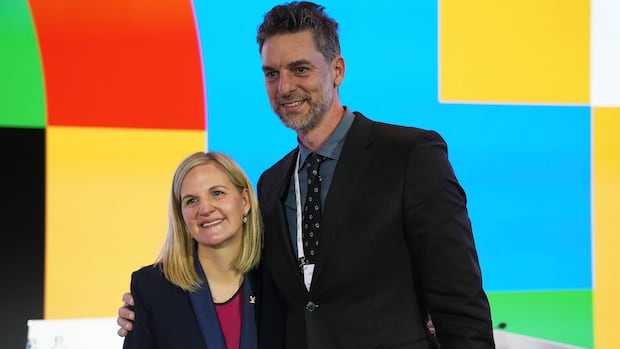
The International Olympic Committee has announced a groundbreaking IOC athlete fund worth $100 million, designed to provide direct cash grants to Olympic competitors worldwide. This historic initiative marks a significant shift in how the governing body supports athletes financially.
The new fund represents the largest direct payment program ever established by the IOC for individual athletes. Set to launch ahead of the 2028 Los Angeles Olympics, this program aims to address long-standing concerns about athlete compensation and financial security in Olympic sports.
What the New IOC Athlete Fund Includes
Direct Cash Payments to Competitors
Under this new initiative, Olympic athletes will receive direct financial support for the first time from the IOC itself. Previously, prize money and funding came primarily from individual sports federations, national Olympic committees, and private sponsors.
The $100 million fund will distribute grants to athletes competing at the Olympic Games. This money comes directly from IOC revenues, which are generated through broadcasting rights, sponsorship deals, and other commercial activities.
Athletes have long argued they deserve a larger share of Olympic revenues. The Games generate billions of dollars, yet many competitors struggle financially while training and competing at the highest level.
Eligibility and Distribution Details
The IOC has outlined specific criteria for how the Olympic athlete grants will be distributed. While exact amounts per athlete remain under discussion, the fund aims to support competitors across all sports and participating nations.
Priority will likely go to athletes from developing nations and those competing in sports with limited commercial appeal. This approach addresses equity concerns that have plagued Olympic sports for decades.
The distribution mechanism will work alongside existing support structures rather than replacing them. Athletes will still receive funding from their national committees and sports federations.
Why This Fund Matters for Olympic Sports
Addressing Athlete Financial Struggles
Many Olympic athletes face significant financial hardships despite competing at the world’s most prestigious sporting event. Training costs, equipment, coaching, and travel expenses often exceed what athletes earn from their sport.
A 2024 survey revealed that nearly 60% of Olympic athletes reported financial stress as a major concern during their competitive careers. Many work second jobs or rely heavily on family support to pursue their Olympic dreams.
This new fund acknowledges these struggles directly. By providing cash grants, the IOC offers tangible relief to athletes who sacrifice years of their lives for Olympic competition.
Changing the Olympic Revenue Model
The $100 million commitment signals a fundamental shift in how Olympic revenues flow. Traditionally, the IOC distributed funds to national committees and international federations, which then decided how to support athletes.
This direct-to-athlete approach bypasses intermediary organizations. Athletes receive money without bureaucratic delays or administrative deductions that sometimes reduced the actual support reaching competitors.
Critics have long demanded greater transparency in Olympic finances. This fund responds to those calls by creating a clear, accountable system for athlete payments.
How This Compares to Other Sports
Professional Leagues Set Different Standards
Major professional sports leagues distribute substantial revenues directly to athletes. The NBA, NFL, and European soccer leagues guarantee players significant percentages of league revenues through collective bargaining agreements.
Olympic sports have historically operated differently. The amateur origins of the Games created a culture where athlete compensation remained minimal or nonexistent for decades.
This new IOC funding initiative brings Olympic sports closer to professional league standards, though significant gaps remain. The $100 million fund, while substantial, represents a fraction of total Olympic revenues.
International Federations React
World Athletics and other international sports federations have already announced their own prize money programs for Olympic medalists. The IOC fund will supplement rather than replace these federation-level initiatives.
Some federations plan to distribute prize money at the 2028 Los Angeles Games. Combined with the new IOC fund, athletes could see significantly improved financial returns from Olympic competition.
Athlete Reactions and Advocacy Impact
Years of Advocacy Pay Off
Athlete advocacy groups have pushed for direct Olympic payments for years. Organizations representing competitors across multiple sports coordinated efforts to pressure the IOC on revenue sharing.
This fund represents a victory for athlete rights movements within Olympic sports. Advocates celebrated the announcement while noting that more work remains to achieve true equity in Olympic revenue distribution.
The IOC Athlete Commission played a crucial role in advancing these discussions. Athlete representatives on IOC bodies ensured competitor voices remained central to policy decisions.
What Athletes Are Saying
Competitor reactions have been largely positive, though some express concerns about implementation details. Questions remain about how grants will be calculated and whether the fund adequately addresses athlete needs.
Many athletes emphasize that financial support must extend beyond prize money. Training grants, injury support, and post-career assistance also matter significantly for competitor welfare.
Looking Ahead to 2028 and Beyond
Implementation Timeline
The IOC plans to finalize fund distribution details well before the 2028 Los Angeles Olympics. Athletes should receive clear information about eligibility and payment amounts as the Games approach.
Administrative structures must be established to manage applications and disbursements. The IOC will likely partner with existing organizations to handle logistical challenges.
Transparency measures will accompany the fund’s launch. The IOC has committed to publishing information about how money reaches athletes and what impact the grants achieve.
Future Growth Potential
This initial $100 million fund could expand in future Olympic cycles. If the program succeeds, the IOC may increase funding or extend support to additional categories of athletes.
The 2032 Brisbane Olympics and subsequent Games could see even larger direct athlete payments. Revenue growth from broadcasting and sponsorship deals could fuel expanded athlete support.
The new $100 million IOC athlete fund represents a historic step toward fairer compensation for Olympic competitors. By providing direct cash grants, the International Olympic Committee acknowledges athlete contributions to the Games’ success and addresses long-standing financial concerns. As implementation details emerge ahead of the 2028 Los Angeles Olympics, athletes worldwide will watch closely to see how this groundbreaking program delivers on its promises.
