


As global attention fixates on the upcoming 2026 FIFA Men’s World Cup across North America, a parallel countdown has quietly begun for another monumental event in international football. The 2027 Women’s World Cup officially entered its preparation phase this week, with FIFA announcing key milestones that will shape the tournament’s trajectory over the next two years.
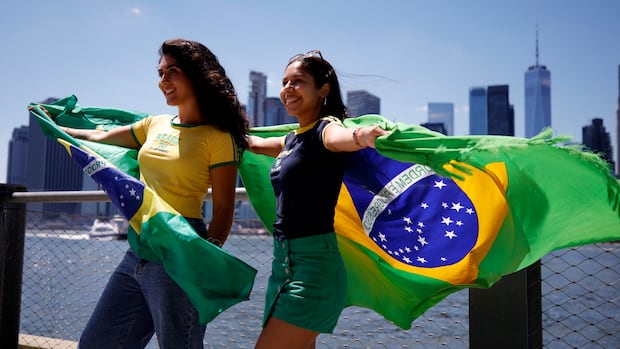
Brazil will host the prestigious competition, marking a historic moment for South American women’s football. Yet the timing presents a unique challenge: generating momentum for the women’s tournament while the sporting world remains captivated by men’s football fever.
Brazil Prepares to Make History as Host Nation
A Landmark Decision for South American Football
Brazil’s selection as the 2027 Women’s World Cup host represents a watershed moment for the sport in South America. The country, renowned for producing legendary male players, now has the opportunity to showcase its commitment to growing women’s football on home soil.
The Brazilian Football Confederation has already begun infrastructure assessments across potential host cities. Stadiums that will welcome millions of fans for the 2026 Men’s World Cup matches in the United States, Canada, and Mexico could serve as blueprints for Brazil’s own preparations.
FIFA officials have emphasized that Brazil’s existing football infrastructure provides a strong foundation. However, significant investments in training facilities, accommodation, and transportation networks remain necessary to meet tournament standards.
Balancing Two Major Tournaments
The proximity of the two World Cups creates both opportunities and challenges for FIFA and participating nations. With just one year separating the men’s tournament finale from the women’s competition kickoff, federations must carefully manage resources, sponsorship agreements, and player development programs.
Several national teams have already begun integrating their men’s and women’s program strategies. This unified approach aims to maximize exposure and funding for female athletes while leveraging the heightened football interest surrounding the men’s event.
The Commercial Landscape Shifts for Women’s Football
Sponsorship and Broadcasting Rights Gain Momentum
The commercial success of the 2023 Women’s World Cup in Australia and New Zealand set new benchmarks for the sport. Record-breaking television audiences and merchandise sales demonstrated the tournament’s growing mainstream appeal.
Major sponsors have taken notice. Early negotiations for 2027 broadcasting rights suggest significant increases from previous cycles. Networks across Europe, Asia, and the Americas are competing aggressively for coverage packages.
Key commercial indicators for 2027:
- Projected global television audience exceeding 2 billion viewers
- Anticipated attendance figures surpassing 1.5 million across all matches
- Expanded digital streaming partnerships targeting younger demographics
Corporate partners increasingly view women’s football as an authentic investment rather than a secondary consideration. This shift reflects broader societal changes in sports consumption and gender equity expectations.
Prize Money and Investment Debates Continue
Despite progress, significant disparities persist between men’s and women’s tournament prize pools. FIFA has faced ongoing pressure from players’ unions and advocacy groups to accelerate parity timelines.
The 2027 Women’s World Cup budget discussions have already sparked debate among FIFA council members. Some officials advocate for substantial prize money increases, while others cite financial sustainability concerns.
Player Development and Qualification Pathways
National Federations Adapt Long-Term Strategies
With the tournament clock now officially ticking, national federations worldwide have begun recalibrating their women’s football development programs. Youth academies, coaching certifications, and grassroots initiatives have received renewed attention.
European powerhouses like England, Spain, and Germany continue dominating qualification projections. However, emerging programs in Africa and Asia show promising growth trajectories that could reshape competitive dynamics.
The United States women’s national team faces its own transitional period. Following recent retirements of several high-profile veterans, the program must integrate younger talent while maintaining its historically dominant position.
Qualification Format and Schedule Confirmed
FIFA released the preliminary qualification structure for all confederations earlier this month. The format maintains the expanded 32-team field introduced in 2023, providing opportunities for smaller footballing nations to compete on the world stage.
Regional qualification highlights:
- CONCACAF: Eight qualifying spots with enhanced pathway for Caribbean nations
- UEFA: Eleven automatic spots plus playoff positions
- CONMEBOL: Three direct qualifiers with intercontinental playoff options
- AFC, CAF, and OFC: Combined seven spots with potential expansion
Qualification matches will commence in late 2025 for most confederations, building anticipation throughout the post-men’s World Cup period.
Infrastructure and Legacy Planning
Sustainability Takes Center Stage
Brazil has committed to hosting the most environmentally sustainable Women’s World Cup in history. Government officials outlined preliminary plans incorporating renewable energy, waste reduction, and carbon offset programs across all venues.
Legacy planning extends beyond environmental considerations. Tournament organizers aim to establish permanent improvements in women’s football infrastructure throughout Brazil, including training centers and youth development facilities.
Host City Selection Process Underway
Twelve Brazilian cities have submitted formal expressions of interest for hosting matches. FIFA inspection teams will evaluate candidates throughout 2025, with final selections expected by early 2026.
Sao Paulo, Rio de Janeiro, and Brasilia appear as frontrunners for marquee matches. However, regional distribution requirements may favor inclusion of northeastern cities like Salvador and Recife.
Looking Ahead: Challenges and Opportunities
The 2027 Women’s World Cup arrives at a pivotal moment for women’s football globally. Professional leagues continue expanding, media coverage has increased dramatically, and corporate investment shows sustained growth.
Yet challenges remain. Ensuring the tournament receives adequate attention amid the men’s World Cup afterglow requires strategic marketing and authentic storytelling. Players, coaches, and administrators must capitalize on current momentum while building sustainable foundations for future generations.
Football fans worldwide should mark their calendars and follow qualification developments closely. The 2027 Women’s World Cup promises compelling competition and historic moments.
