


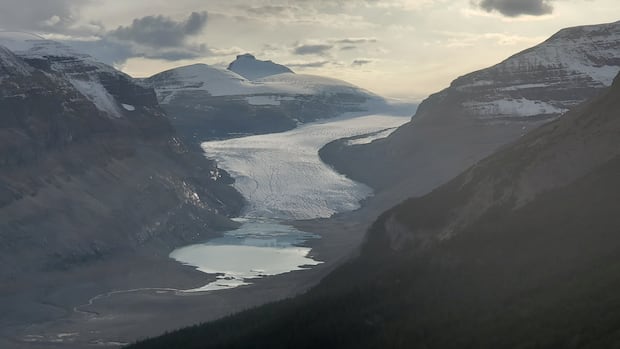
A groundbreaking climate summary report has delivered sobering news for one of Canada’s most iconic wilderness areas. Scientists now forecast a 3- to 6-degree Celsius temperature increase for Banff National Park by the end of this century, signaling dramatic environmental shifts ahead for the Rocky Mountain ecosystem.
The Banff National Park climate change projections, released by Parks Canada, paint a picture of a fundamentally transformed landscape. Glaciers will continue retreating, wildfire seasons will intensify, and wildlife habitats will shift in ways that could reshape the park’s character within a single generation.
What the Climate Report Reveals
Temperature Projections and Timeline
The climate summary outlines multiple scenarios based on global emissions trajectories. Under a high-emissions scenario, temperatures in Banff could rise by as much as 6 degrees Celsius by 2100. Even under more optimistic projections with significant emissions reductions, the park faces a minimum 3-degree increase.
These numbers represent annual averages, meaning seasonal extremes could prove even more dramatic. Winter temperatures show the steepest projected increases, which carries significant implications for snowpack accumulation and spring melt patterns.
Parks Canada compiled the data using regional climate models and historical weather records spanning decades. The agency collaborated with university researchers and Environment and Climate Change Canada to ensure scientific rigor.
Glacier Retreat Accelerates
Iconic Ice Fields Under Threat
The park’s glaciers have already lost substantial mass over the past century, but the new projections suggest acceleration ahead. The Columbia Icefield, which feeds rivers flowing to three different oceans, faces particularly severe losses.
Scientists estimate that most glaciers in the Canadian Rockies could disappear entirely by 2100 under high-warming scenarios. This loss extends beyond aesthetics—glaciers serve as critical water storage, releasing meltwater during dry summer months when rivers need it most.
The Athabasca Glacier, one of the most accessible and visited glaciers in North America, has retreated more than 1.5 kilometers since the late 1800s. Current projections suggest visitors in coming decades will witness dramatically diminished ice compared to today.
Wildfire Risk Intensifies
Longer Fire Seasons Predicted
The climate summary identifies increased wildfire risk as one of the most immediate concerns for park management. Warmer temperatures, combined with shifting precipitation patterns, create conditions favorable for more frequent and intense fires.
Fire season in the Banff region has already lengthened by several weeks compared to historical norms. The report projects this trend will continue, potentially adding months of elevated fire danger by mid-century.
Park managers have already begun adapting fire management strategies. Prescribed burns and fuel reduction projects aim to reduce catastrophic fire risk near developed areas like Banff townsite and Lake Louise.
Recent years have brought major wildfires to Alberta’s mountain parks, including evacuations and prolonged smoke events affecting air quality. The climate summary suggests such events will become more common rather than exceptional.
Wildlife and Ecosystem Impacts
Habitat Shifts Already Underway
Mountain ecosystems prove particularly vulnerable to climate change because species cannot simply migrate to cooler territory indefinitely. Eventually, they run out of mountain.
The report documents shifts in tree line elevation, with forests creeping higher into formerly alpine meadows. This transition threatens species dependent on open alpine habitat, including pikas, mountain goats, and certain bird populations.
Aquatic ecosystems face dual pressures from warming water temperatures and altered stream flows. Bull trout, a species at risk that requires cold, clean water, may lose significant habitat within the park.
Conversely, some species may expand their ranges into Banff. White-tailed deer have become more common in areas historically dominated by mule deer, and mountain pine beetle outbreaks—once limited by cold winters—have devastated vast swaths of forest.
Precipitation Pattern Changes
More Rain, Less Snow
The climate projections indicate total annual precipitation may remain relatively stable, but its form will change dramatically. More precipitation will fall as rain rather than snow, particularly in shoulder seasons.
This shift carries cascading effects throughout the ecosystem. Reduced snowpack means less water stored for gradual summer release. Rivers may run higher during spring floods but lower during late summer when aquatic life and downstream users depend on steady flows.
Winter recreation industries face obvious challenges. Ski areas like Sunshine Village and Lake Louise rely on natural snowfall supplemented by snowmaking. Warmer temperatures complicate artificial snow production and shorten viable seasons.
What This Means for Visitors
Planning for a Changing Park
Tourism remains central to Banff’s identity and economy. The climate summary raises questions about how visitor experiences may evolve in coming decades.
Summer seasons may grow longer but hotter, potentially pushing visitation toward spring and fall shoulder seasons. Smoke from wildfires could increasingly affect air quality and visibility during peak summer months.
Iconic experiences like walking on glaciers or viewing pristine winter landscapes may become rarer or require traveling to higher, more remote locations. Parks Canada has begun discussing how interpretation and education programs should address these changes.
The agency emphasizes that Banff will remain spectacular and worth visiting, but managing visitor expectations about a changing environment becomes part of responsible stewardship.
Parks Canada’s Response
Adaptation and Mitigation Strategies
Parks Canada has not released the climate summary merely as a warning. The agency is developing adaptation strategies to protect ecological values while maintaining visitor access.
Restoration projects focus on improving ecosystem resilience. Wildlife corridor protection helps species move across landscapes as habitats shift. Invasive species monitoring has intensified, recognizing that warming conditions favor certain non-native plants and animals.
The agency also works to reduce its own carbon footprint through fleet electrification, building efficiency improvements, and sustainable transportation initiatives within park boundaries.
