


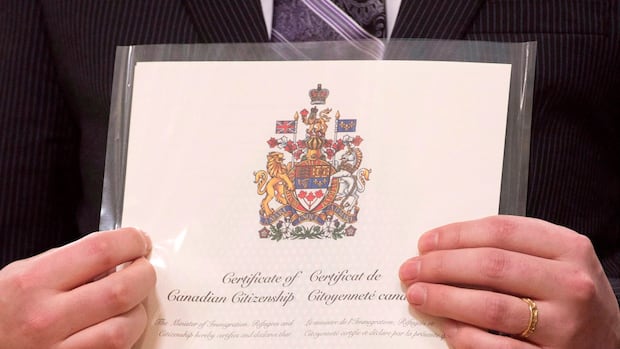
The Canadian government has abruptly halted the issuance of citizenship certificates under legislation designed to restore rights to so-called lost Canadians. This unexpected Canadian citizenship certificate suspension has left hundreds of applicants in limbo, sparking outrage among advocacy groups and immigration lawyers across the country.
Immigration, Refugees and Citizenship Canada (IRCC) confirmed the freeze affects individuals applying under provisions meant to correct historical gaps in citizenship law. The move comes without warning and has raised serious questions about the government’s commitment to resolving decades-old injustices affecting thousands of people born abroad to Canadian parents.
What Are Lost Canadians?
Historical Background of Citizenship Gaps
The term lost Canadians refers to individuals who believed they were Canadian citizens but discovered they had lost or never acquired citizenship due to outdated laws. Before 1977, Canadian citizenship rules contained numerous exclusions that stripped citizenship from certain groups.
Women who married foreign nationals, children born abroad to Canadian mothers, and individuals born out of wedlock often fell through legislative cracks. These gaps affected generations of families with legitimate ties to Canada.
In 2009 and 2015, Parliament passed amendments to the Citizenship Act specifically designed to address these historical injustices. The legislation restored citizenship to many affected individuals and created pathways for others to obtain recognition.
Who the 2009 and 2015 Amendments Protected
The amendments extended citizenship rights to:
- People born abroad to Canadian parents before 1977
- Individuals who lost citizenship when parents became naturalized elsewhere
- Children of war brides and Canadian servicemembers
- Those born abroad in the second generation before certain dates
Thousands of people relied on these provisions to finally secure their Canadian citizenship certificates. Many had waited decades for recognition of their birthright.
Details of the Sudden Suspension
Government’s Announcement
IRCC announced the suspension through communications to immigration lawyers and applicants with pending cases. The department cited the need to review processing procedures but provided limited explanation for the abrupt timing.
Applications that were already submitted now face indefinite delays. Applicants report receiving notices that their cases are suspended pending further review, with no timeline for resolution.
The freeze specifically targets applications under sections of the Citizenship Act that address historical citizenship loss. Regular citizenship applications through naturalization reportedly continue processing normally.
Scope and Impact
Immigration lawyers estimate hundreds of active applications are affected by the suspension. Some applicants had waited months or years for processing before receiving suspension notices.
The timing proves particularly challenging for elderly applicants who sought recognition of their Canadian heritage. Several advocacy groups note that original lost Canadians are now in their 70s, 80s, and 90s.
One immigration attorney familiar with affected cases stated that these are people who have spent their entire lives believing they were Canadian, and this suspension adds another layer of uncertainty to an already lengthy process.
Reaction from Advocacy Groups and Legal Experts
Citizenship Advocates Express Outrage
Organizations that championed the original legislative fixes expressed immediate concern. The Lost Canadians advocacy group called the suspension a betrayal of parliamentary intent and decades of advocacy work.
Advocates argue the government made promises to these individuals that it now appears unwilling to honor. They demand immediate clarification on the reasons behind the freeze and a timeline for resumption.
Legal experts specializing in citizenship law question whether the suspension might face constitutional challenges. The affected individuals arguably have established rights under existing legislation.
Immigration Lawyers Seek Answers
The immigration bar has mobilized to demand transparency from IRCC. Lawyers report difficulty obtaining clear information about which specific applications are affected and why.
Some legal professionals speculate the suspension relates to concerns about fraudulent applications or documentation issues. However, IRCC has not confirmed any specific problems prompting the freeze.
The Canadian Bar Association’s immigration section has requested formal meetings with department officials to discuss the situation.
Potential Reasons Behind the Freeze
Administrative or Policy Concerns
Several theories have emerged about the government’s motivations. Some observers suggest IRCC identified processing errors or inconsistencies requiring systematic review.
Others point to possible budgetary constraints or resource allocation issues within the department. Citizenship processing backlogs have plagued IRCC for years, worsening during the pandemic period.
Political considerations may also play a role. The current government faces multiple immigration-related pressures, and citizenship policy has become increasingly scrutinized.
Security and Verification Issues
Another possibility involves enhanced security screening or document verification requirements. International partnerships for confirming foreign birth records and parental citizenship have grown more complex.
The government may be implementing new protocols for verifying the underlying documentation supporting lost Canadian claims. Such changes could explain processing delays without indicating permanent policy shifts.
What Affected Applicants Should Do Now
Immediate Steps
Applicants with pending cases should document all communications received from IRCC. Maintaining organized records will prove essential if legal challenges or administrative appeals become necessary.
Consulting with a qualified immigration lawyer familiar with lost Canadian cases is advisable. Legal professionals can assess individual circumstances and advise on available options.
Applicants should avoid submitting duplicate applications, which could complicate their files further. Instead, they should request written confirmation of their application status through official channels.
Monitoring Developments
Affected individuals should follow updates from IRCC and advocacy organizations closely. Policy changes in this area can occur rapidly, and staying informed helps applicants respond appropriately.
Joining advocacy groups provides access to collective resources and updates about potential legal action or political pressure campaigns.
Conclusion
The Canadian citizenship certificate suspension affecting lost Canadians represents a troubling development for individuals who believed their citizenship rights were finally secure. While the government has provided limited explanation, affected applicants deserve clarity and timely resolution. Anyone impacted by this freeze should consult legal counsel, document their case thoroughly, and stay connected with advocacy organizations working to restore processing. The coming weeks will prove critical in determining whether this suspension represents a temporary administrative pause or a more fundamental shift in how Canada honors its commitments to these individuals.
