


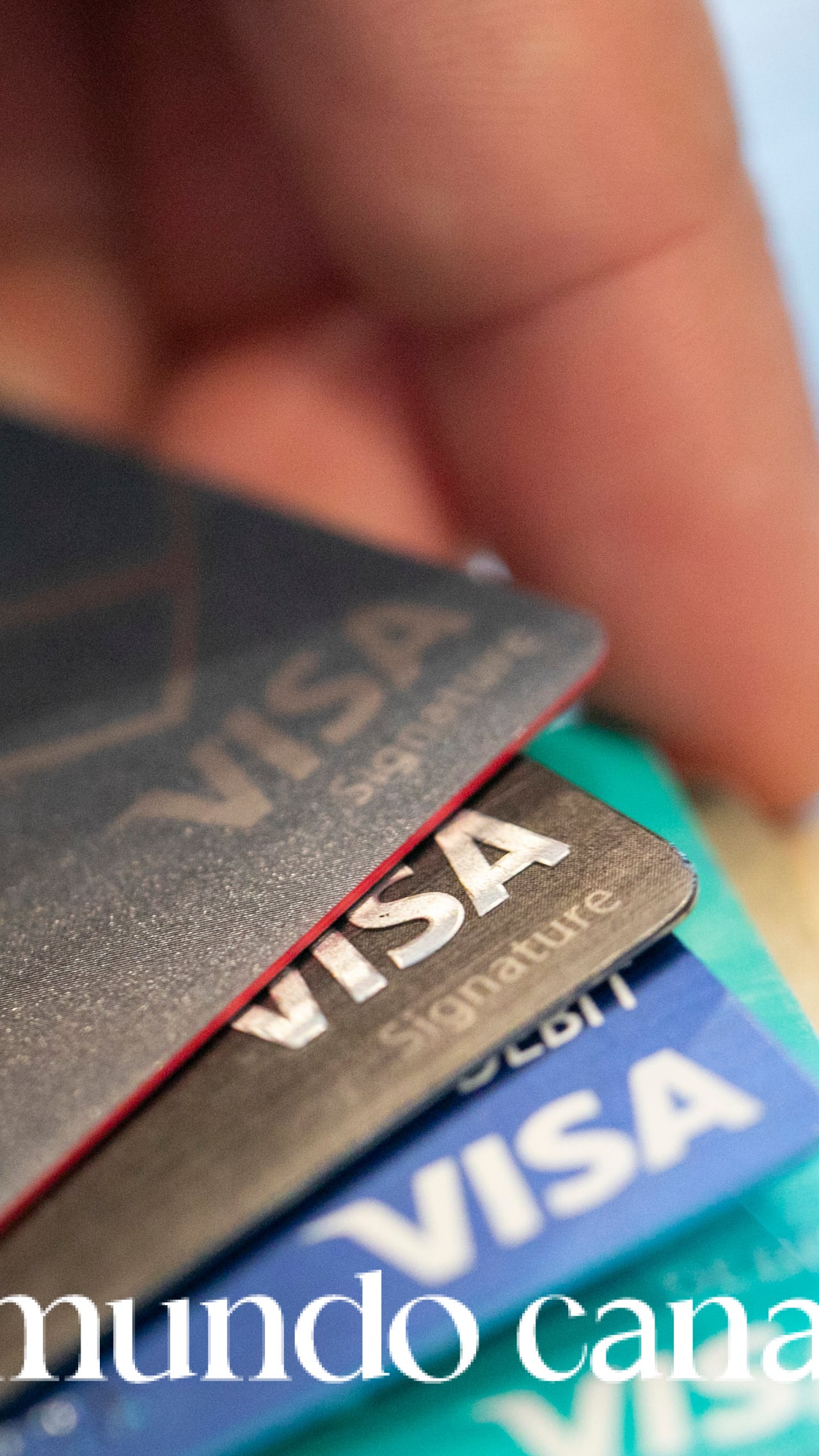
Canadian insolvency numbers have surged to their highest point since 2009, signaling mounting financial pressure on households and businesses across the country. The alarming trend reflects the cumulative impact of elevated interest rates, persistent inflation, and rising living costs that have stretched budgets to the breaking point.
Recent data reveals a troubling reality for the Canadian economy. As more individuals and companies struggle to meet their debt obligations, experts warn that the insolvency wave may continue throughout 2025 without significant economic relief.
Understanding the Surge in Canadian Bankruptcies
Record-Breaking Insolvency Filings
The latest statistics paint a concerning picture of Canada’s financial health. Insolvency filings have reached levels not seen since the aftermath of the 2008-2009 global financial crisis, marking a significant turning point in the country’s economic landscape.
Both consumer bankruptcies and business insolvencies have contributed to the dramatic increase. Canadians who previously managed to stay afloat through careful budgeting are now finding themselves unable to service their debts effectively.
The numbers reflect a 15-year high in financial distress, demonstrating that current economic conditions have pushed many beyond their financial limits.
Key Factors Driving the Crisis
Several interconnected factors have combined to create this perfect storm of financial distress:
High interest rates remain the primary culprit. The Bank of Canada’s aggressive rate-hiking campaign, designed to combat inflation, has dramatically increased borrowing costs for mortgages, lines of credit, and other loans.
Mortgage renewals have proven particularly devastating for homeowners. Canadians who secured ultra-low rates during the pandemic now face payments that have doubled or even tripled upon renewal.
Consumer debt levels in Canada rank among the highest in developed nations. Years of easy credit access have left many households dangerously overleveraged with minimal financial cushion.
Inflation persistence has eroded purchasing power despite nominal wage increases. Essential expenses like groceries, utilities, and transportation consume larger portions of household budgets.
Who Is Most Affected by Rising Insolvencies
Consumer Insolvency Trends
Individual Canadians bear the brunt of the current crisis. Consumer insolvencies make up the vast majority of filings, with certain demographics particularly vulnerable.
First-time homebuyers who purchased properties during the 2020-2021 market peak face the greatest challenges. Many stretched their finances to enter the housing market, leaving no margin for the rate increases that followed.
Young adults between 25 and 44 represent a disproportionate share of insolvency filings. This generation carries significant student debt, recently acquired mortgages, and often supports young families on strained budgets.
Seniors on fixed incomes also appear increasingly in insolvency statistics. Rising costs for medication, housing, and daily necessities have overwhelmed many retirement budgets.
Business Insolvencies on the Rise
Commercial insolvencies have also climbed sharply as businesses face their own financial pressures.
Small and medium-sized enterprises have proven most vulnerable. Many accumulated debt during pandemic-related shutdowns and now struggle to service those obligations while managing increased operating costs.
The retail sector has experienced particularly high insolvency rates. Changing consumer habits, reduced discretionary spending, and competition from online retailers have squeezed profit margins to unsustainable levels.
Restaurants, hospitality businesses, and personal services companies continue to face headwinds from altered consumer behavior and persistent labor shortages.
Options Available for Struggling Canadians
Understanding Insolvency Solutions
Canadians facing overwhelming debt have several options beyond bankruptcy to consider.
Consumer proposals represent the most common alternative. This arrangement allows individuals to negotiate reduced payments with creditors while retaining assets like homes and vehicles.
A licensed insolvency trustee can assess individual situations and recommend appropriate solutions. These professionals help navigate the complex process while ensuring compliance with federal regulations.
Informal debt settlement may work for those with fewer creditors and smaller total debt loads. However, this approach requires creditor cooperation and may have tax implications.
Warning Signs to Watch
Financial advisors recommend acting early when warning signs appear. Key indicators of approaching financial crisis include:
- Using credit to pay for basic necessities
- Making only minimum payments on credit cards
- Receiving collection calls regularly
- Borrowing from retirement savings
- Hiding financial problems from family members
Early intervention typically provides more options and better outcomes than waiting until the situation becomes critical.
Economic Outlook and Expert Predictions
What Lies Ahead for Canadians
Financial experts offer mixed predictions about the trajectory of Canadian insolvencies through the remainder of 2025 and into 2026.
Some analysts believe interest rate cuts will provide gradual relief. As borrowing costs decrease, monthly payments should become more manageable for many struggling households.
Others caution that damage already done may take years to fully manifest. Canadians who depleted savings and retirement funds to stay current on payments face long-term financial consequences regardless of rate changes.
The lag effect of monetary policy means current insolvency numbers may continue rising even after economic conditions improve. Many filings represent situations that deteriorated months or years earlier.
Government and Institutional Responses
Calls for government intervention have intensified as insolvency numbers climb. Advocates push for expanded debt relief programs, mortgage payment flexibility requirements, and enhanced financial literacy initiatives.
Financial institutions face pressure to offer more accommodating terms to struggling borrowers. Some banks have implemented hardship programs, though critics argue these measures remain insufficient.
The federal government continues monitoring the situation while balancing concerns about inflation control with household financial stability.
The surge in Canadian insolvency filings to 15-year highs reflects deep structural challenges facing households and businesses nationwide. With interest rates still elevated and many Canadians stretched thin, seeking professional financial advice early remains the best strategy for those showing warning signs of debt trouble.
