


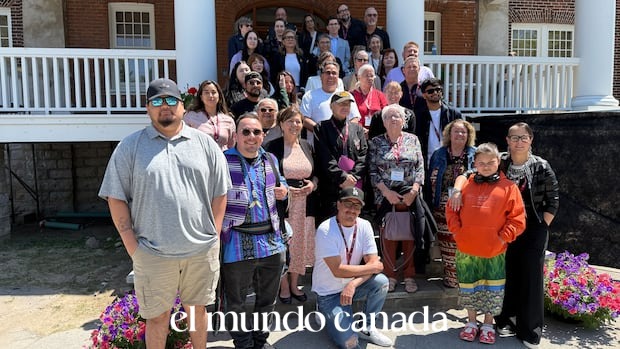
Stewards of former residential school sites across Canada are investigating whether a UNESCO World Heritage designation could help preserve these locations as permanent memorials to one of the nation’s darkest chapters. The initiative marks a significant step in the ongoing process of truth, reconciliation, and remembrance for Indigenous communities still grappling with intergenerational trauma.
Representatives from multiple residential school sites recently gathered to discuss the potential benefits and challenges of pursuing international recognition through UNESCO. This collaborative effort aims to ensure that future generations never forget the systemic abuse and cultural genocide that occurred at these institutions.
What UNESCO World Heritage Status Could Mean for Residential School Sites
A UNESCO World Heritage Site designation would place former residential schools alongside globally recognized locations of cultural and historical significance. This international recognition could provide crucial protections, funding opportunities, and increased visibility for preservation efforts.
The designation process requires demonstrating Outstanding Universal Value — meaning the site holds cultural or natural significance that transcends national boundaries. For residential school sites, this could include their role in documenting colonialism, forced assimilation, and Indigenous resilience.
Site stewards believe the designation would send a powerful message about Canada’s commitment to reconciliation. It would also create educational opportunities for visitors worldwide to learn about the residential school system’s devastating impact on Indigenous peoples.
The Gathering of Site Stewards and Indigenous Leaders
Indigenous leaders and site stewards from across Canada convened to share knowledge, experiences, and strategies for potentially pursuing UNESCO recognition. The meeting brought together representatives from various former residential school locations, each carrying unique stories and preservation challenges.
Participants discussed the importance of Indigenous-led decision-making throughout any designation process. Self-determination remains central to these conversations, ensuring that survivors, families, and communities maintain control over how their histories are told and preserved.
The gathering also addressed practical considerations, including:
- Documentation requirements for UNESCO applications
- Community consultation processes
- Long-term site management and maintenance
- Balancing preservation with the painful nature of these locations
Historical Context of Canada’s Residential School System
The Canadian residential school system operated for over a century, with the last institution closing in 1996. An estimated 150,000 Indigenous children were forcibly removed from their families and placed in these government-funded, church-run schools.
The Truth and Reconciliation Commission documented widespread physical, emotional, and sexual abuse within the system. Thousands of children died while attending these schools, many buried in unmarked graves that communities continue to locate using ground-penetrating radar technology.
Survivors and their descendants continue to advocate for justice, recognition, and healing. The residential school system’s legacy affects Indigenous communities through intergenerational trauma, language loss, and disrupted family structures.
Challenges in Pursuing UNESCO Designation
While the potential benefits are significant, pursuing UNESCO World Heritage status presents substantial challenges. The application process typically spans several years and requires extensive documentation, government support, and community consensus.
Some community members have expressed concerns about increased tourism to sites that hold profound spiritual and emotional significance. Balancing public education with respect for survivors and their families requires careful consideration.
Financial resources also present obstacles. Preparing a comprehensive UNESCO nomination demands significant investment in research, conservation assessments, and management planning. Site stewards are exploring various funding mechanisms to support this work.
Additionally, Canada must formally nominate sites through its Tentative List before they can be considered for World Heritage status. This requires federal government cooperation and prioritization among competing heritage priorities.
Global Precedents for Commemorating Difficult History
Several locations worldwide have received UNESCO recognition for their role in documenting human rights violations and historical atrocities. These precedents provide valuable models for residential school site advocates.
Auschwitz-Birkenau in Poland, designated in 1979, demonstrates how sites of immense suffering can serve educational and memorial purposes. Robben Island in South Africa, where Nelson Mandela was imprisoned, received designation in 1999 as a symbol of resistance against oppression.
These examples show that UNESCO recognizes the importance of preserving difficult histories. Such designations help ensure that lessons from the past inform present and future generations about human rights, dignity, and justice.
The Path Forward for Indigenous Communities
Moving forward, site stewards plan to continue consultations with survivors, families, and Indigenous communities. This grassroots approach ensures that any pursuit of UNESCO designation reflects the wishes and priorities of those most affected by the residential school system.
Advocates emphasize that the designation process itself — regardless of outcome — provides valuable opportunities for education, documentation, and healing. The act of compiling histories, gathering testimonies, and asserting the significance of these sites contributes to reconciliation efforts.
Indigenous leaders stress that UNESCO designation represents just one tool among many for preserving residential school histories. Community-led memorials, educational programs, and land-based healing initiatives remain equally important components of remembrance and recovery.
The exploration of UNESCO World Heritage Site designation for former residential schools represents a significant development in Canada’s ongoing reconciliation journey. While challenges exist, the potential for international recognition could provide lasting protections and educational opportunities for these historically significant locations.
As discussions continue, Indigenous communities will determine whether this path aligns with their healing and remembrance goals. Those interested in supporting reconciliation efforts can learn more through the National Centre for Truth and Reconciliation and local Indigenous organizations.
