


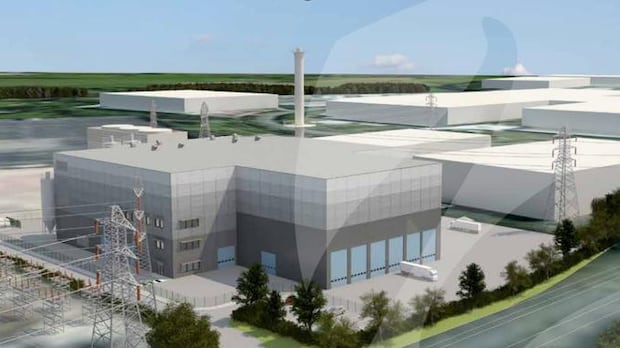
A major Edmonton clean energy project could be cancelled following recent federal policy shifts on carbon pricing. The $400 million Varme Energy facility, designed to capture waste heat from data centers and convert it into district heating for thousands of homes, now faces an uncertain future after the Canadian government announced significant changes to industrial carbon pricing.
The project’s potential cancellation highlights growing concerns among clean energy investors about policy stability in Canada’s transition to net-zero emissions.
What Is the Varme Energy Project?
Varme Energy planned to build an innovative district heating system in Edmonton that would capture excess heat generated by data centers. This waste heat would then warm water distributed through underground pipes to residential and commercial buildings.
The Norwegian-backed project represented a first-of-its-kind facility in Canada. District heating systems are common throughout Scandinavia but remain rare in North American cities.
According to company representatives, the Edmonton facility would have:
- Provided heating to approximately 25,000 homes
- Reduced natural gas consumption significantly
- Created hundreds of construction and permanent jobs
- Demonstrated scalable clean energy technology
Carbon Tax Changes Threaten Project Viability
The federal government recently announced it would eliminate the consumer carbon tax and restructure the industrial carbon pricing system known as TIER (Technology Innovation and Emissions Reduction). These changes followed political pressure and the election of Prime Minister Mark Carney.
For Varme Energy, the industrial carbon price formed a critical component of its business model. The company planned to generate carbon credits by helping buildings reduce their natural gas consumption. Those credits held substantial value under the previous pricing regime.
Without a robust carbon price, the project’s economics no longer work.
“The revenues that were projected from carbon credits were essential to making this project financially viable,” explained energy analysts familiar with the development. The company had secured significant investment based on long-term carbon pricing assumptions.
Industry Reaction and Investment Concerns
The potential cancellation of the Edmonton clean energy project has sent ripples through Canada’s cleantech investment community. Industry groups warn that sudden policy reversals undermine investor confidence in Canadian clean energy ventures.
Several key concerns have emerged:
Stranded Investments: Companies that committed capital based on existing carbon pricing frameworks now face potential losses.
International Reputation: Canada’s attractiveness as a destination for clean energy investment may suffer if policies shift unpredictably.
Provincial Complications: Alberta maintains its own industrial carbon pricing system, creating additional uncertainty about how federal changes will interact with provincial regulations.
The Clean Energy Canada organization noted that policy stability matters as much as policy ambition for attracting private investment. Companies need confidence that rules will remain consistent over project lifespans that often exceed 20 years.
Alberta’s Position on Industrial Carbon Pricing
Alberta Premier Danielle Smith has consistently opposed federal carbon pricing while maintaining the province’s own TIER system for large industrial emitters. However, recent statements suggest potential changes to provincial policies as well.
The provincial government faces a delicate balance. Alberta’s oil and gas industry generates substantial TIER compliance payments that fund clean technology innovation. Dismantling the system entirely could eliminate funding for emissions reduction projects across the energy sector.
Energy economists point out that industrial carbon pricing differs fundamentally from consumer carbon taxes. Large emitters face different incentive structures, and pricing mechanisms can drive significant investment in emissions reduction technology.
For projects like Varme Energy, provincial policy clarity matters as much as federal direction. The company needs assurance from both levels of government before proceeding with construction.
What This Means for Canada’s Clean Energy Future
The Varme Energy situation illustrates broader challenges facing Canada’s clean energy transition. Achieving net-zero emissions by 2050 requires massive private investment in new technologies and infrastructure. That investment depends on predictable policy frameworks.
Several factors will determine whether projects like Varme move forward:
Policy Certainty: Investors need confidence that carbon pricing or equivalent incentive structures will persist throughout project lifetimes.
Alternative Revenue Streams: Some projects may find viability through other mechanisms, including direct government funding, utility partnerships, or green premium pricing.
Provincial Leadership: With federal policy in flux, provinces may need to provide stronger investment signals independently.
Clean energy advocates argue that cancelling innovative projects sets back Canada’s climate goals significantly. Each abandoned development represents lost learning opportunities and delayed emissions reductions.
Next Steps for Varme Energy
Varme Energy has not issued a final decision on the Edmonton project. Company leadership reportedly continues discussions with government officials and potential partners about alternative paths forward.
Options under consideration may include:
- Seeking direct provincial or municipal support
- Restructuring the project with different revenue assumptions
- Waiting for policy clarity before making final investment decisions
- Exploring partnerships with utilities or building developers
The company’s Norwegian parent organization has successfully deployed similar district heating systems across Europe. Those projects benefit from stable, long-term policy frameworks that incentivize waste heat recovery.
Edmonton city officials have expressed support for the project and its potential benefits for residents. Municipal involvement could provide an additional pathway if senior government policies remain unfavorable.
Conclusion
The potential cancellation of the $400 million Edmonton clean energy project demonstrates how quickly policy changes can affect major infrastructure investments. As Canada navigates its energy transition, maintaining investor confidence requires balancing political pressures with long-term climate commitments.
Whether Varme Energy proceeds or joins a growing list of abandoned clean energy ventures depends on decisions made in the coming months. Stakeholders across the energy sector will watch closely as governments clarify their positions on carbon pricing and clean technology support.
