


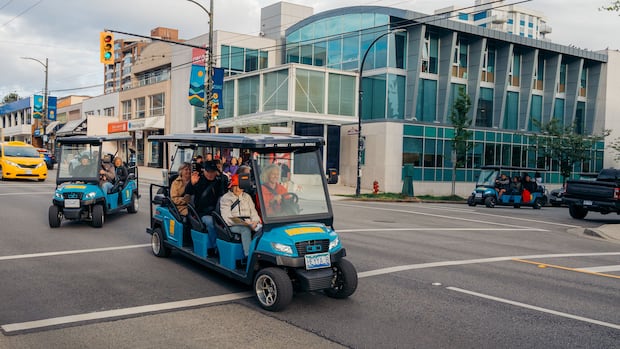
A quiet revolution is rolling through neighborhoods across North America, and it looks nothing like a Tesla. Electric golf carts are increasingly appearing on public streets, offering drivers an affordable, practical entry point into the world of electric vehicles. These compact machines, officially classified as low-speed vehicles (LSVs), are carving out a niche for budget-conscious consumers seeking sustainable transportation alternatives.
As traditional EV prices remain out of reach for many households, street-legal electric golf carts present a compelling solution for short-distance travel. With prices starting well below conventional electric cars, these vehicles are transforming how communities think about local transportation.
What Are Low-Speed Electric Vehicles?
Low-speed vehicles (LSVs) occupy a unique category in the automotive landscape. Unlike standard golf carts confined to courses and private property, street-legal versions meet specific safety requirements that allow them to operate on public roads with posted speed limits of 35 mph or less.
These vehicles typically feature headlights, turn signals, mirrors, seat belts, and other safety equipment mandated by transportation authorities. Most LSVs reach maximum speeds between 20 and 25 mph, making them ideal for neighborhood errands, beach communities, and retirement developments.
The distinction between a recreational golf cart and a street-legal LSV matters significantly. Buyers must understand their local regulations before assuming any electric golf cart can legally travel on public roads.
The Growing Appeal of Street-Legal Golf Carts
Affordability Drives Adoption
The most compelling argument for electric golf carts remains their price point. While the average new electric car costs over $50,000, a quality street-legal LSV typically ranges from $10,000 to $20,000. This dramatic difference makes electric transportation accessible to demographics previously priced out of the EV market.
Maintenance costs further sweeten the deal. Electric golf carts contain fewer moving parts than traditional vehicles, translating to reduced repair expenses over time. Battery replacement represents the primary long-term cost, but modern lithium-ion batteries offer impressive longevity.
Environmental Benefits Without Compromise
For environmentally conscious consumers, electric golf carts deliver genuine zero-emission transportation. These vehicles produce no tailpipe emissions and consume significantly less energy than full-size EVs.
The smaller battery packs also mean reduced manufacturing footprints and easier recycling processes. Communities committed to sustainability goals increasingly recognize LSVs as practical tools for reducing local carbon emissions.
Where Electric Golf Carts Make Sense
Ideal Use Cases
Electric golf carts thrive in specific environments where their limitations become advantages. Planned communities, beach towns, and resort areas represent natural habitats for these vehicles. Residents can complete grocery runs, visit neighbors, or access local amenities without firing up a conventional car.
Retirement communities have long embraced golf cart culture, but younger demographics now show increasing interest. College campuses, gated neighborhoods, and urban areas with robust 25-mph zones see growing LSV adoption.
Geographic Considerations
Climate plays a role in electric golf cart practicality. Mild weather regions like Florida, Arizona, and Southern California offer year-round usability. However, manufacturers increasingly offer weather enclosures and heating options for buyers in less temperate zones.
Infrastructure also matters. Communities with connected low-speed road networks provide more utility than areas requiring highway travel between destinations.
Regulatory Landscape and Safety Concerns
Understanding Local Laws
Regulations governing street-legal electric golf carts vary significantly by jurisdiction. Some states welcome LSVs on any road with appropriate speed limits, while others impose additional restrictions or require special permits.
Prospective buyers should research their specific state and municipal codes before purchasing. Registration requirements, insurance mandates, and driver licensing rules differ across regions. The National Highway Traffic Safety Administration sets federal standards, but states retain considerable regulatory authority.
Safety Realities
Critics rightfully point out that electric golf carts offer minimal crash protection compared to conventional vehicles. The open designs and lightweight construction that make LSVs efficient also make them vulnerable in collisions.
Responsible use means understanding these limitations. Operators should avoid roads where faster vehicles dominate traffic patterns and remain vigilant at intersections. Proper safety equipment and defensive driving practices help mitigate risks.
The Market Responds to Demand
Major Players and New Entrants
The street-legal LSV market has attracted both established manufacturers and ambitious startups. Traditional golf cart companies now dedicate significant resources to road-ready models featuring enhanced comfort and technology packages.
Meanwhile, new brands target lifestyle-conscious consumers with sleek designs and premium features. Touchscreen displays, Bluetooth connectivity, and custom aesthetics appeal to buyers seeking more than basic transportation.
Technology Improvements
Battery technology advances continue benefiting the LSV segment. Modern lithium-ion packs offer ranges exceeding 50 miles on single charges, sufficient for most local transportation needs. Charging times have decreased while battery lifespans have extended.
Some manufacturers now offer solar panel options that supplement charging through renewable energy capture.
What the Future Holds
The electric golf cart phenomenon reflects broader shifts in transportation thinking. As communities grapple with congestion, pollution, and climate concerns, right-sized vehicles for specific purposes gain appeal.
Urban planners increasingly design neighborhoods accommodating low-speed vehicle traffic. Dedicated lanes and parking areas signal growing institutional acceptance of LSVs as legitimate transportation options.
For consumers, electric golf carts represent more than novelty purchases. They offer practical, affordable, environmentally responsible solutions for everyday local travel needs.
Electric golf carts have evolved far beyond their recreational origins to become genuine transportation alternatives. Their affordability, environmental benefits, and suitability for local travel make them attractive options for the right buyers. While not replacements for conventional vehicles, street-legal LSVs fill an important gap in the electric transportation ecosystem. Anyone considering this option should research local regulations, honestly assess their travel needs, and test drive several models before committing.
